Common Reasons Car Batteries Die Overnight
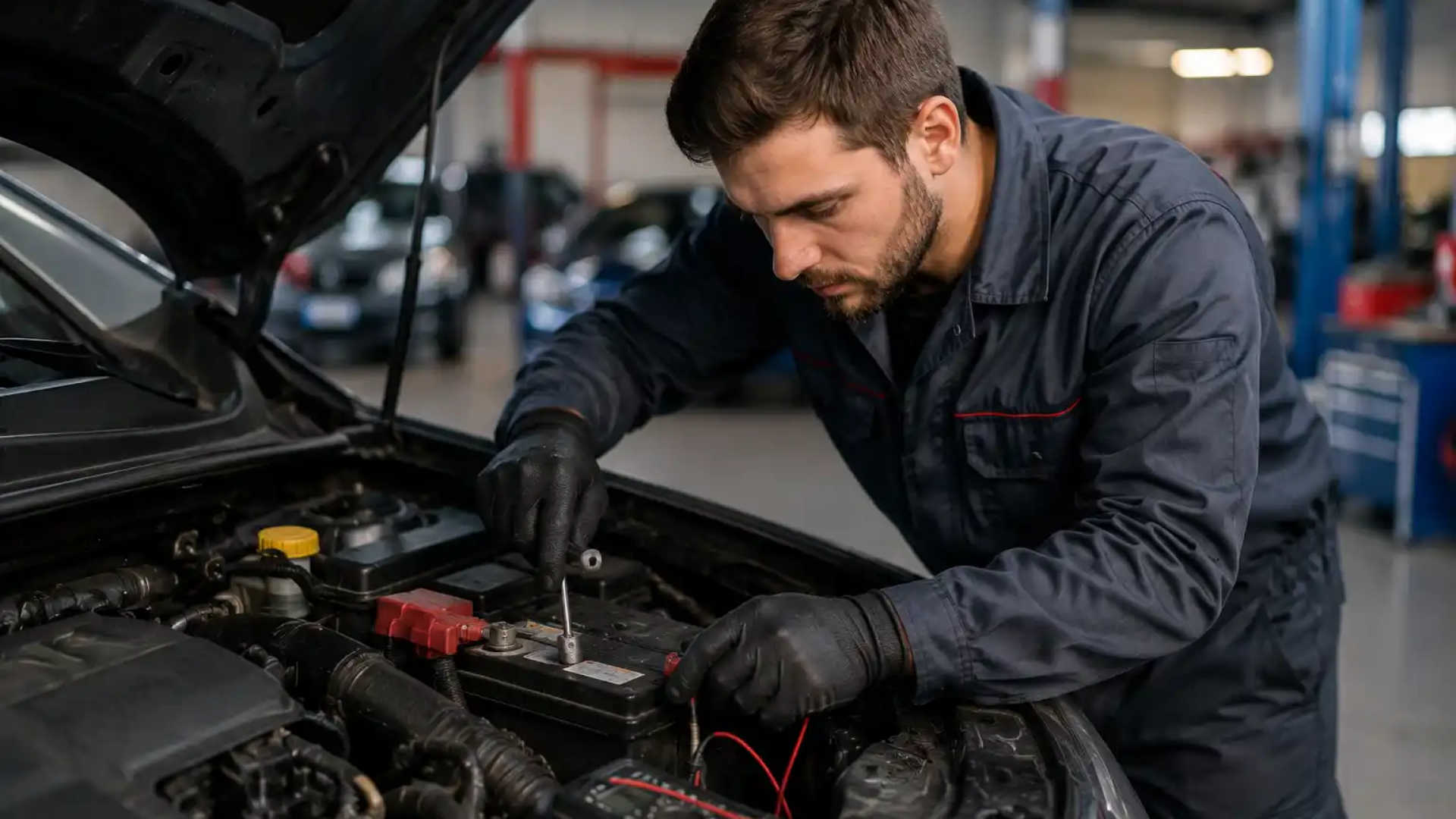
There are few things more frustrating than turning the key or pressing the start button only to discover your vehicle won't start. A dead battery can happen without warning, even if your car seemed to be running perfectly the day before. If you've ever wondered why your car battery dies overnight, you're not alone. This is one of the most common reasons drivers call for roadside assistance, especially when they're trying to get to work, school, or an important appointment.
While some battery failures are simply the result of age, many overnight battery drains are caused by preventable issues. Identifying the reason behind a dead battery can help you avoid repeated breakdowns, reduce unnecessary stress, and know when it's time to seek professional assistance.
In this guide, we'll explain the most common reasons a car battery dies overnight, how to recognize the warning signs, and what steps you can take to prevent future battery problems. We'll also discuss when roadside assistance or a professional jump start may be the safest and most practical solution.
Quick Answer
A car battery can die overnight because of a weak or aging battery, lights left on, a parasitic electrical drain, charging system problems, extreme temperatures, or corroded battery connections. Identifying the cause early can help prevent unexpected breakdowns and reduce the need for emergency roadside assistance.
Key Takeaways
An old or failing battery is one of the most common causes of overnight battery failure.
Interior lights, headlights, or accessories left on can drain a battery while the vehicle is parked.
Electrical components that continue drawing power after the vehicle is turned off may create a parasitic drain.
A faulty alternator may prevent the battery from fully recharging while driving.
Corrosion on battery terminals can interfere with proper electrical flow.
Hot and cold weather can both shorten battery life and affect performance.
Regular battery inspections can help identify problems before they leave you stranded.
Professional roadside assistance can provide a jump start or towing if the battery cannot be safely restored.
Why Does a Car Battery Die Overnight?
A vehicle battery stores the electrical energy needed to start the engine and power essential electrical systems before the alternator takes over. When the battery loses its charge faster than it can recover, your vehicle may not have enough power to start the next time you use it.
Sometimes the cause is obvious, such as leaving your headlights on. In other cases, the problem may involve the vehicle's electrical system and require professional diagnosis from a trusted towing and roadside service provider.
Understanding the possible causes is the first step toward preventing unexpected vehicle breakdowns.
An Aging or Worn Out Battery
Every car battery has a limited lifespan. Over time, the internal components naturally wear down, reducing the battery's ability to hold a charge.
As batteries age, they become more vulnerable to temperature changes, repeated short trips, and increased electrical demands. Eventually, even a fully charged battery may no longer provide enough power to start the engine.
Common Signs Your Battery May Be Failing
Slow engine cranking
Dim headlights before starting
Dashboard battery warning light
Needing frequent jump starts
Battery struggles after sitting overnight
If your battery has reached the end of its service life, replacing it may be more reliable than repeatedly jump starting the vehicle.
Lights or Accessories Left On
One of the simplest and most common reasons a battery dies overnight is that something continues drawing power after the vehicle is parked.
Modern vehicles often turn off interior lights automatically, but not every vehicle does. Even a small electrical load left running for several hours can significantly reduce battery charge.
Items That May Drain Your Battery
Check Before Leaving Your Vehicle:
Headlights
Interior dome lights
Trunk or cargo lights
Glove compartment lights
Phone chargers
Dash cameras without parking mode management
Portable electronics plugged into power outlets
Developing a quick habit of checking your lights and accessories before locking your vehicle can help prevent unnecessary battery drain.
Parasitic Battery Drain
A parasitic drain occurs when an electrical component continues using power after the vehicle has been turned off. While modern vehicles normally draw a very small amount of power to maintain clocks, security systems, and onboard computers, excessive electrical draw can discharge the battery overnight.
This type of problem is often difficult to identify without proper testing because the battery itself may not be the actual problem.
Common Sources of Parasitic Drain
Faulty relays
Electrical modules that fail to shut down
Aftermarket electronics
Alarm systems with electrical faults
Damaged wiring
If your battery repeatedly dies after sitting overnight despite being relatively new, a parasitic drain may be the underlying cause.
A Charging System Problem
Many people assume that a dead battery automatically means the battery itself has failed. However, the charging system plays an equally important role.
The alternator recharges the battery while the engine is running. If it is not working properly, the battery may slowly lose charge every time you drive until it eventually cannot start the vehicle.
Signs of a Charging System Issue
Battery warning light remains on
Dim headlights while driving
Electrical accessories behave unpredictably
Battery repeatedly dies after being jump started
Vehicle stalls shortly after starting
If the battery loses power again soon after receiving a jump start, the charging system may need professional inspection.
Corroded or Loose Battery Connections
Battery terminals must provide a clean, secure connection to allow electricity to flow properly.
Corrosion can develop over time and create resistance between the battery and the vehicle's electrical system. Loose connections can create similar symptoms, making it difficult for the battery to deliver enough power during startup.
Warning Signs
Inspect for These Problems:
White, blue, or green buildup around terminals
Loose battery cables
Visible corrosion
Difficulty starting despite a charged battery
Keeping battery terminals clean and properly secured through routine vehicle maintenance can improve electrical performance and reduce unexpected starting issues.
Extreme Weather Can Affect Battery Performance
Weather conditions play a significant role in battery health.
Cold temperatures reduce a battery's ability to produce electrical power, making it harder to start the engine. At the same time, hot weather can accelerate internal battery wear and shorten overall battery life.
Vehicles parked outside for extended periods may be especially vulnerable during seasonal temperature extremes.
If your battery is already weakened, extreme weather conditions may be enough to cause it to fail overnight.
What Should You Do If Your Battery Dies Overnight?
Finding your vehicle with a dead battery can be stressful, especially if you're away from home or have somewhere important to be.
Start by checking for obvious causes, such as lights left on or loose battery cables. If you have jumper cables and know how to safely use them, a jump start may get your vehicle running temporarily.
However, if the battery continues dying, the vehicle won't hold a charge, or you're unsure of the underlying cause, professional roadside assistance can help determine the safest next step.
Depending on the situation, roadside services may include:
Towing if the battery or charging system requires repair
Flat tire assistance if multiple issues are involved
Vehicle lockout assistance if keys are accidentally left inside
Fuel delivery if another roadside problem occurs during your trip
Knowing when to request professional assistance can help reduce delays and improve safety, especially if your vehicle becomes disabled in a busy or unfamiliar area.