

Standard Safety Steps to Take Immediately Following a Low-Speed Collision
Introduction
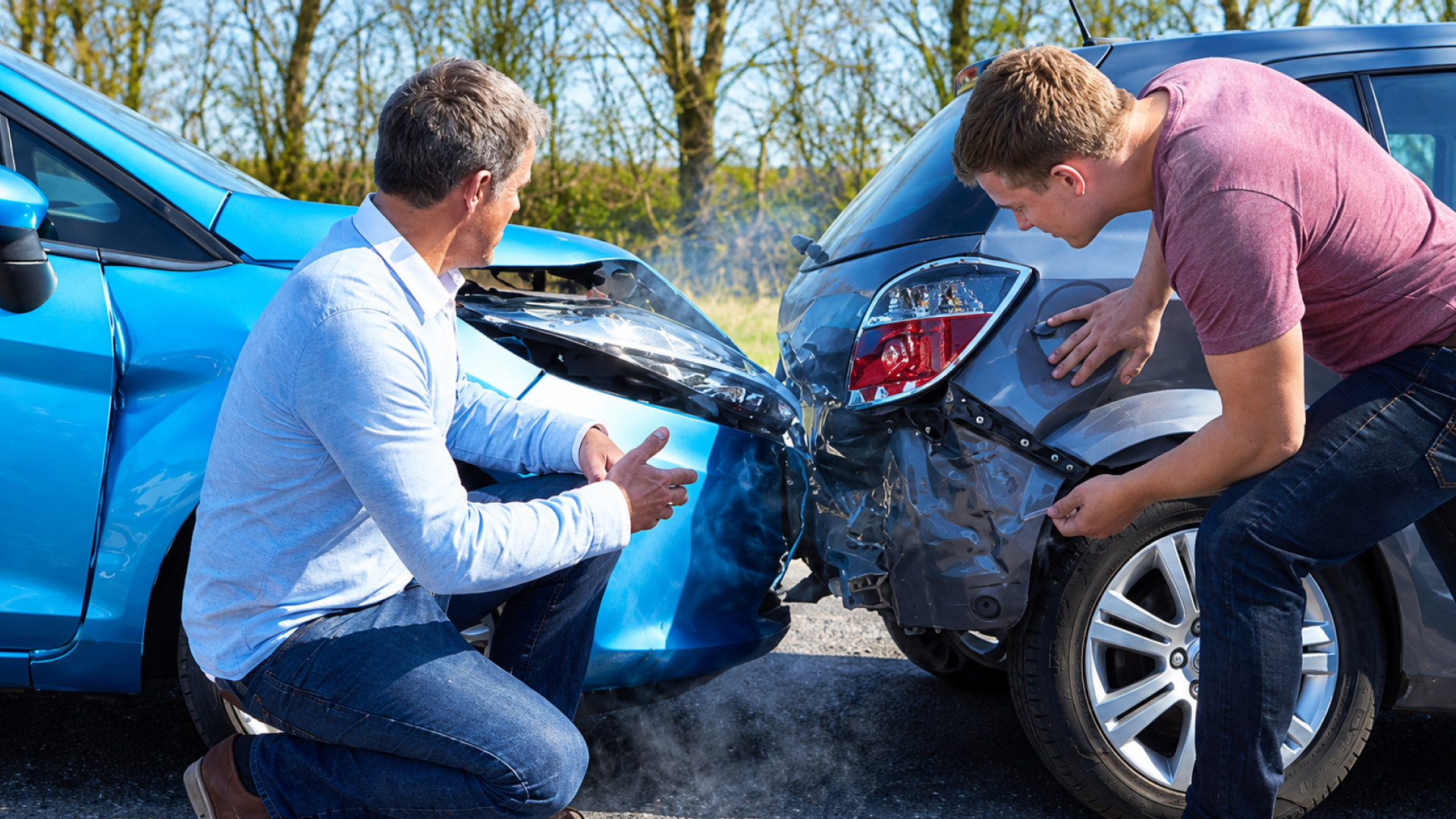
A low-speed collision can happen in a parking lot, at a traffic light, while backing out of a driveway, or in stop-and-go traffic. The impact may seem minor, and the vehicles might show little more than a dent or scratched bumper. Even so, a collision at a relatively low speed can create safety risks, hidden vehicle damage, and insurance complications if the people involved do not handle the situation carefully.
The first few minutes after an accident are especially important. Drivers may feel shaken, traffic may be moving around them, and it can be difficult to determine whether a vehicle is safe to drive. Damage that is not immediately visible, including problems with steering, tires, sensors, or the cooling system, may become apparent only after the initial impact.
Knowing the standard safety steps to take immediately following a low-speed collision helps protect everyone involved. It also makes it easier to document the incident, exchange information, contact the appropriate authorities, and arrange towing or roadside assistance if a vehicle cannot be driven safely.
For drivers in Marrero, Harvey, Gretna, Westwego, and surrounding Louisiana communities, the priority should always be personal safety rather than getting back on the road as quickly as possible. A calm, methodical response can reduce the chance of a second collision and help prevent a minor accident from becoming a more serious problem.
1. Check for Injuries and Immediate Dangers
The first step after any collision is to assess whether anyone needs urgent medical attention. Do not assume that everyone is unharmed simply because the impact felt mild.
Check yourself and your passengers
Take a moment to assess your condition before moving around. Ask passengers whether they feel pain, dizziness, confusion, numbness, or other unusual symptoms. If someone is unconscious, having difficulty breathing, experiencing severe pain, or showing signs of a serious injury, call 911 immediately.
Some injuries, including whiplash and other soft-tissue injuries, may not become noticeable until hours after an accident. Avoid dismissing discomfort just because you feel relatively normal at first.
Do not move an injured person unless there is an immediate danger, such as fire or exposure to moving traffic, or emergency professionals instruct you to do so. Moving someone with a possible neck or spinal injury could make the injury worse.
Identify hazards around the vehicles
Look for hazards that could put you or other road users at risk, including:
Vehicles approaching at speed.
Smoke, flames, or a strong fuel smell.
Leaking fluids beneath a vehicle.
Broken glass, loose body panels, or debris in the roadway.
Damaged electrical components or exposed wiring.
If you notice fire, smoke, a suspected fuel leak, or another immediate threat, move away from the vehicles when it is safe to do so and call 911. Do not attempt repairs or investigate a potentially dangerous leak yourself.
When should you call 911?
Call 911 when someone is injured, a vehicle creates an immediate traffic hazard, a suspected fire or fuel leak is present, or the situation otherwise requires an urgent emergency response. Follow the dispatcher's instructions and provide your location as accurately as possible.
Not every minor collision requires an ambulance, but uncertainty about a serious injury or immediate danger should never be ignored.
2. Move to a Safe Location if Possible
Once you have checked for injuries and immediate hazards, determine whether the vehicles can be moved safely. The right decision depends on traffic conditions, the location of the collision, and the condition of each vehicle.
When moving a vehicle is appropriate
If the collision occurred in a travel lane and the vehicle remains controllable, moving it to a nearby shoulder, parking lot, or other safe area may reduce the risk of another crash. Do this only when the vehicle can be operated safely and moving it will not worsen the situation.
Before moving, check for obvious signs of damage that could affect control, such as a damaged wheel, a flat tire, leaking fluid, or a steering problem. If the vehicle pulls sharply, makes unusual grinding noises, or has difficulty braking, do not attempt to drive it to safety. Call for appropriate emergency towing instead.
When you should leave the vehicle where it is
A vehicle should not be driven simply because it still starts or appears functional. Avoid moving it if the collision has affected the wheels, steering, brakes, suspension, or other safety-critical systems.
If the vehicle is stopped in a dangerous location and cannot be moved safely, prioritize getting yourself and your passengers out of immediate danger when possible. Stay behind a protective barrier or well away from traffic if conditions permit. Never stand between damaged vehicles or directly in the path of approaching traffic.
Turn on your hazard lights
Hazard lights can alert approaching drivers that your vehicle is stopped or moving unusually slowly. Use them when appropriate, particularly if your vehicle is obstructing traffic or has become disabled.
Do not place yourself in danger to set out warning devices. Visibility, traffic speed, road design, and weather conditions all affect what you can safely do.
3. Contact the Police When Necessary
After a low-speed collision, drivers sometimes assume that contacting the police is unnecessary because the damage appears insignificant. The appropriate response depends on the circumstances, the presence of injuries, and applicable state requirements.
Understand Louisiana accident-reporting requirements
Louisiana law includes requirements for reporting certain motor vehicle crashes. Drivers should follow applicable reporting rules and contact law enforcement when the circumstances require it, particularly when injuries, suspected criminal activity, impaired driving, or a dangerous roadway situation is involved.
If you are unsure whether an officer needs to respond, contact the appropriate local law enforcement agency for guidance. On a highway or in an immediate emergency, call 911. For a non-emergency incident, use the relevant local agency's non-emergency number.
Do not rely solely on the other driver's assurance that no report is necessary. Record the incident details and follow the instructions provided by authorities.
Cooperate and provide accurate information
When an officer arrives, explain what happened as clearly and factually as possible. Provide your driver's license, vehicle registration, proof of insurance, and other requested information.
Avoid guessing about vehicle speeds, distances, or the precise sequence of events if you are uncertain. It is better to explain what you observed than to present an assumption as a fact.
If an officer provides an incident or report number, keep it with your accident records. It may be useful when communicating with your insurance company.
4. Exchange Information With the Other Driver
Once everyone is safe and the immediate situation is under control, exchange information with the other driver. This step is important even when both vehicles appear to have only minor cosmetic damage.
What information should you collect?
Gather the following details when it is safe to do so:
Full names and contact information for the drivers involved.
Driver's license information, as appropriate.
Vehicle make, model, color, and license plate number.
Insurance company and policy information.
Vehicle owner's information if the owner is not the driver.
Contact information for witnesses who are willing to provide it.
The responding officer's name and report number, if available.
Check the information for obvious errors before leaving the scene. A missing digit in a phone number or an incorrect insurance detail can make follow-up more difficult.
Keep the conversation calm and factual
A low-speed collision can create frustration, especially when the drivers disagree about what happened. Keep the discussion focused on exchanging information and ensuring everyone's safety.
Avoid arguing, threatening the other driver, or making assumptions about fault. Do not promise to pay for all damage or make a definitive statement about legal responsibility at the scene. Let the insurance companies and appropriate authorities evaluate the available evidence.
If the other driver becomes aggressive, do not escalate the confrontation. Move to a safer location if possible and contact law enforcement when necessary.
5. Document the Collision Before Leaving
Photographs and written notes can help preserve details that might otherwise be forgotten. Once the scene is safe, document the collision as thoroughly as practical without entering traffic or putting yourself at risk.
Take photographs from several angles
Capture the overall scene and the condition of both vehicles. Useful photographs may include:
Close-up images of dents, scratches, cracked lights, and broken parts.
Wider images showing the position of the vehicles.
License plates and relevant vehicle identification details.
Traffic signs, lane markings, signals, and nearby intersections.
Debris, skid marks, or visible fluid leaks.
Road and weather conditions that may have contributed to the incident.
Photograph existing damage separately when you can distinguish it from damage caused by the collision. Avoid altering or staging the scene to make the incident appear different from what occurred.
Write down what you remember
Record the date, approximate time, location, direction of travel, and a brief description of the collision. Include what each vehicle was doing immediately before impact, but distinguish your direct observations from anything you are unsure about.
For example, if another vehicle struck your rear bumper while you were stopped at a traffic light, record that observation rather than speculating about the other driver's intentions.
Keep copies of photographs, insurance information, police report details, and any relevant correspondence in one place. Organized records can make the claims process easier to manage.
6. Inspect the Vehicle for Hidden Damage
A low-speed collision does not automatically mean that a vehicle is safe to drive. Bumpers and exterior panels can conceal damage to components that affect vehicle operation, occupant protection, or cooling.
Look beyond the visible bumper damage
A visual inspection can reveal warning signs, but it cannot confirm that a vehicle is mechanically sound. Pay attention to:
Tires and wheels: Look for cuts, bulges, bent rims, or tires rubbing against damaged bodywork.
Steering and suspension: Notice unusual pulling, a crooked steering wheel, or abnormal movement.
Brakes: Watch for reduced braking response, warning lights, or unusual noises.
Lights and visibility: Check whether headlights, brake lights, turn signals, mirrors, and windows are damaged.
Fluid leaks: Look for fresh puddles or dripping fluids without touching or attempting to identify hazardous substances directly.
Engine temperature: Watch for overheating warnings, steam, or unusual smells.
Safety systems: Pay attention to deployed airbags, seat belt problems, and dashboard warnings.
A damaged bumper may also affect parking sensors, cameras, or other driver-assistance equipment. These systems may require professional inspection, repair, or calibration after an impact.
Why a vehicle can look fine but still be unsafe
Modern vehicles contain interconnected mechanical, electrical, and safety systems. An impact that leaves only a small dent may still damage a mounting point, sensor, wiring connection, or component behind an exterior panel.
For example, a driver involved in a parking-lot collision might notice only a cracked bumper cover. If the impact also damages a cooling component or causes a wheel to sit at an abnormal angle, driving away could lead to further damage or loss of control.
When the vehicle's condition is uncertain, have it inspected by a qualified professional before returning it to normal use.
7. Decide Whether to Drive or Request a Tow
One of the most important decisions after a minor accident is whether the vehicle can safely continue its journey. A short distance to home or a repair shop does not eliminate the risk of driving a damaged vehicle.
Signs that towing may be necessary
Request professional towing if you notice any of the following:
A flat, damaged, or misaligned wheel.
Steering or braking difficulties.
Significant fluid leakage, smoke, or overheating.
A deployed airbag or other major safety-system warning.
Severe damage to the front, rear, or underside of the vehicle.
A vehicle that will not start or cannot move normally.
Loose body parts that could detach while driving.
Uncertainty about whether the vehicle can be controlled safely.
If there is smoke, a possible fuel leak, or a fire hazard, move away and contact emergency services first. Towing should not take priority over immediate personal safety.
Choosing the appropriate towing method
The best towing method depends on the vehicle's condition, drivetrain, manufacturer's instructions, and the type of damage sustained.
Flatbed towing places the vehicle on a platform, keeping all four wheels off the road during transport. It can be a suitable choice for many collision-damaged vehicles, particularly when wheel, suspension, or drivetrain damage is suspected.
Wheel-lift towing raises one end of the vehicle while the other end remains on the road. It can be appropriate in certain situations, provided the vehicle's design and condition allow it. Some all-wheel-drive vehicles and vehicles with particular transmission or suspension requirements need specialized handling.
Neither method is automatically right for every accident. Tell the towing provider what happened, describe any visible damage, and mention whether the vehicle has all-wheel drive, unusual ground clearance, or other special requirements.
For drivers in Marrero, Harvey, Gretna, Westwego, and nearby Louisiana communities, professional light duty towing can help transport a collision-damaged vehicle without requiring the driver to risk driving it. A qualified operator can assess the loading situation and determine an appropriate approach based on the information available.
8. Notify Your Insurance Company
Contact your insurance company as soon as reasonably possible after the collision. Prompt reporting helps establish a record of the incident and allows the insurer to explain the next steps under your policy.
What should you tell your insurer?
Provide the basic facts, including the time and location of the collision, the vehicles involved, the visible damage, and whether anyone reported an injury. Share photographs, the other driver's insurance details, and any police report information available.
Your insurer may ask you to obtain repair estimates, arrange an inspection, or use a particular process for handling the claim. Follow the instructions in your policy and ask questions if you do not understand the coverage or required documentation.
Do not assume that minor damage means a claim is unnecessary. Hidden damage, rental transportation, towing, and other costs may affect your decision. Your insurer can explain the options available under your coverage.
Keep receipts and claim records
Save receipts for towing, vehicle storage, inspections, and other accident-related expenses. Coverage for these costs depends on your policy and the circumstances of the collision, so confirm what may be reimbursed before assuming an expense is covered.
Record your claim number and the name or contact details of the representative handling your case. Keep copies of relevant messages and estimates for reference.
9. Watch for Delayed Symptoms and Warning Signs
The absence of immediate pain or obvious mechanical problems does not always mean that everything is fine. Some physical symptoms and vehicle issues become noticeable after the initial shock of a collision has passed.
Seek medical advice if you develop new or worsening pain, headaches, dizziness, neck stiffness, or other concerning symptoms. Call 911 for severe symptoms, including difficulty breathing, loss of consciousness, confusion, or sudden weakness.
Over the following hours or days, pay attention to unusual vehicle behavior as well. New warning lights, fluid spots, vibrations, unusual noises, or changes in braking and steering should prompt a professional assessment. Stop driving if a warning sign suggests the vehicle may be unsafe.
Do not treat a collision as harmless solely because the speed was low. The impact, vehicle design, point of contact, and condition of the occupants all influence the outcome.
Conclusion
Standard safety steps following a low-speed collision begin with checking for injuries, identifying immediate hazards, and moving to a safe location only when it is appropriate. Contact emergency services when needed, follow applicable Louisiana reporting requirements, exchange information, and document the scene before leaving.
Next, assess whether the vehicle can be driven safely. Visible bumper damage does not rule out problems with steering, suspension, tires, cooling components, or electronic safety systems. If the vehicle is damaged or its condition is uncertain, professional inspection and vehicle recovery may be safer than attempting to continue driving.
For drivers in Marrero, Harvey, Gretna, Westwego, and surrounding Louisiana areas, a careful response can help protect everyone involved and make the steps that follow more manageable. Take your time, preserve the facts, and never let pressure to clear the scene or reach your destination outweigh safety.
Frequently Asked Questions
1. What should I do immediately after a low-speed car accident?
Check yourself and your passengers for injuries, identify immediate hazards, and call 911 if emergency assistance is needed. Move the vehicle only if it is safe to do so, exchange information, photograph the damage, and contact your insurer.
2. Do I need to call the police after a minor car accident in Louisiana?
It depends on the circumstances and applicable reporting requirements. Contact law enforcement when required, particularly if there are injuries, dangerous conditions, or suspected impaired driving. If you are uncertain, ask the appropriate local agency how to proceed.
3. Can a low-speed collision cause hidden vehicle damage?
Yes. Even a seemingly minor impact can damage bumper supports, cooling components, sensors, wiring, wheels, or suspension parts. A qualified inspection can identify problems that may not be visible from outside the vehicle.
4. Should I drive my car after a minor collision?
Drive only if you have good reason to believe the vehicle is safe and no damage affects its control or essential systems. If the steering, brakes, tires, lights, or safety systems are compromised, arrange professional assistance instead.
5. When should I request a tow after a low-speed accident?
Request towing if the vehicle cannot move safely, has damaged wheels or suspension, leaks fluid, overheats, or has other potentially serious damage. When its condition is uncertain, professional assessment can help you avoid further damage or an unsafe drive.
6. Is flatbed towing a good option for a collision-damaged car?
Flatbed towing can be a suitable option because all four wheels remain off the road during transport. It is often worth considering when wheel or drivetrain damage is suspected, although the appropriate method depends on the vehicle and the nature of the damage.
7. What information should I exchange after a minor collision?
Collect the drivers' names and contact details, vehicle information, license plate numbers, and insurance details. Record witness information and the police report number when available. Photograph the scene and keep copies of relevant documents.
8. Can my car have airbag or sensor damage without major exterior damage?
Yes. An impact can affect airbags, parking sensors, cameras, wiring, and other safety-related components even when exterior damage appears limited. Have suspected damage evaluated by a qualified repair professional before relying on those systems.
9. What should I do if I feel fine after an accident but develop pain later?
Seek medical advice if pain, stiffness, headaches, dizziness, or other symptoms develop after the collision. Call 911 for severe or potentially life-threatening symptoms. Do not dismiss new symptoms simply because the original impact was minor.
10. What should I tell a towing company after a collision?
Explain where the vehicle is located, what happened, and whether it has damaged wheels, leaking fluids, deployed airbags, or other visible problems. Mention the vehicle's make, model, and drivetrain if known. This information helps the provider determine the appropriate equipment and towing method.
