

Introduction
A car that will not start can turn an ordinary morning into a frustrating roadside problem. You turn the key or press the start button, but the engine refuses to run. Perhaps you hear a clicking sound, notice dim dashboard lights, or find that the electrical systems are completely unresponsive. A dead battery is one possible cause, and a professional dead battery jump start may be all your vehicle needs to get moving again.
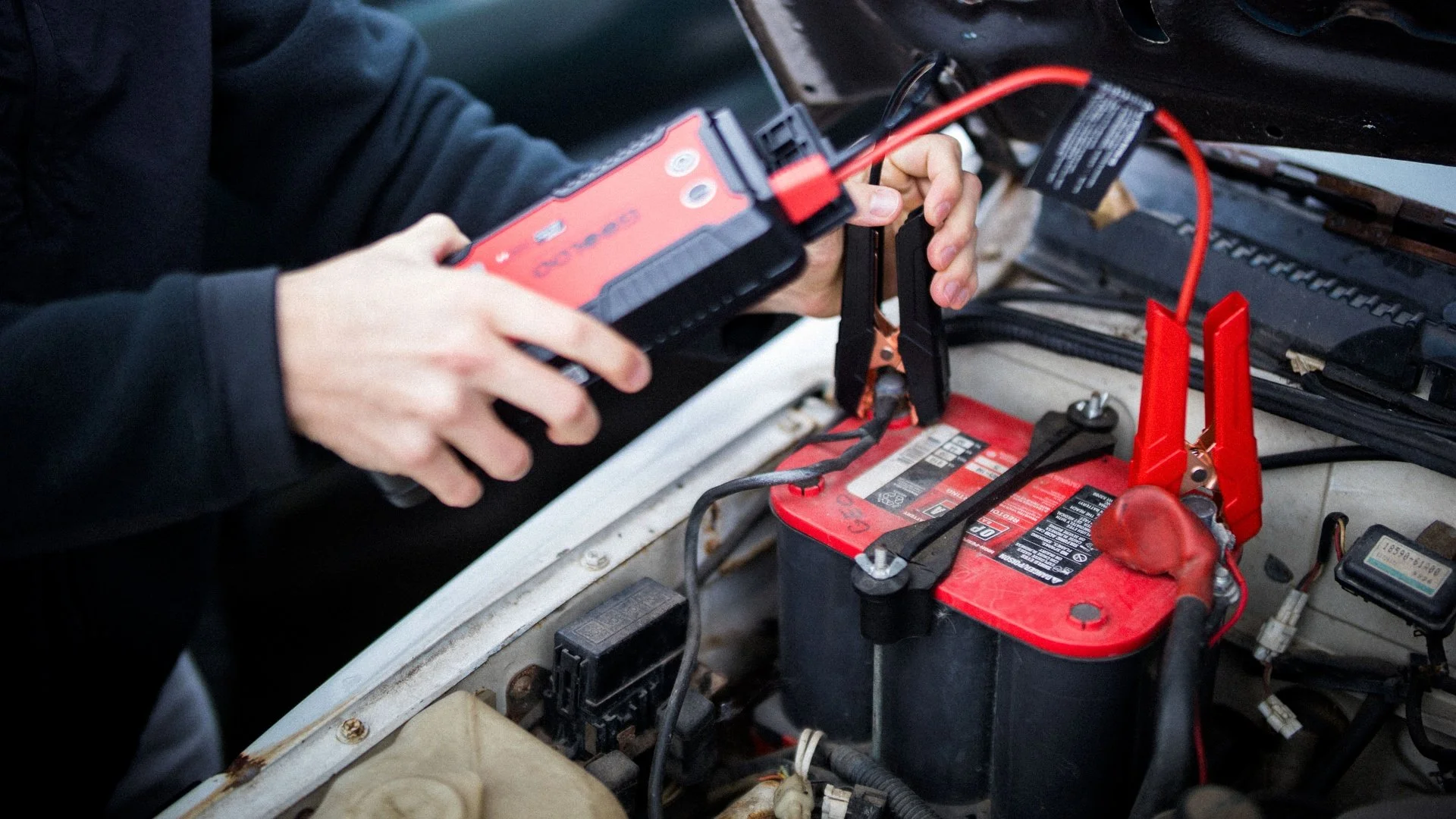
A professional dead battery jump start involves more than connecting jumper cables and starting an engine. A trained roadside assistance technician checks the situation, identifies potential battery-related problems, uses appropriate equipment, connects the power source safely, and observes how the vehicle responds. These steps help reduce the risk of electrical damage, battery-related injuries, and complications during the starting process.
For drivers in Marrero, Harvey, Gretna, Westwego, and surrounding Louisiana communities, understanding this process can make an unexpected breakdown less stressful. It also helps you recognize when a jump start is appropriate and when your vehicle needs a different type of roadside assistance.
What Is a Professional Dead Battery Jump Start?
A professional dead battery jump start is a roadside assistance service that supplies temporary electrical power to a vehicle with a discharged battery. A technician uses a suitable jump starter or another compatible power source to help the engine start, provided the battery and the vehicle's starting system can support the procedure.
A car battery supplies the electrical energy needed to operate the starter motor and power vehicle electronics. Once the engine starts, the alternator generally supplies electrical power while the engine runs and helps recharge the battery under suitable operating conditions.
A jump start can help when the battery has insufficient charge to start the engine. However, it does not automatically repair a damaged battery, a faulty alternator, a defective starter motor, or an electrical problem that caused the battery to discharge.
Why Does a Car Battery Die?
Several conditions can leave a vehicle with insufficient battery power.
Lights left on: Headlights, interior lights, or accessories can drain a battery when the engine is off.
Extended periods without driving: A parked vehicle continues to use small amounts of electrical power, and its battery may gradually lose charge.
Battery age or deterioration: An older battery may no longer hold enough charge to start the engine reliably.
Charging system problems: A malfunctioning alternator or related component may prevent the battery from receiving an adequate charge.
Loose or corroded connections: Poor electrical contact at the battery terminals can interfere with starting.
Temperature changes: Heat can accelerate battery deterioration, while cold conditions can reduce available starting power.
Electrical faults: A component that continues drawing power after the vehicle is switched off may drain the battery.
Identifying the likely cause matters because repeatedly jump-starting a vehicle without addressing the underlying problem can lead to another breakdown.
What Happens Before a Technician Starts the Jump Start?
The first stage of professional dead battery assistance is assessing the vehicle and the roadside environment. A technician needs to determine whether jump-starting is suitable and whether the procedure can be performed safely.
Step 1: Assessing the Vehicle's Location and Condition
The technician begins by considering where the vehicle is parked and whether it presents any immediate safety concerns. A car stopped in a travel lane, on a narrow shoulder, or near fast-moving traffic may require additional precautions before work can begin.
The technician may ask what happened before the vehicle stopped working. Useful details include whether the engine was running normally earlier, whether the dashboard lights are working, and whether the vehicle makes a clicking noise when you attempt to start it.
These observations provide clues, but they do not confirm that the battery is the only problem.
Step 2: Checking for Signs of Battery Damage
Before connecting a jump starter, the technician visually inspects the battery and accessible connections for warning signs.
Potential concerns include:
A cracked or leaking battery case.
A swollen or visibly damaged battery.
Corroded, loose, or damaged terminals.
Signs of overheating or unusual odors.
Evidence of incorrect previous connections.
A damaged battery should not be treated like an ordinary discharged battery. Attempting to jump-start a battery that is cracked, leaking, frozen, or otherwise unsafe can create serious hazards.
If the technician identifies a concern, they may recommend another solution, such as battery replacement or towing to a repair facility.
Step 3: Determining Whether the Battery Is the Likely Cause
A dead battery can produce symptoms similar to other mechanical or electrical failures. The technician considers the available evidence before proceeding.
For example, dim dashboard lights and rapid clicking may indicate insufficient battery power. A single click with otherwise normal electrical operation could involve the starter or its circuit. Completely unresponsive electronics may point toward a discharged battery, a poor connection, or another electrical fault.
A professional assessment helps avoid assuming that every no-start situation requires a jump start.
How Does a Professional Jump Start Work Step by Step?
Once the technician determines that jump-starting is appropriate, the process follows a controlled sequence. The exact procedure depends on the vehicle manufacturer's instructions, battery location, electrical system, and equipment being used.
Step 4: Selecting the Correct Jump-Starting Equipment
A technician chooses equipment compatible with the vehicle's electrical system. This may include a portable professional jump starter or an approved external power source.
Most conventional passenger cars use 12-volt electrical systems, but technicians must verify the correct requirements rather than assume every vehicle uses the same setup.
Modern vehicles can have sensitive electronic control modules, battery monitoring systems, and specialized battery arrangements. Some hybrid and electric vehicles also have a separate low-voltage battery that powers control systems and accessories.
A jump start involving a low-voltage battery is different from working on a high-voltage hybrid or electric vehicle system. High-voltage components should only be handled by appropriately qualified personnel following manufacturer procedures.
Step 5: Identifying the Correct Battery Terminals
The technician identifies the positive and negative connection points before attaching the equipment.
The positive terminal is usually marked with a plus sign (+), while the negative terminal is marked with a minus sign (−). Some vehicles have designated remote jump-start terminals under the hood because the battery itself may be located elsewhere.
Using the correct connection points is essential. Reversing polarity can cause electrical damage, sparks, or other hazards.
Technicians follow the manufacturer's recommended connection sequence, which may specify a designated grounding point rather than connecting the negative lead directly to the battery's negative terminal.
Step 6: Connecting the Jump Starter Safely
After confirming the connection points, the technician attaches the equipment according to its operating instructions.
They check that the clamps are secure, the leads are correctly positioned, and the cables cannot become caught in moving engine components. The equipment may also provide safeguards against reverse polarity or certain connection errors.
The technician avoids unnecessary electrical loads and follows the vehicle's recommended starting procedure.
This stage requires attention because incorrect connections can create problems even when the battery itself is simply discharged.
Step 7: Allowing the Equipment to Supply Starting Power
Depending on the equipment and the vehicle, the technician may allow a short period for the electrical system to stabilize before attempting to start the engine.
A jump starter provides the additional power needed to operate the starter motor. The precise waiting period varies, so there is no universal rule that every vehicle must be connected for a particular number of minutes.
The technician then follows the appropriate starting procedure. They may ask the driver to operate the ignition or start button while monitoring the vehicle's response.
Repeatedly cranking an engine that will not start is generally unhelpful and can place additional strain on the battery and starting system.
Step 8: Confirming Whether the Engine Starts
If the jump start works, the engine starts and the technician checks the vehicle's response.
They may observe whether the engine runs steadily, whether dashboard warning lights remain illuminated, and whether there are unusual sounds or other obvious signs of trouble.
A successful start does not prove that the battery is healthy. A deteriorated battery may accept enough temporary power to start the engine but fail again after the vehicle is switched off.
If the vehicle does not start, the technician may reassess the situation rather than continue applying power without a clear reason.
Step 9: Disconnecting the Equipment
Once the starting procedure is complete, the technician disconnects the equipment according to the manufacturer's instructions.
The order and method depend on the equipment and vehicle requirements. The cables must be handled carefully to avoid accidental contact between clamps, electrical terminals, or metal components.
After disconnecting the equipment, the technician checks that the cables and tools are clear of the engine compartment and other moving parts.
What Happens After the Car Starts?
Getting the engine running is only part of the process. The next step is deciding whether the vehicle is likely to remain operational and whether additional assistance is needed.
The Technician Checks the Vehicle's Response
The technician may observe whether the engine continues running and whether the battery or charging system displays warning signs. If suitable testing equipment is available, they may also check battery voltage or perform additional battery and charging system tests.
A basic voltage reading provides useful information, but it does not always reveal the battery's full condition. A battery can show an acceptable voltage and still fail under the load required to start an engine.
A more complete assessment may involve a battery load or conductance test and charging system testing. The appropriate checks depend on the equipment available and the symptoms observed.
Can You Drive Immediately After a Jump Start?
Sometimes, yes. If the engine runs normally, there are no concerning warning lights, and the technician finds no reason to suspect an immediate safety problem, the vehicle may be suitable to drive to a repair shop or another appropriate destination.
However, a jump start should not be treated as a guarantee that the vehicle is reliable. The battery may be too weak to restart the engine after you turn it off.
Avoid driving if the battery or charging system warning light remains illuminated, the engine runs erratically, electrical systems behave abnormally, or the technician identifies another safety concern. A charging system failure can eventually cause the vehicle to lose electrical power while driving.
When the cause remains uncertain, ask the technician whether testing or towing is the safer option.
Professional Jump Start vs. DIY Jump Start
Both professional and do-it-yourself jump starts can restore enough power to start a vehicle. The main difference is the level of assessment, equipment selection, and assistance available.
When a Professional Jump Start Makes Sense
Professional roadside assistance is particularly useful when:
You are unsure why the vehicle will not start.
You do not have suitable jumper cables or a compatible jump starter.
Your vehicle has a complicated battery location or specialized starting procedure.
You are stopped in an unfamiliar or potentially hazardous location.
Previous jump-start attempts have failed.
You suspect a battery, starter, or charging system problem.
A professional can assess the circumstances, use appropriate equipment, and help determine whether the vehicle needs further diagnosis.
What Are the Risks of Jump-Starting a Car Yourself?
Incorrect jump-starting can cause electrical damage, sparks, burns, or battery-related injuries. Lead-acid batteries can release flammable hydrogen gas under certain conditions, and a short circuit can produce dangerous heat.
Common mistakes include reversing the positive and negative connections, using an unsuitable power source, ignoring visible battery damage, and connecting cables to the wrong terminals.
Before attempting a DIY jump start, consult the vehicle owner's manual. If the battery is damaged, the connection points are unclear, or the procedure is unfamiliar, request professional assistance instead.
Neither a professional nor a DIY jump start should proceed when the battery or surrounding conditions make the procedure unsafe.
How Long Does a Professional Dead Battery Jump Start Take?
The actual connection and starting procedure can be relatively brief when the battery is simply discharged and the vehicle is accessible. However, the total roadside service time varies.
Factors affecting the duration include:
The technician's travel time to the vehicle.
Traffic and road conditions.
The location and accessibility of the battery.
The type of vehicle and starting system.
Whether corrosion or damaged terminals are present.
Whether additional testing is necessary.
Whether the initial starting attempt succeeds.
A vehicle with an easily accessible, discharged battery may require less work than one with an inaccessible battery or a suspected charging system fault.
Drivers should distinguish between the time needed to perform a jump start and the time needed for roadside assistance to arrive. Neither should be assumed to follow a guaranteed schedule.
Why Does a Car Battery Keep Dying After a Jump Start?
If your car needs repeated jump starts, the underlying cause probably requires further investigation. A jump start restores temporary starting power but does not correct every condition that can discharge a battery.
An Old or Weak Battery
A battery loses capacity as it ages and deteriorates. If it cannot hold sufficient charge, it may start the vehicle after a jump but fail again later.
A battery test can help determine whether replacement is appropriate.
A Faulty Alternator or Charging System
The alternator generally supplies electricity while the engine runs and helps replenish the battery. If the alternator or related charging components malfunction, the battery may not receive adequate charging power.
Repeated jump starts will not resolve this fault.
Parasitic Battery Drain
Some vehicle systems continue using electricity when the ignition is off. That is normal within limits, but a faulty module, light, accessory, or wiring issue can draw excessive current while the car is parked.
A technician or automotive repair professional may need to perform a parasitic draw test to identify the source.
Loose or Corroded Battery Connections
Corrosion, damaged cables, or loose terminals can interfere with the flow of electrical current. Even a charged battery may struggle to start the engine if the connections are poor.
Cleaning, tightening, or replacing components should be performed using the correct safety procedures.
A Starter Motor or Electrical Fault
If the battery has adequate power but the starter does not operate correctly, the issue may involve the starter motor, solenoid, wiring, or another component.
In such cases, additional diagnosis is more useful than repeated jump-start attempts.
How Can You Prevent Another Dead Battery?
A few practical habits can reduce the likelihood of an unexpected battery-related breakdown.
Check the Battery Regularly
Have the battery tested according to its age, condition, and manufacturer recommendations. Pay attention to slow cranking, recurring electrical problems, or other changes in starting behavior.
If the battery is older or has previously failed, testing before a long trip can help identify a problem before you become stranded.
Turn Off Unnecessary Electrical Accessories
Before leaving your vehicle, confirm that headlights, interior lights, and accessories are switched off as appropriate. Modern vehicles manage many electrical functions automatically, but a faulty light or accessory can still drain the battery.
Drive the Vehicle Periodically
Long periods without driving can allow the battery to lose charge. If a vehicle is stored for an extended time, follow the manufacturer's recommendations for battery maintenance or use a compatible maintenance charger where appropriate.
Short trips may not provide enough charging time to replace the energy used during starting, especially when the battery is already weak.
Investigate Warning Signs Early
Slow engine cranking, repeated jump-start needs, dim lights, and battery or charging warnings deserve attention.
Addressing these symptoms early may prevent a roadside failure and help identify whether the battery, charging system, or another component needs service.
What Should You Do If Your Car Battery Dies on the Roadside in Louisiana?
A dead battery can happen in a parking lot, at home, on a residential street, or beside a busy road. Your first priority should be personal safety rather than immediately attempting to restart the vehicle.
If you are stranded in Marrero, Harvey, Gretna, Westwego, or a nearby community, follow these practical steps.
Choose safety first. If possible, move the vehicle out of traffic. If it cannot move, turn on the hazard lights when they work and remain aware of nearby traffic.
Assess your surroundings. Avoid standing in a travel lane or between vehicles. On a busy roadway, stay in a safe location away from traffic when conditions permit.
Avoid unsafe jump-start attempts. Do not connect cables to a visibly damaged battery or guess which terminals to use.
Explain the symptoms. Tell the roadside assistance provider whether the vehicle clicks, cranks slowly, has dim lights, or shows no electrical response.
Share the exact location. Provide the street, nearby landmark, parking area, or direction of travel, along with the vehicle's make and model.
Follow the technician's guidance. The technician can assess whether a jump start is appropriate or whether towing is needed.
A&Z Towing LLC provides 24/7 towing and roadside assistance in Marrero, Harvey, Gretna, Westwego, and surrounding Louisiana areas. Depending on the circumstances, roadside assistance may help drivers dealing with a dead battery, while towing may be the more appropriate option when the vehicle cannot be safely restarted.
The best solution depends on the vehicle's condition, the location, and the reason it stopped working.
When Is Towing Better Than a Jump Start?
A jump start is not the right answer to every no-start problem. Towing may be necessary when the battery is damaged, the vehicle has a serious electrical fault, the engine still will not start after an appropriate attempt, or the car is unsafe to operate.
Towing is also worth considering if the charging system warning light remains on, the engine repeatedly stalls, or the technician suspects a mechanical problem.
A professional can help assess the available options. If the vehicle needs further diagnosis, arranging transport to a qualified repair facility may prevent repeated roadside attempts and reduce the risk of additional damage.
Conclusion
A professional dead battery jump start involves assessment, correct equipment selection, safe electrical connections, a controlled starting attempt, and checks to determine whether the vehicle can continue operating. Although the procedure may be straightforward when a battery is merely discharged, the underlying cause of the problem is not always obvious.
Drivers should remember that a successful jump start does not automatically mean the battery is healthy or that the charging system is working properly. Repeated starting problems, warning lights, damaged battery terminals, and unusual electrical behavior warrant further attention.
If your vehicle will not start in Marrero, Harvey, Gretna, Westwego, or the surrounding Louisiana area, prioritize safety and seek appropriate roadside assistance. A&Z Towing LLC offers 24/7 towing and roadside support to help drivers determine the next practical step when a breakdown interrupts their plans.
Frequently Asked Questions
1. What happens during a professional dead battery jump start?
A technician assesses the vehicle, checks for visible battery damage, selects compatible equipment, connects the power source according to manufacturer instructions, and attempts to start the engine. They may then check the vehicle's response and recommend further testing if needed.
2. How long does it take to jump-start a dead car battery?
The starting procedure may take only a short time when the battery is accessible and the problem is straightforward. Total service time depends on the vehicle, battery condition, technician travel time, roadside conditions, and whether additional diagnosis is necessary.
3. Can a completely dead car battery be jump-started?
Sometimes. A discharged battery may accept enough external power to start the engine, but a damaged or deteriorated battery may not respond. If the battery is cracked, leaking, swollen, or frozen, do not attempt a jump start.
4. Does a jump start fix a bad car battery?
No. A jump start supplies temporary power to help start the vehicle. It does not repair a battery that can no longer hold a charge. Battery testing can help determine whether the battery needs replacement or whether another electrical problem is responsible.
5. Should I leave my car running after a jump start?
If the engine starts and the vehicle is safe to operate, continued running may allow the charging system to replenish some battery charge. However, idling alone may not fully recharge a depleted battery. Follow the technician's advice and arrange testing if the battery repeatedly loses charge.
6. Why does my car click but not start?
Rapid clicking can indicate insufficient battery power, a poor battery connection, or another electrical problem. A single click can also be associated with a faulty starter or starting circuit. A proper assessment is needed to identify the cause.
7. Is it safe to jump-start a car in the rain?
Rain does not automatically make every jump start impossible, but wet, flooded, or otherwise hazardous conditions can complicate roadside work. Never handle damaged electrical equipment or attempt a jump start in standing floodwater. Follow the vehicle and equipment manufacturers' safety instructions and request professional help if conditions are unsafe.
8. Can a jump start damage my car's electronics?
Yes, an incorrect procedure can damage vehicle electronics. Reversed polarity, improper connections, or unsuitable equipment can create electrical problems. Following the manufacturer's jump-start instructions and using compatible equipment helps reduce these risks.
9. What if my car still will not start after a jump start?
The problem may involve a failed battery, starter motor, charging system, poor electrical connections, or another mechanical or electrical fault. Avoid repeated attempts without reassessing the situation. A technician may recommend further testing or towing to a repair facility.
10. When should I request roadside assistance for a dead battery?
Request roadside assistance if you lack suitable equipment, cannot identify the correct terminals, suspect battery damage, are stranded in an unsafe location, or have already tried an appropriate starting procedure without success. Professional help can assess whether a jump start or towing is the safer option.
