Introduction
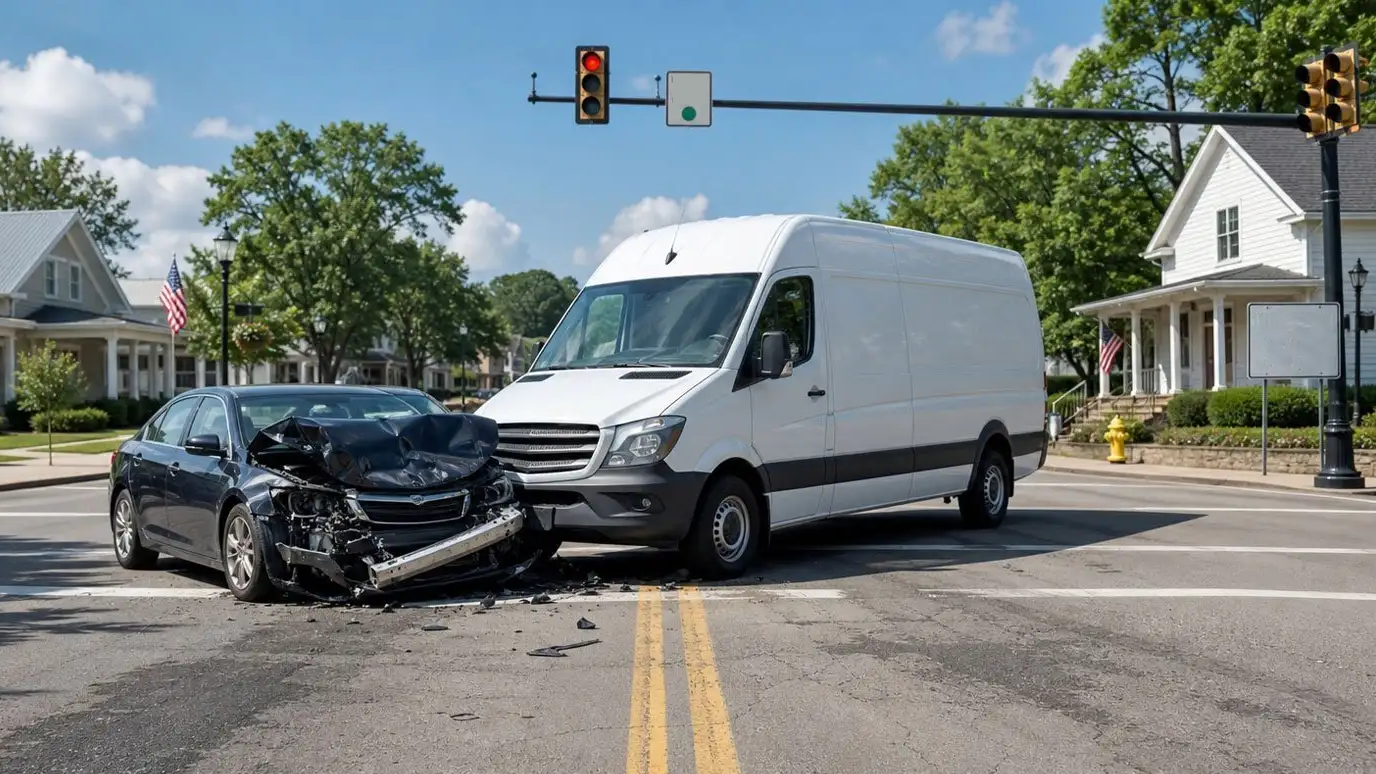
After a vehicle collision, getting the damaged vehicle off the road is often one of the first concerns. However, not every accident-damaged vehicle can be moved immediately. Severe structural damage, leaking fluids, locked wheels, deployed airbags, damaged suspension, or an unstable position can make ordinary vehicle removal dangerous. In these situations, attempting to drive or pull the vehicle away without proper equipment and assessment can create additional risks. So, what happens when a vehicle cannot be safely removed from a collision scene? The answer depends on the extent of the damage, the vehicle's position, surrounding traffic conditions, and the equipment needed to recover it. Sometimes, a professional towing operator must first stabilise the vehicle, assess the safest recovery method, and coordinate with emergency responders or law enforcement before moving it.
For drivers in Marrero, Louisiana, and surrounding West Bank communities, understanding this process can make an already stressful accident situation easier to manage. A&Z Towing LLC provides towing, vehicle recovery, and roadside assistance services to help with difficult roadside situations, including accident-related vehicle removal. This guide explains why some collision-damaged vehicles cannot be moved immediately, what professional towing operators do before attempting removal, which recovery methods may be appropriate, and how drivers can protect themselves while waiting for assistance.
A vehicle involved in a collision may look movable from the outside but still have hidden damage that makes recovery difficult. Even when the engine starts and the wheels appear intact, important mechanical or structural components may have been compromised. Moving a damaged vehicle without understanding these conditions can cause further damage or put drivers, passengers, bystanders, and recovery personnel at risk. Several factors can prevent a vehicle from being safely removed from an accident scene. A serious collision can affect the vehicle's frame, chassis, or structural support components. These parts help maintain the vehicle's shape and provide stability during normal operation. When structural damage is extensive, the vehicle may not remain stable during ordinary towing or lifting. For example, a vehicle involved in a side-impact collision might have significant damage around the frame and suspension mounting points. Pulling it using an unsuitable attachment point could worsen the damage or cause components to separate. Professional recovery operators must consider the vehicle's structural condition before selecting a removal method. Understanding how professional towing helps prevent additional vehicle damage is particularly important when dealing with vehicles that have already sustained significant impact damage. A vehicle does not necessarily need to have a damaged engine to become difficult to recover. Collision damage can affect the wheels, tyres, axles, steering system, or suspension. As a result, one or more wheels may become locked or unable to rotate. This creates a problem when attempting to move the vehicle using conventional towing equipment.
Examples include:
A front wheel bent inward after an impact.
A broken axle preventing normal wheel movement.
A damaged steering system that prevents the wheels from aligning.
A collapsed suspension component.
A wheel trapped against another damaged vehicle or roadside structure.
When the wheels cannot roll freely, dragging the vehicle may cause additional mechanical or body damage. Depending on the situation, a professional operator may need specialised recovery equipment or a flatbed towing arrangement. Drivers can also learn how a tow truck can move a vehicle that won't start or roll when ordinary movement is no longer possible. Fluid leaks are another important reason a vehicle may not be safe to move immediately. A collision can damage the fuel tank, fuel lines, engine components, radiator, transmission system, or other fluid-containing parts. Some leaks create fire hazards, while others can make the accident scene slippery or expose people to hazardous materials.
Potential concerns include:
Gasoline or diesel leaking from the fuel system.
Engine oil leaking underneath the vehicle.
Coolant escaping from a damaged radiator.
Transmission fluid leaking from damaged components.
Battery-related hazards in certain electric and hybrid vehicles.
If fuel is leaking or there is a suspected fire risk, people should stay away from the vehicle and contact emergency services. A towing operator should not attempt ordinary vehicle removal until the scene has been assessed and the relevant hazards have been addressed. Airbag deployment is a common result of serious collisions. Although deployed airbags generally indicate that an impact was significant enough to trigger a safety system, they do not automatically mean the vehicle cannot be towed. However, other collision-related conditions may create additional safety concerns. For example, damaged electrical systems, exposed wiring, battery damage, or compromised high-voltage components in electric vehicles may require additional precautions. Professional operators need to consider these conditions before handling the vehicle. Sometimes, the biggest obstacle is not the vehicle's mechanical condition but where it ended up after the collision.
A vehicle might be:
Resting on its side.
Partially overturned.
Stuck against a guardrail.
Positioned on a steep embankment.
Trapped in a ditch.
Resting against another vehicle.
Suspended partly over a roadside edge.
In these situations, ordinary towing may not provide the control needed to recover the vehicle safely. The operator may need to stabilise it, assess the surrounding terrain, and use specialised recovery equipment before attempting removal. For vehicles trapped off the roadway, professional vehicle recovery for cars stuck off the road may be necessary.
When a vehicle cannot be moved safely, recovery becomes a controlled process rather than a simple towing job. The goal is to remove the vehicle without creating additional hazards, damaging surrounding property, or putting anyone in danger.
The exact procedure varies depending on the accident, but professional collision recovery generally involves several important stages. Before attempting to move the vehicle, responders and recovery personnel need to understand the conditions surrounding it.
This includes looking at:
The vehicle's position.
The extent of visible damage.
Traffic movement around the collision.
Road conditions and available space.
Nearby vehicles, barriers, and structures.
Possible fuel or fluid leaks.
Electrical or fire-related hazards.
The assessment helps determine whether the vehicle can be removed using standard towing equipment or whether a more specialised recovery method is necessary. If police, firefighters, or other emergency responders are present, the towing operator must coordinate with them. The next priority is making the collision scene as safe as possible. If someone is injured, emergency medical services take priority. If there is a fire risk, fuel leak, or another dangerous condition, emergency responders may need to address it before vehicle recovery begins. Traffic management may also be necessary, especially when the collision occurs on a busy road or in an area with limited visibility. Drivers should not attempt to direct traffic or approach a dangerous vehicle themselves. The recovery process should only move forward when the relevant safety conditions allow it. Drivers can review standard safety steps to take immediately following a low-speed collision to better understand what to prioritise after an accident.
A damaged vehicle may shift unexpectedly during recovery, particularly when it is overturned, resting on uneven ground, or positioned on an incline. Stabilisation helps prevent unwanted movement while the vehicle is being prepared for removal. Depending on the situation, professional recovery operators may use appropriate securing equipment, winch lines, straps, or other stabilisation methods. The equipment and attachment points must be selected carefully because damaged structural components may not be capable of supporting ordinary pulling forces. Not every collision requires the same towing equipment.
A vehicle with moderate damage and intact wheels may be suitable for conventional towing. A severely damaged vehicle may require flatbed transportation or specialised recovery equipment. The operator considers the vehicle's condition, weight, position, and accessibility before choosing an approach.
For example:
A vehicle with significant front-end damage may require flatbed towing.
A vehicle with locked wheels may need additional equipment to load it without dragging.
A vehicle resting in a ditch may require controlled winching.
An overturned vehicle may require specialised recovery and stabilisation equipment.
Choosing the right method helps reduce the possibility of additional damage. Understanding the difference between vehicle recovery and a standard tow can help explain why some accident scenes require more specialised equipment and procedures. Once the necessary preparations are complete, the operator begins the recovery process. This may involve controlled winching, lifting, positioning, or loading the vehicle onto a suitable tow truck. The recovery should be performed gradually and with attention to how the vehicle responds. If the vehicle shifts unexpectedly or the recovery conditions change, the operator may need to stop and reassess the approach. Professional vehicle recovery is not simply about pulling a vehicle out of its position. It involves maintaining control throughout the operation. After successful recovery, the damaged vehicle is transported to an appropriate destination.
Depending on the driver's needs and the circumstances of the collision, this may be:
An auto repair facility.
A collision repair centre.
A vehicle storage facility.
Another location approved by the vehicle owner or relevant authorities.
If law enforcement has placed a hold on the vehicle or the accident scene is subject to an investigation, release and transportation arrangements must follow the applicable instructions. The equipment used for accident recovery depends on the type of damage and the vehicle's position. Professional towing companies use different tools to handle situations that ordinary roadside towing equipment may not be suitable for. A flatbed tow truck carries the entire vehicle on a level platform instead of allowing its wheels to remain on the road. This can be particularly useful for accident-damaged vehicles because it reduces the need for damaged wheels or axles to rotate during transportation.
Flatbed towing may be appropriate for:
Vehicles with significant collision damage.
Cars with damaged suspension systems.
Vehicles with locked or compromised wheels.
Cars that cannot be driven safely.
Vehicles requiring secure transportation after recovery.
However, a flatbed does not automatically solve every recovery problem. A severely damaged or inaccessible vehicle may need to be stabilised or recovered before it can be loaded. Learn more about flatbed towing services and how this method can help transport vehicles that should not be driven. You can also explore when flatbed towing is a better choice for a disabled vehicle. Winching equipment uses a controlled pulling mechanism to move a vehicle from a difficult position. It can be useful when a vehicle is stuck in a ditch, trapped near a roadside barrier, or positioned somewhere a tow truck cannot directly access. Winching may also be part of a larger accident recovery operation. Drivers interested in the process can learn more about how vehicle winch-outs work and how recovery equipment operates. However, the operator must identify suitable attachment points and consider the vehicle's condition before applying pulling force. A damaged vehicle should never be pulled simply because a winch is available. The recovery method must match the vehicle's structural condition and surroundings. Wheel dollies and related equipment can help support vehicles when their wheels cannot rotate normally. They may be useful for vehicles with locked wheels, damaged tyres, or certain suspension problems.
By supporting affected wheels, the operator may be able to move the vehicle without dragging damaged components across the road. The equipment must be appropriate for the vehicle's weight and the specific recovery conditions. Straps, chains, hooks, and other securing equipment may be used to stabilise or secure a vehicle during recovery and transportation. Correct placement is essential. Using unsuitable attachment points can damage body panels, suspension components, or structural sections, especially when the vehicle has already been compromised by a collision. Understanding how professional towing equipment protects your vehicle helps explain why the right equipment and proper handling techniques matter during accident recovery.
Flatbed towing is often a practical option when an accident-damaged vehicle should not have its wheels rolling along the road during transportation. Traditional towing methods may be unsuitable when the vehicle has serious wheel, suspension, or drivetrain damage. Here is a simple comparison. The final decision depends on the specific vehicle and accident conditions. For example, a car with deployed airbags but no significant mechanical damage may be easier to transport than a vehicle with intact airbags but a broken axle and severely damaged frame. This is why a professional assessment is important before selecting a towing method. Drivers can also review the key differences between wheel-lift and flatbed towing to understand how the two approaches differ. Not always. When an accident involves serious injuries, fatalities, significant property damage, or suspected criminal activity, law enforcement may need to examine the scene before the vehicles are removed. The vehicles may contain important evidence that helps investigators understand what happened. Moving them too early could interfere with the investigation.
Depending on the circumstances, police may need to:
Photograph the vehicles in their original positions.
Document skid marks and debris.
Examine vehicle damage.
Record the location of the vehicles.
Collect relevant physical evidence.
Complete necessary accident documentation.
A towing operator should follow instructions from the authorities responsible for the scene. Drivers should not assume they can arrange immediate removal simply because the vehicle is blocking traffic or cannot be driven. In some cases, law enforcement may authorise removal once the necessary documentation is complete. In other situations, additional instructions may apply. If your vehicle cannot be safely removed after an accident, your actions while waiting for assistance can make a significant difference.
The most important thing is to prioritise personal safety rather than trying to protect or move the damaged vehicle. If you can safely leave the vehicle and move to a protected location, do so. Avoid standing near moving traffic, especially on busy roads, highways, or areas with limited visibility. Do not remain inside a vehicle that appears unstable or has a suspected fire or fuel-leak hazard.
Call 911 if anyone is injured, there is a fire, fuel is leaking, or the accident creates an immediate danger.
Emergency responders can assess the situation and provide the necessary assistance. If police officers are managing the collision scene, follow their directions. Do not attempt to move the vehicle, remove evidence, or interfere with the recovery process without authorisation. A damaged vehicle may look stable but can shift unexpectedly when pulled. Using another vehicle, a rope, or an improvised attachment point can create additional risks.
Professional recovery equipment and experience are important when dealing with vehicles that cannot be moved normally. When contacting a towing company, explain what happened and describe the vehicle's condition as accurately as possible. Mention whether the vehicle is overturned, trapped, leaking fluids, has locked wheels, or is positioned somewhere difficult to access.
This information helps the towing operator understand what equipment may be necessary. You can also review what to tell a towing company about your vehicle before it arrives.
Accident recovery requires more than having a tow truck available. When a vehicle is severely damaged or positioned in a difficult location, the operator must consider several factors before beginning the removal process.
Professional recovery can help reduce the risk of:
Additional damage to the vehicle.
Uncontrolled vehicle movement.
Damage to nearby property.
Injuries during recovery.
Improper loading and transportation.
Unnecessary delays caused by unsuitable equipment.
An experienced operator also understands that certain conditions require additional assistance from emergency responders or law enforcement. For example, a vehicle resting against a guardrail may need a different approach from one sitting in a roadside ditch. Similarly, a vehicle with damaged wheels may require different equipment from one that has rolled onto its side. The right recovery approach depends on the actual situation rather than simply the size of the tow truck. When a collision leaves a vehicle damaged, disabled, or difficult to access, having a towing company that provides both towing and vehicle recovery services can make the next steps easier.
A&Z Towing LLC serves Marrero, Harvey, Gretna, Westwego, Estelle, Bridge City, Belle Chasse, and surrounding West Bank communities in Louisiana. The company provides services designed to assist drivers with different roadside and vehicle transportation needs. An accident can leave a vehicle completely undrivable, even when the damage does not appear severe. A&Z Towing provides emergency towing services for drivers who need assistance after unexpected vehicle incidents. When requesting help, explain whether the vehicle is blocking traffic, has damaged wheels, or requires special handling. Some accident-damaged vehicles should not be transported with their wheels rolling on the road.
A&Z Towing offers flatbed towing, which can be useful for transporting vehicles that need to remain fully supported during transportation. The suitability of flatbed towing depends on whether the vehicle can be safely recovered and loaded. A vehicle that ends up in a ditch, off the roadway, or in another difficult position may require more than standard towing.
A&Z Towing provides vehicle recovery services to help with challenging roadside situations. The recovery approach depends on the vehicle's position, condition, and surrounding hazards. Not every accident-related vehicle problem requires the same service. In some situations, drivers may need additional help with a disabled vehicle or another roadside issue. A&Z Towing also provides roadside assistance for drivers experiencing unexpected vehicle problems. You can learn more about the company's services and service approach on the A&Z Towing About page.
The vehicle may require specialised recovery equipment and stabilisation before it can be moved. The operator assesses the damage, vehicle position, and surrounding hazards before deciding how to recover it. Yes, in many situations, but the appropriate equipment must be used. Wheel dollies, flatbed loading equipment, or specialised recovery methods may help prevent further damage. The vehicle may have structural damage, leaking fuel, electrical hazards, or an unstable position. The operator may need emergency responders or law enforcement to address the situation before recovery can begin. No. Flatbed towing is often useful for severely damaged or undrivable vehicles, but the appropriate towing method depends on the vehicle's condition and the type of damage. Yes. Professional vehicle recovery operators may use controlled winching and other suitable equipment to recover vehicles from ditches. The method depends on the vehicle's position, stability, and accessibility. Not if law enforcement has instructed you to leave it in place or the scene needs to be examined. Follow the instructions of the responding authorities before arranging vehicle removal. Move away from the vehicle and avoid ignition sources. Contact emergency services immediately and do not attempt to start, move, or recover the vehicle until the hazard has been assessed. Flatbed towing can reduce the need for damaged wheels and drivetrain components to roll during transportation. However, the vehicle must still be safely recovered and loaded before flatbed transportation can begin.
Provide your location, vehicle type, current position, visible damage, and any known hazards. Mention whether the wheels are locked, fluids are leaking, or the vehicle is overturned or trapped. A&Z Towing provides emergency towing, flatbed towing, and vehicle recovery services in Marrero and surrounding West Bank communities. Contact the company to discuss your specific recovery needs and availability. When a vehicle cannot be safely removed from a collision scene, rushing the towing process can create additional problems. Structural damage, locked wheels, fluid leaks, deployed safety systems, and unstable vehicle positions can all make ordinary removal methods unsuitable. The safest approach is to assess the collision scene, address immediate hazards, coordinate with emergency responders when necessary, and select recovery equipment that matches the vehicle's condition. Flatbed towing, controlled winching, wheel-support equipment, and professional stabilisation techniques may all play a role in difficult accident recovery situations. For drivers in Marrero, Harvey, Gretna, Westwego, Belle Chasse, and nearby West Bank communities, A&Z Towing LLC provides emergency towing, flatbed transportation, vehicle recovery, and roadside assistance. If your vehicle has been involved in a collision and cannot be safely driven or moved, avoid attempting an improvised recovery. Get professional assistance and allow the vehicle's condition and surroundings to determine the safest removal method.
If your vehicle is disabled after a collision, trapped in a difficult position, or unable to be safely driven, contact A&Z Towing LLC for assistance.
Call A&Z Towing LLC at (504) 367-5176 to discuss your location, vehicle condition, and towing or recovery needs.
Visit the A&Z Towing website to explore available services, or use the contact page to get in touch.
When a collision makes ordinary vehicle removal difficult, the right recovery approach can help make the next step safer and more manageable.