What to Expect During Your First Tow Truck Service
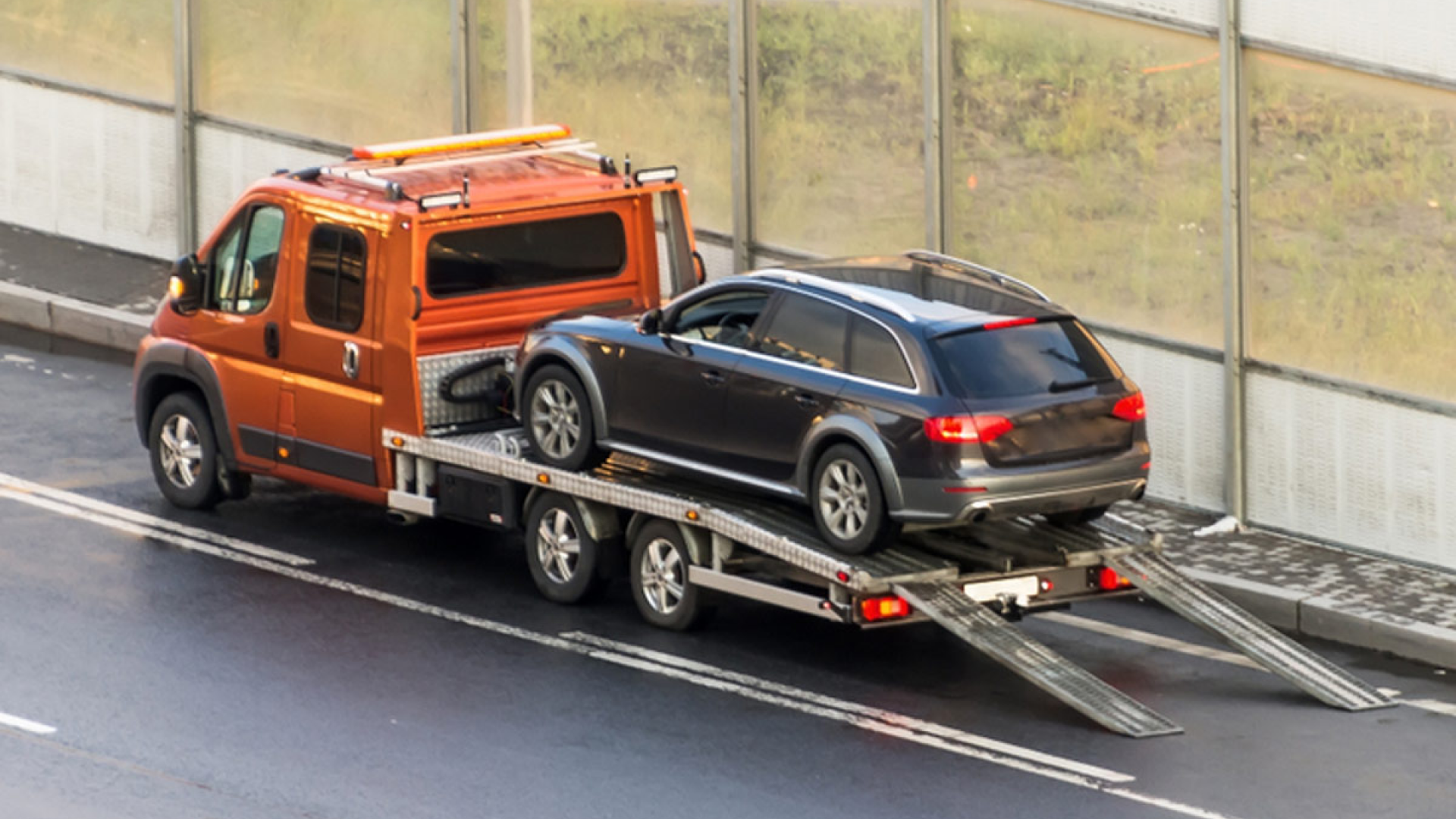
If you have never needed a tow truck before, the experience can feel unfamiliar. You may be wondering what information to provide, what happens when the tow truck arrives, whether your vehicle can be transported safely, and what you should do while waiting.
A towing service is usually straightforward once you understand the basic process. You contact a towing provider, explain where you are and what happened, provide information about your vehicle, and wait for professional assistance. When the tow truck arrives, the operator can assess the situation and determine the appropriate way to handle the vehicle.
Whether your vehicle has broken down, been involved in an accident, developed a flat tire, or cannot safely continue, knowing what to expect can make the situation less stressful.
A&Z Towing provides 24/7 emergency towing and roadside assistance in Marrero and surrounding Louisiana communities, including emergency towing, light-duty towing, flatbed towing, vehicle recovery, jump starts, tire changes, and vehicle lockout assistance.
Quick Answer
During your first tow truck service, you can generally expect to provide your location, vehicle information, and details about the problem. The towing provider will assess the situation, determine the appropriate service and equipment, load and secure the vehicle, and transport it to the requested destination when applicable. Your safety remains the priority throughout the process.
Key Takeaways
You do not need to be an expert on vehicles to request a tow.
Your exact location is one of the most important details to provide.
Tell the towing company what happened and whether the vehicle can move.
Mention accident damage, flat tires, or difficult access before the tow truck arrives.
The towing operator will assess the vehicle and situation before loading it.
Different vehicles and situations may require different towing equipment.
The vehicle should be properly secured before transportation.
Remove important personal belongings when it is safe to do so.
Stay away from moving traffic and towing equipment during the process.
A&Z Towing provides emergency towing and roadside assistance in Marrero and surrounding Louisiana communities.
When Do You Need a Tow Truck?
You may need a tow truck when your vehicle cannot safely continue driving.
Common situations include:
A serious mechanical breakdown.
An accident.
A vehicle that will not start.
Significant tire or wheel damage.
A vehicle that cannot move.
A vehicle that is stuck.
Another problem that makes driving unsafe.
Not every roadside problem requires towing.
For example, a dead battery may only require a jump start, while a flat tire may be resolved with a tire change if it is safe and practical.
A&Z Towing provides both roadside assistance and towing services, allowing drivers to request the type of assistance appropriate for their situation.
What Happens When You First Call?
Your first interaction with the towing company will generally involve providing information about your situation.
You do not need to know exactly what mechanical component has failed.
Instead, describe what happened and what the vehicle is doing.
Be ready to provide:
Your exact location.
Vehicle make and model.
Vehicle color.
What happened.
Whether the vehicle starts.
Whether the vehicle can move.
Any visible damage.
Whether the vehicle is stuck.
Whether it has a flat tire.
Whether it was involved in an accident.
Your destination, if known.
If you are on a highway, provide the highway number, direction of travel, nearest exit, and any visible mile marker or landmark.
Why Your Location Is So Important
The towing provider needs to know where the vehicle is located before assistance can reach you.
A street address is helpful when available, but roadside emergencies do not always happen at an address.
You could be:
On a highway shoulder.
In a parking lot.
On a rural road.
Near an intersection.
At a large commercial property.
On a difficult-to-access road.
Use landmarks when possible
If you are unsure of the exact address, describe nearby signs, businesses, intersections, exits, or other recognizable locations.
Your phone's map or GPS location may also help you communicate where you are.
The more clearly you can identify your location, the easier it is for the towing provider to understand where assistance is needed.
What Happens When the Tow Truck Arrives?
Once the tow truck arrives, the operator can assess the vehicle and the surrounding situation.
The operator may need to determine:
Whether the vehicle can roll.
Where the vehicle can be safely positioned.
What type of towing equipment is appropriate.
Whether the vehicle has visible damage.
How the vehicle should be loaded.
Whether there are obstacles around the vehicle.
This assessment is an important part of the towing process.
Don't be surprised if the operator asks additional questions
The information you provided over the phone gives the towing provider an initial understanding of the situation.
Seeing the vehicle in person may reveal additional details.
Answer questions as accurately as possible and point out any damage or problems you have noticed.
How Is the Vehicle Loaded?
The loading process depends on the vehicle and the towing equipment being used.
A&Z Towing provides light-duty towing and flatbed towing.
A flatbed tow truck uses a platform to transport the vehicle, while other towing methods may be appropriate depending on the circumstances.
The towing method depends on the situation
A vehicle involved in an accident may require different handling from a vehicle that simply needs transportation.
Similarly, a vehicle with a flat tire, damaged wheel, or inability to move may require additional consideration.
You do not need to choose the equipment yourself.
Explain the situation and allow the towing professional to determine the appropriate method.
How Is the Vehicle Secured?
After the vehicle is positioned for transportation, it needs to be secured appropriately.
The towing operator uses the appropriate equipment to keep the vehicle stable during transportation.
This is especially important for vehicles that are disabled or damaged.
Why securing the vehicle matters
A properly secured vehicle is less likely to shift unnecessarily while the tow truck is moving.
The towing operator handles this process and checks the vehicle before transportation begins.
As a driver, your main responsibility is to stay clear of the equipment and follow the operator's instructions.
What Should You Remove From Your Vehicle?
Before the vehicle is transported, remove important personal belongings when it is safe to access the vehicle.
Consider taking:
Wallet and identification.
Electronics.
Important documents.
Medication.
Valuables.
Work equipment.
Personal items you may need.
Don't put yourself at risk
If the vehicle is located beside fast-moving traffic or in another dangerous position, do not spend time collecting belongings.
Your safety is more important than retrieving personal items.
If you cannot safely access the vehicle, explain the situation to the towing operator.
What Happens If Your Vehicle Was in an Accident?
Accident towing can be different from towing after an ordinary breakdown.
A vehicle may have:
Damaged tires.
Damaged wheels.
Steering problems.
Body damage.
Broken windows.
Parts hanging from the vehicle.
Other visible damage.
Even if the engine still starts, the vehicle may not be safe to drive.
Tell the towing provider about the accident
Explain what happened and describe the visible damage.
Do not assume that the towing operator will be able to identify every problem simply by looking at the vehicle.
A&Z Towing provides emergency towing for accident and roadside situations.
What If Your Vehicle Is Stuck?
A stuck vehicle may require vehicle recovery rather than a straightforward tow.
For example, the vehicle may be:
Stuck in mud.
Off the roadway.
In a difficult position.
In an area with limited access.
A&Z Towing provides vehicle recovery for stuck, off-road, and difficult vehicle situations.
Don't try to pull it out yourself
If a vehicle is seriously stuck, avoid improvised recovery attempts.
Using another vehicle, rope, chain, or other equipment without the appropriate setup can create additional risks.
Tell the towing provider how the vehicle became stuck and where it is positioned.
What If You Have a Flat Tire?
A flat tire does not automatically mean the vehicle needs to be towed.
If you have a usable spare and can safely change the tire, you may be able to continue driving.
However, roadside assistance may be a better option if:
You do not have a spare.
The wheel is damaged.
The vehicle is in an unsafe location.
You do not have the necessary tools.
The tire cannot safely be changed.
A&Z Towing provides tire-change assistance as part of its roadside services.
What If Your Battery Is Dead?
A dead battery may only require a jump start.
A&Z Towing provides jump-start assistance.
If the vehicle starts after the jump and operates normally, towing may not be necessary.
If the vehicle still does not start or repeatedly loses power, towing may be appropriate.
Tell the towing provider what happened and whether the vehicle has needed previous jump starts.
What If You Are Locked Out?
If the keys are locked inside the vehicle, towing may not be necessary.
A&Z Towing provides vehicle lockout assistance as part of its roadside services.
When requesting help, explain whether:
The keys are inside the vehicle.
The keys are lost.
The key fob is not working.
A child or pet is inside.
The vehicle is in a dangerous location.
If a child, pet, or vulnerable person is in immediate danger, treat the situation as an emergency and seek emergency assistance.
What Happens During Transportation?
Once the vehicle is loaded and secured, it can be transported to the agreed destination.
The destination may be:
A repair facility.
A dealership.
Your home.
Another appropriate location.
If you know where you want the vehicle taken, provide the destination when requesting service.
If you do not know yet, explain that to the towing provider.
What Should You Do While the Vehicle Is Being Towed?
If you are riding with someone else, follow the towing provider's instructions regarding where you should wait or travel.
Do not stand near moving towing equipment.
Stay aware of your surroundings
If the original breakdown occurred beside a road, move to a safe area away from moving traffic when possible.
Avoid walking around the tow truck while the vehicle is being loaded or secured.
Children and pets should also remain away from the towing operation.
Common First-Time Towing Mistakes
Giving an incomplete location
Saying "I'm on the highway" does not provide enough information in many situations.
Give the highway number, direction, exit, and landmarks whenever possible.
Trying to diagnose the vehicle
You do not need to know exactly what failed.
Describe the symptoms instead.
Forgetting to mention accident damage
Tell the towing provider if the vehicle has been involved in an accident.
Not mentioning that the vehicle is stuck
A stuck vehicle may require recovery rather than ordinary towing.
Leaving valuables inside
Remove important belongings when it is safe to do so.
Standing too close to the tow truck
Stay clear of moving equipment and follow the operator's instructions.
Assuming every vehicle is towed the same way
Different vehicles and situations may require different towing methods.
A Simple First-Time Towing Checklist
Before calling:
Move to a safe location if possible.
Identify your exact location.
Check whether the vehicle starts.
Determine whether it can move.
Note any visible damage.
Identify the vehicle's make and model.
Think about where you want the vehicle taken.
When calling:
Give your location.
Explain what happened.
Describe the vehicle.
Mention accident damage.
Mention flat tires or wheel damage.
Explain if the vehicle is stuck.
Mention any immediate safety concerns.
Before transportation:
Remove important belongings if safe.
Keep your keys available.
Follow the towing operator's instructions.
Stay away from moving equipment.
Frequently Asked Questions
What should I expect during my first tow truck service?
You will generally provide your location, vehicle information, and details about the problem. When the tow truck arrives, the operator will assess the vehicle, determine the appropriate towing method, load and secure the vehicle, and transport it to the requested destination when applicable.
Do I need to know what's wrong with my car before calling a tow truck?
No. You can simply describe what happened and what the vehicle is doing. You do not need to diagnose the mechanical problem yourself.
What information does a tow truck company need?
The most useful information includes your exact location, vehicle make and model, what happened, whether the vehicle starts or moves, visible damage, and any unusual circumstances such as a flat tire, accident, or stuck vehicle.
How do I tell a tow truck where I am?
Provide your street address if available. If you are on a highway, provide the highway number, direction of travel, nearest exit, mile marker, or landmark. Your phone's map location may also help.
What happens when a tow truck arrives?
The towing operator will assess the vehicle and surroundings, determine the appropriate towing equipment, position the vehicle, and secure it for transportation.
Will the tow truck driver inspect my vehicle?
The operator needs to assess the vehicle and circumstances to determine how it can be safely handled and transported.
Should I remove my belongings before my car is towed?
If it is safe to access the vehicle, remove important personal belongings and valuables before transportation. Do not put yourself in danger to retrieve them.
Can a tow truck take my car to a repair shop?
Yes. If you know where you want the vehicle taken, provide the destination when requesting towing service.
What if my car was in an accident?
Tell the towing provider about the accident and describe any visible damage. Accident-damaged vehicles may require different handling than vehicles with ordinary breakdowns.
What if my vehicle is stuck?
Tell the towing company that the vehicle is stuck and explain where and how it became stuck. Vehicle recovery may be necessary before the vehicle can be transported.
What if I only have a flat tire?
You may not need a tow. Depending on the circumstances, a tire change may resolve the problem. A&Z Towing provides tire-change assistance as part of its roadside services.
What if my battery is dead?
A jump start may be enough if the battery is simply discharged. A&Z Towing provides jump-start assistance. If the vehicle remains disabled, towing may be necessary.
Can a tow truck help if my keys are locked inside?
Depending on the situation, vehicle lockout assistance may be appropriate instead of towing. A&Z Towing provides vehicle lockout assistance.
Is it safe to stand beside my vehicle while it is being towed?
If you are near traffic or moving towing equipment, staying in a safe location is important. Follow the towing operator's instructions and keep away from active equipment.
Does A&Z Towing provide emergency towing?
Yes. A&Z Towing provides 24/7 emergency towing in Marrero and surrounding Louisiana communities.
Does A&Z Towing provide roadside assistance?
Yes. A&Z Towing provides roadside assistance including jump starts, tire changes, and vehicle lockout assistance.
When to Call A&Z Towing
Your first towing experience can feel stressful, but you do not need to know everything about towing before requesting help.
Start by identifying where you are and explaining what happened. Tell A&Z Towing what type of vehicle you have, whether it starts or moves, and whether there is any visible damage.
A&Z Towing provides 24/7 emergency towing in Marrero and surrounding Louisiana communities, including light-duty towing, flatbed towing, and vehicle recovery. The company also provides roadside assistance such as jump starts, tire changes, and vehicle lockout assistance.
If your vehicle is stuck, damaged, or in an unusual position, mention that before the tow truck arrives. This gives the towing provider more information about the situation.
Most importantly, prioritize your safety while waiting. Stay away from moving traffic and allow the towing professional to handle the vehicle and equipment.
Conclusion
Your first tow truck service may seem intimidating if you have never needed one before, but the basic process is straightforward.
Start by providing your exact location and explaining what happened. Tell the towing provider what type of vehicle you have, whether it starts or moves, and whether there is any accident damage, flat tire, or other unusual circumstance.
When the tow truck arrives, the operator will assess the vehicle and determine the appropriate way to load, secure, and transport it. Different situations may require different equipment, including light-duty towing, flatbed towing, or vehicle recovery.
You can make the process easier by removing important belongings when it is safe, providing accurate information, and following the towing operator's instructions.
For drivers in Marrero and surrounding Louisiana communities, A&Z Towing provides 24/7 emergency towing and roadside assistance, including emergency towing, light-duty towing, flatbed towing, vehicle recovery, jump starts, tire changes, and vehicle lockout assistance.
If you ever need a tow for the first time, remember that you do not have to figure everything out yourself. Give the towing provider clear information about your vehicle and situation, prioritize your safety, and let the professional handle the towing process.