Can a Tow Truck Move a Vehicle That Won’t Start or Roll?
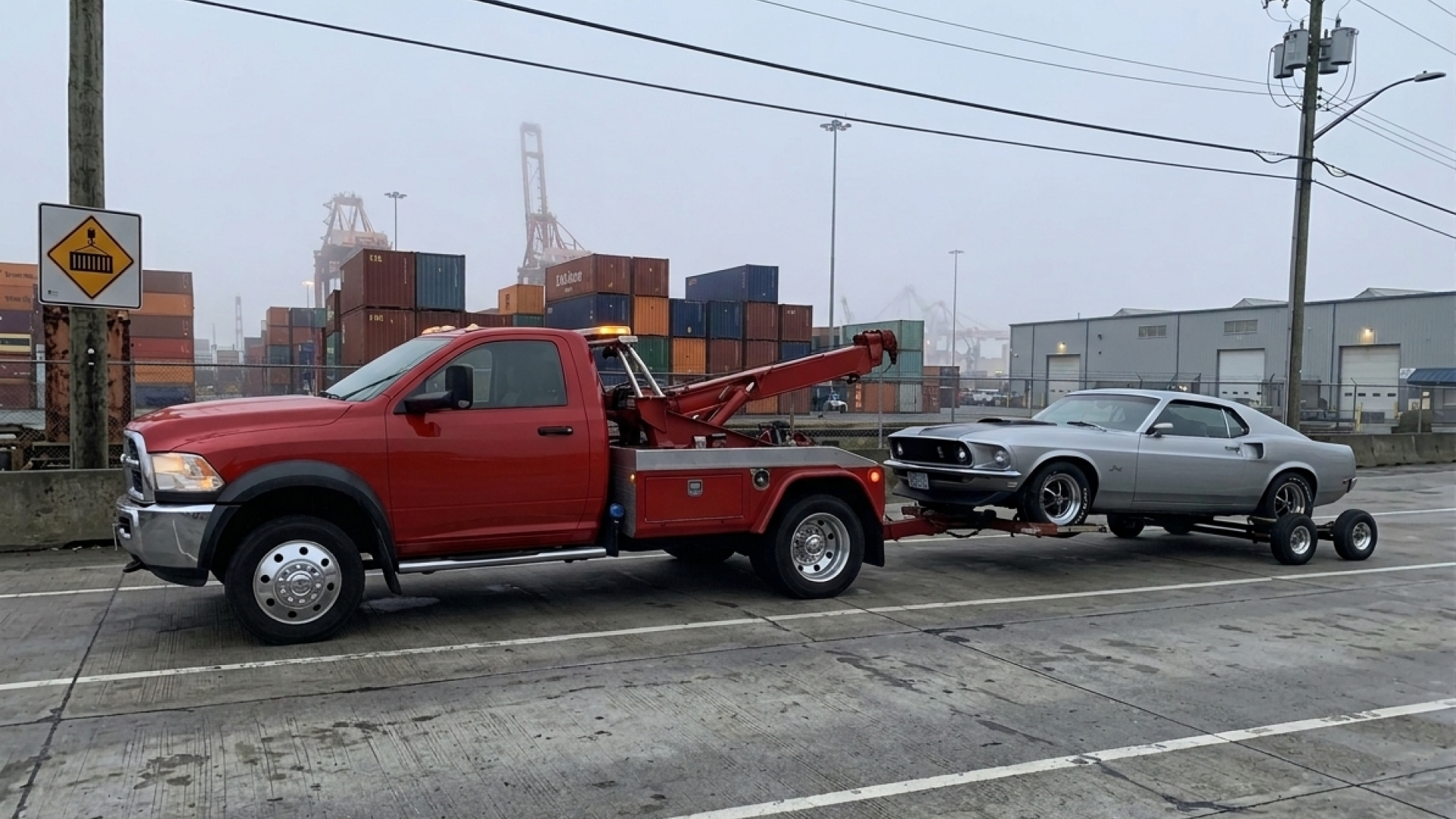
A vehicle that will not start is frustrating enough. When the wheels will not roll either, the situation can feel much more complicated. You may wonder whether a tow truck can move the vehicle at all, especially if it is stuck in a parking space, involved in an accident, sitting in a ditch, or unable to shift into neutral.
The short answer is yes, a tow truck can usually move a vehicle that will not start or roll. However, the towing method depends on why the vehicle cannot move, its location, drivetrain, steering condition, wheel position, and the type of equipment available.
A disabled vehicle does not necessarily need to be running for it to be transported. Professional towing equipment can be used to load, secure, recover, and move vehicles that have mechanical problems or damaged wheels.
Understanding how this works can help you make safer decisions during a roadside emergency and avoid attempting a move that could cause additional damage.
Can a Tow Truck Move a Vehicle That Won’t Start?
Yes. A tow truck can move a vehicle even when its engine will not start.
A non-running vehicle is one of the most common reasons drivers request towing assistance. Depending on the circumstances, a tow operator may use a flatbed, wheel-lift, winch, dollies, or other appropriate recovery equipment.
A vehicle that will not start may still be relatively easy to tow if the steering and wheels are functioning normally. The situation becomes more complicated when the vehicle also has a locked steering wheel, damaged suspension, seized wheels, transmission problems, or accident damage.
The tow operator will typically assess the vehicle before deciding how to load it.
What Happens If the Engine Won’t Start?
If the vehicle cannot start but can still roll and steer, the operator may be able to position it for towing or loading without relying on the engine.
For example, a car with a dead battery may not start, but its wheels may turn normally. A winch can help pull the vehicle onto a flatbed when the vehicle cannot drive itself.
If the transmission can be placed in neutral, moving the vehicle may be relatively straightforward. If it cannot be shifted into neutral, additional equipment or a different loading technique may be necessary.
Can a Tow Truck Move a Vehicle That Won’t Roll?
Yes, but a vehicle that cannot roll usually requires more specialized equipment or a different towing procedure.
There are several reasons wheels may not roll:
A flat or severely damaged tire
A locked transmission
A seized brake
Accident-related wheel or suspension damage
A parking brake that will not release
A damaged axle or drivetrain
Steering or suspension failure
A vehicle stuck in mud, sand, or a ditch
The operator needs to determine why the vehicle will not roll before choosing the safest way to move it.
Why a Non-Rolling Vehicle Is More Difficult to Tow
A standard tow assumes that some of the vehicle's wheels can move freely. When they cannot, simply attaching a tow strap or lifting one end may not be appropriate.
Forcing damaged wheels to rotate can worsen mechanical or suspension damage. Pulling an accident-damaged vehicle from the wrong angle can also create additional problems.
That is why professional towing involves more than simply connecting a vehicle to a truck.
How Do Tow Trucks Move Cars That Cannot Roll?
Several types of towing and recovery equipment may be used, depending on the vehicle and situation.
1. Flatbed Towing
A flatbed tow truck carries the vehicle on a level platform rather than pulling it with its wheels on the road.
This can be a practical choice for vehicles that should not be driven or rolled for an extended distance. It can also be useful when a vehicle has significant wheel, drivetrain, or suspension problems.
A winch can pull a non-running vehicle onto the flatbed when the vehicle cannot drive onto the platform under its own power.
Flatbed towing may also be appropriate for vehicles where minimizing contact between the damaged wheels and the road is a priority.
2. Wheel-Lift Towing
A wheel-lift tow truck raises either the front or rear wheels off the ground while the remaining wheels stay on the road.
This method can work well when the vehicle's wheels and drivetrain are suitable for the towing arrangement. It is less straightforward when multiple wheels are damaged or unable to rotate.
The operator must consider whether the vehicle is front-wheel drive, rear-wheel drive, all-wheel drive, or four-wheel drive before deciding how it should be moved.
3. Winching
A winch is especially useful when a vehicle cannot move under its own power.
Instead of asking the vehicle to drive onto the tow truck, the winch pulls it into position. This can be useful for a dead vehicle, a car with a mechanical failure, or a vehicle that is stuck in a difficult location.
Winching services are also commonly associated with vehicle recovery from situations such as mud, sand, ditches, or other areas where normal towing cannot begin immediately.
4. Tow Dollies and Other Equipment
In some situations, tow dollies or specialized recovery equipment may be used to support wheels that cannot safely travel on the ground.
The appropriate equipment depends on the vehicle's condition. A professional operator may choose a different method after inspecting the vehicle rather than assuming that one towing technique works for every car.
Special Challenges: Transmissions, Locked Wheels, & Accidents
What If the Vehicle Is Stuck in Park?
A vehicle stuck in Park can present a different challenge from a vehicle that simply will not start.
Normally, putting the transmission into neutral allows the vehicle to roll. If the transmission cannot be shifted out of Park because of an electrical failure, mechanical issue, dead battery, or other problem, the operator may need specialized procedures or equipment.
Do not assume that forcing the gear selector will solve the problem.
If the vehicle is electronic and the battery is completely dead, the procedure for releasing the transmission can differ by make and model. A tow professional can determine the safest way to move it without unnecessarily stressing the transmission or other components.
What If the Wheels Are Locked?
Locked wheels require particular care.
A wheel may be unable to turn because of a seized brake, collision damage, drivetrain failure, or another mechanical problem. If one or more wheels are locked, dragging the vehicle across pavement may cause additional damage.
The operator may use a winch, wheel-lift equipment, dollies, or a flatbed depending on the circumstances.
Can a Car With a Flat Tire Be Towed?
Usually, yes.
A flat tire does not automatically prevent a vehicle from being transported. However, driving or dragging a vehicle with a severely damaged tire can damage the wheel, suspension, or surrounding components.
If the tire can safely be changed at the roadside, a tire service may solve the problem without requiring a tow. If the tire, wheel, or suspension has sustained significant damage, towing may be the safer option.
What If the Vehicle Was Damaged in an Accident?
Accident-damaged vehicles often require more careful handling than ordinary breakdowns. A collision may affect:
Wheels and tires
Steering components
Suspension
Axles
Bumpers and body panels
Undercarriage components
Drivetrain parts
Electrical systems
A vehicle may appear capable of rolling while having hidden damage underneath.
For that reason, avoid trying to pull or push a collision-damaged vehicle yourself unless there is an immediate safety reason to move it. A professional tow operator can evaluate how the vehicle should be loaded and secured.
Accident Recovery May Require Winching
If a collision sends a vehicle into a ditch, onto uneven ground, or into another difficult position, normal towing may not be enough.
Recovery may involve carefully positioning the tow truck, attaching recovery equipment to an appropriate point, and winching the vehicle to a location where it can be safely loaded. The goal is not simply to get the vehicle moving—it is to move it without creating unnecessary additional damage or putting people in danger.
Can an AWD or 4WD Vehicle Be Towed If It Won’t Move?
Yes, but the towing method matters.
All-wheel-drive and four-wheel-drive vehicles can have specific towing requirements. Depending on the vehicle, towing with certain wheels on the ground may place stress on drivetrain components.
The manufacturer's towing instructions should be considered when determining how the vehicle should be transported. A flatbed can often be useful when the vehicle should not have its driven wheels rotating during transport. However, the correct method still depends on the specific vehicle and its condition.
Why Drivetrain Type Matters
A front-wheel-drive car, rear-wheel-drive truck, and all-wheel-drive SUV do not necessarily have the same towing requirements.
This is one reason it helps to tell the towing company what type of vehicle you have when requesting service. Providing the make, model, approximate year, drivetrain information if known, and description of the problem can help the operator prepare the appropriate equipment.
Step-by-Step: What to Do When Your Vehicle Won’t Start or Roll
If your vehicle is disabled, taking a few practical steps can make the towing process easier.
Move to a Safe Location if Possible: If the vehicle is still capable of moving and it is safe to do so, get it out of active traffic. If it cannot move, turn on the hazard lights and stay in a safe location whenever possible. Avoid standing in traffic lanes or immediately beside moving vehicles.
Determine What Happened: Think about what occurred immediately before the vehicle stopped working. Did the engine suddenly shut off? Did you hear a loud noise? Did a tire fail? Was the vehicle involved in a collision? Is the transmission stuck in Park? These details can help the tow operator understand what equipment may be needed.
Tell the Tow Operator the Vehicle Will Not Roll: Do not simply say, “My car won't start.” If the wheels are also locked or the vehicle cannot be shifted into neutral, explain that when requesting service. A non-rolling vehicle may require different equipment from a vehicle that can be pushed or rolled.
Share the Vehicle's Location: Give a clear location, including the street, nearby intersection, parking lot, business, highway exit, or other useful landmark. If the vehicle is in a ditch, on soft ground, in a garage, or in a confined parking area, mention that too.
Follow the Operator's Instructions: The tow operator may ask questions about steering, transmission position, wheel damage, keys, or access around the vehicle. Answer as accurately as possible. Do not attempt to prepare a severely damaged vehicle by forcing components to move unless specifically instructed.
Common Mistakes to Avoid
Do Not Drag a Vehicle With Locked Wheels: Dragging locked wheels over pavement can damage tires, wheels, brakes, suspension, or other components. Professional recovery equipment exists for situations where a vehicle cannot roll normally.
Do Not Force the Transmission Into Neutral: If the gear selector will not move, forcing it can cause additional damage. Tell the tow operator that the transmission is stuck rather than trying to solve the problem through force.
Do Not Use an Improvised Tow Point: Not every part of a vehicle is designed to withstand recovery forces. Attaching a chain or strap to an inappropriate component can cause damage or create a dangerous situation if the attachment fails.
Do Not Assume a Running Engine Means the Vehicle Is Safe to Drive: A vehicle may start normally and still have serious accident, steering, suspension, brake, or drivetrain damage. Starting the engine does not prove that the vehicle is roadworthy.
Towing vs. Roadside Assistance: Which Do You Need?
Not every vehicle that will not start needs a tow. If the problem is a dead battery, a jump start may get the vehicle running again. A flat tire may be resolved with tire-changing assistance. A lockout may require entry assistance rather than transportation.
A tow becomes more appropriate when the vehicle cannot be safely driven or the underlying problem requires repair elsewhere.
Quick Comparison Table
SituationPossible ServiceDead batteryJump startFlat tireTire change or towingEmpty fuel tankFuel deliveryLocked keys inside vehicleLockout assistanceEngine failureTowingAccident damageAccident recovery / towingVehicle stuck in mud or ditchRecovery / winchingVehicle won't start and won't rollSpecialized towing / recovery
How to Prepare for a Tow When the Vehicle Cannot Move
Once help is on the way, avoid unnecessary activity around the vehicle. Remove personal belongings if it is safe and practical to do so. Have the keys available if the tow operator needs them. Let the operator know about unusual circumstances, such as a locked steering wheel, damaged wheels, low clearance, or limited access.
If the vehicle is in a private garage or parking structure, provide information about height restrictions and access conditions. For an accident, keep important documentation available and follow any instructions from law enforcement or your insurance provider.
Why Professional Equipment Matters
Moving a vehicle that will not start is different from moving a vehicle that will not roll. A professional towing operation has to consider the vehicle's weight, condition, position, drivetrain, wheel status, steering, available access, and destination. Choosing the right equipment helps reduce unnecessary strain on the vehicle and makes the recovery process more controlled.
For drivers in Marrero, Harvey, Gretna, Westwego, and nearby Louisiana communities, A&Z Towing LLC provides 24/7 towing and roadside assistance for situations ranging from ordinary breakdowns to complex recoveries.
The company offers emergency towing, light-duty towing, flatbed towing, vehicle recovery, and roadside assistance for problems such as dead batteries, flat tires, lockouts, accidents, and disabled vehicles.
Key Takeaways
Don't assume it can't be towed: If your vehicle will not start or roll, specialized towing equipment can still move it safely.
Method matters: Transmission problems, locked wheels, accident damage, drivetrain type, and terrain dictate whether a flatbed, wheel lift, or winch is required.
Communicate clearly: Mention whether the vehicle starts, whether the wheels roll, whether it can shift into neutral, and if there is wheel or body damage when calling for help.
Conclusion
A vehicle does not have to start or roll under its own power for a tow truck to move it. Professional towing and recovery equipment is designed to handle many situations involving disabled, damaged, or stuck vehicles.
The key is using the right method for the specific problem. A vehicle with a dead battery may only need a jump start, while one with locked wheels, accident damage, or a failed drivetrain may require a flatbed, winching, wheel-lift equipment, or another recovery approach.
If your vehicle is completely disabled, avoid forcing it to move or dragging it with improvised equipment. Get to a safe position, describe the vehicle's condition accurately, and allow a qualified towing professional to determine how it should be moved.
For drivers throughout Marrero, Harvey, Gretna, Westwego, and surrounding Louisiana areas, A&Z Towing LLC is available 24/7 for towing and roadside assistance when a vehicle cannot safely get back on the road.
Frequently Asked Questions
Can a tow truck tow a car that won't start?
Yes. A tow truck can transport a vehicle that will not start. Depending on the vehicle's condition, the operator may use a flatbed, wheel-lift, winch, or other equipment to load and secure it for transportation.
Can a tow truck move a car with locked wheels?
Yes, but locked wheels require careful handling. The operator may use recovery equipment, wheel dollies, or a flatbed rather than dragging the locked wheels across the road. The safest method depends on why the wheels are locked.
Can a car be towed if it is stuck in Park?
Yes. A vehicle stuck in Park can usually be moved, but it may require specialized procedures or equipment. The cause could be an electrical, transmission, or mechanical problem, so forcing the gear selector is not recommended.
Can a tow truck move a car with a flat tire?
Yes. A flat tire does not normally prevent a vehicle from being transported. Depending on the condition of the tire and wheel, the operator may change the tire, use appropriate towing equipment, or load the vehicle onto a flatbed.
How do tow trucks move accident-damaged vehicles?
Accident-damaged vehicles may be loaded using a flatbed, winch, wheel-lift, or specialized recovery equipment. The operator considers damaged wheels, suspension, steering, drivetrain components, vehicle position, and access before selecting a recovery method.
Can an AWD vehicle be towed if it won't roll?
Yes, but AWD vehicles require attention to their drivetrain and manufacturer towing requirements. Depending on the vehicle and its condition, a flatbed or another method that keeps the drivetrain from being improperly rotated may be appropriate.
Can a tow truck pull a vehicle out of a ditch?
Yes. Vehicle recovery equipment such as winches can be used to recover vehicles from ditches and other difficult positions. The recovery method depends on the terrain, vehicle position, attachment points, vehicle weight, and surrounding hazards.
Should I put my car in neutral before a tow?
If the vehicle can safely be shifted into neutral, doing so may make loading easier. However, if the transmission is stuck or the vehicle has another mechanical problem, do not force the selector. Tell the tow operator what is happening.
Is a flatbed tow truck better for a vehicle that won't roll?
A flatbed can be a useful option for a vehicle that cannot roll because the vehicle can be winched onto the platform rather than relying on its wheels to move. The appropriate towing method still depends on the vehicle and its condition.