Flatbed Towing vs. Wheel-Lift Towing: Which One Is Right for Your Vehicle?
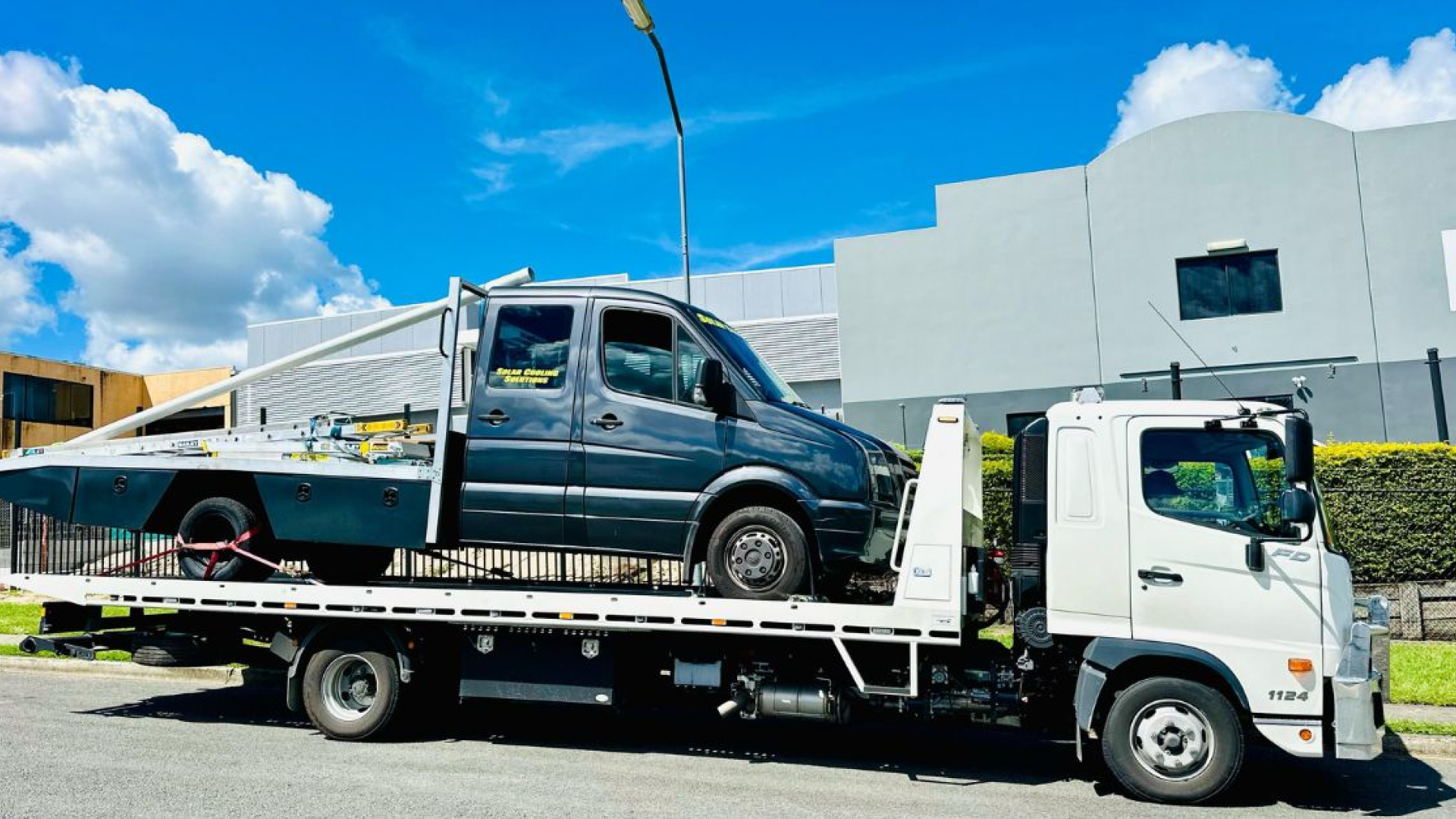
When your vehicle breaks down, is involved in an accident, or simply needs transportation, one of the most important questions is how it should be towed. Not all towing methods are the same, and choosing the right option can help protect your investment during transport.
For drivers in Marrero, Louisiana, understanding the difference between flatbed towing and wheel-lift towing makes it much easier to know what type of service to request when roadside trouble occurs.
A&Z Towing provides comprehensive towing and roadside assistance services throughout Marrero and nearby communities, including Harvey, Gretna, Westwego, Estelle, Bridge City, and Belle Chasse. Their expert team offers both emergency support and long-distance transport solutions designed to keep drivers and their vehicles moving safely.
Understanding the Basics of Flatbed Towing
Flatbed towing involves loading a vehicle completely onto a flat platform attached to the back of the tow truck. Once secured, all four wheels remain completely off the road surface during transport.
According to the team at A&Z Towing, flatbed setups represent the industry standard for damage-free vehicle transport. Because the entire vehicle rests flat on the truck bed, this method completely eliminates direct contact between your car’s tires and the road hazards below.
Benefits of Flatbed Towing
Zero Road Wear: All four wheels remain off the roadway, preventing unnecessary mechanical strain.
Maximum Hazard Protection: Reduced exposure to flying road debris, potholes, and rough terrain.
Specialized Care: Ideal for all-wheel drive (AWD) vehicles, luxury cars, and low-clearance sports models.
Versatility: Perfectly suited for both local trips and long-distance transport needs.
What Is Wheel-Lift Towing?
Wheel-lift towing is a modern evolution of the classic hook-and-chain method. Instead of chains that can scratch your bumper, this method uses a specialized metal yoke that fits securely under either the front or rear wheels of your vehicle.
Wheel-lift tow truck in action. Source: AAA Towing
A hydraulic lift hoists one end of the vehicle into the air, while the remaining two wheels stay firmly on the roadway. This approach is highly efficient and serves as a primary solution for quick clearance or maneuvering through tight urban spaces.
Benefits of Wheel-Lift Towing
Rapid Hookup: Fast loading and unloading times, which is essential for improving driver safety on busy roads.
Tight Space Maneuverability: Highly effective for pulling vehicles out of low-clearance parking garages or cramped parallel parking spaces.
Cost-Efficient: Often stands as a highly affordable towing option for local commutes.
Everyday Reliability: Exceptionally practical for standard, light-duty two-wheel-drive passenger vehicles.
Flatbed Towing vs. Wheel-Lift Towing: Key Differences
While both methods achieve the primary goal of safely moving your vehicle, they vary significantly across a few key areas.
Vehicle Position & Drivetrain Configuration
With flatbed towing, your vehicle rides parallel to the ground, elevated fully on the truck bed. This is an absolute necessity for all-wheel-drive and permanent four-wheel-drive systems.
Conversely, wheel-lift towing leaves one axle rolling on the pavement. If an AWD vehicle is towed this way without rolling dollies, it can cause catastrophic, expensive damage to the transmission and drivetrain.
Level of Physical Protection
Flatbed towing keeps your vehicle completely static, minimizing any risk of bumper scraping or suspension misalignment over long distances. Wheel-lift towing securely holds the lifted wheels, but the trailing tires absorb the bumps and dips of local streets.
Spatial Requirements for Loading
A flatbed truck requires ample horizontal space to lower its ramp and winch a car forward. If your vehicle is tightly hemmed in or stuck in a narrow alleyway, a wheel-lift truck can maneuver into position much more easily to initiate a quick hookup.
When Flatbed Towing Is the Better Choice
Certain scenarios demand the comprehensive protection that only a flatbed can provide.
Vehicles with Low Clearance or AWD Systems
If you drive a low-profile sports car or an SUV equipped with complex AWD machinery, flatbeds prevent front-lip scraping and transmission binding. It's also the default method used for safely transporting motorcycles without risk of tip-overs.
Post-Accident & Severe Recovery Situations
If your car has sustained heavy structural damage or suspension failure following a collision, rolling it on its own wheels isn't an option. In these circumstances, professional accident towing protocols rely heavily on flatbeds to safely haul the wreckage away.
Additionally, if your car has slid into a ditch or muddy embankment, operators will often perform a precise winch-out service before safely pulling it flat onto the truck deck.
When Wheel-Lift Towing Is Most Appropriate
Wheel-lift towing remains a vital, highly strategic option for many everyday roadside scenarios.
Short-Distance & Light-Duty Breakdowns
If your front-wheel-drive sedan suffers a mechanical failure just a few miles from home or your trusted auto shop, a wheel-lift unit provides a quick and practical transit option. It's an excellent choice for navigating standard light-duty towing needs across the West Bank.
Paralyzed or High-Traffic Areas
If you experience a breakdown on a busy highway, every second spent on the shoulder increases risk. The rapid attachment speed of a wheel-lift truck gets you and your car out of harm's way significantly faster than a flatbed loading cycle.
How Professional Tow Operators Choose the Right Method
When you call an experienced professional, you don't have to guess which truck to ask for. Reputable operators evaluate a strict checklist before dispatching their fleet:
Drivetrain Layout: Is the vehicle FWD, RWD, AWD, or 4WD?
Physical Condition: Are the wheels locked up, or is the suspension compromised?
Location Constraints: Is the vehicle trapped in a tight parking garage or stranded on an open highway shoulder?
Distance: How far does the vehicle need to travel to reach its destination?
By reviewing these details upfront, dispatchers ensure they provide the perfect vehicle and equipment for the job.
Frequently Asked Questions
Is flatbed towing always safer than wheel-lift towing?
For long distances or all-wheel-drive vehicles, flatbed towing is significantly safer because it eliminates drivetrain wear and protects against road debris. However, for short-distance, light-duty towing of two-wheel-drive cars, a properly executed wheel-lift tow is perfectly safe and highly efficient.
Can an all-wheel-drive (AWD) vehicle be towed by a wheel-lift truck?
Only if the operator uses specialized trailing dollies under the wheels left on the ground. Towing an AWD vehicle with two wheels rolling directly on the pavement can destroy the center differential and ruin the transmission. When in doubt, a flatbed is the preferred choice.
What information should I provide the towing company when I call?
To help dispatchers send the correct truck, make sure to share your exact location, the make and model of your vehicle, the nature of the breakdown, and whether your car is stuck in a confined space like a parking garage.
Trust Marrero’s Local Towing Professionals
No matter what type of vehicle you drive, matching it with the right towing equipment is paramount to keeping it safe. Working with a provider that brings deep local experience in Marrero ensures that your driver knows the quickest routes, traffic patterns, and exactly how to handle our local roadside conditions.
Whether you are dealing with an unexpected engine failure, a flat tire, or simply need an efficient vehicle transport solution, the team at A&Z Towing is ready to help. They operate a modern, diverse fleet equipped with both premium flatbeds and advanced wheel-lift trucks to handle any situation effortlessly.
Need fast, reliable assistance on the West Bank? Contact A&Z Towing right away to speak with a professional dispatcher and get the right tow truck headed your way.