Can You Request Towing if Your Vehicle Is Damaged but Still Starts?
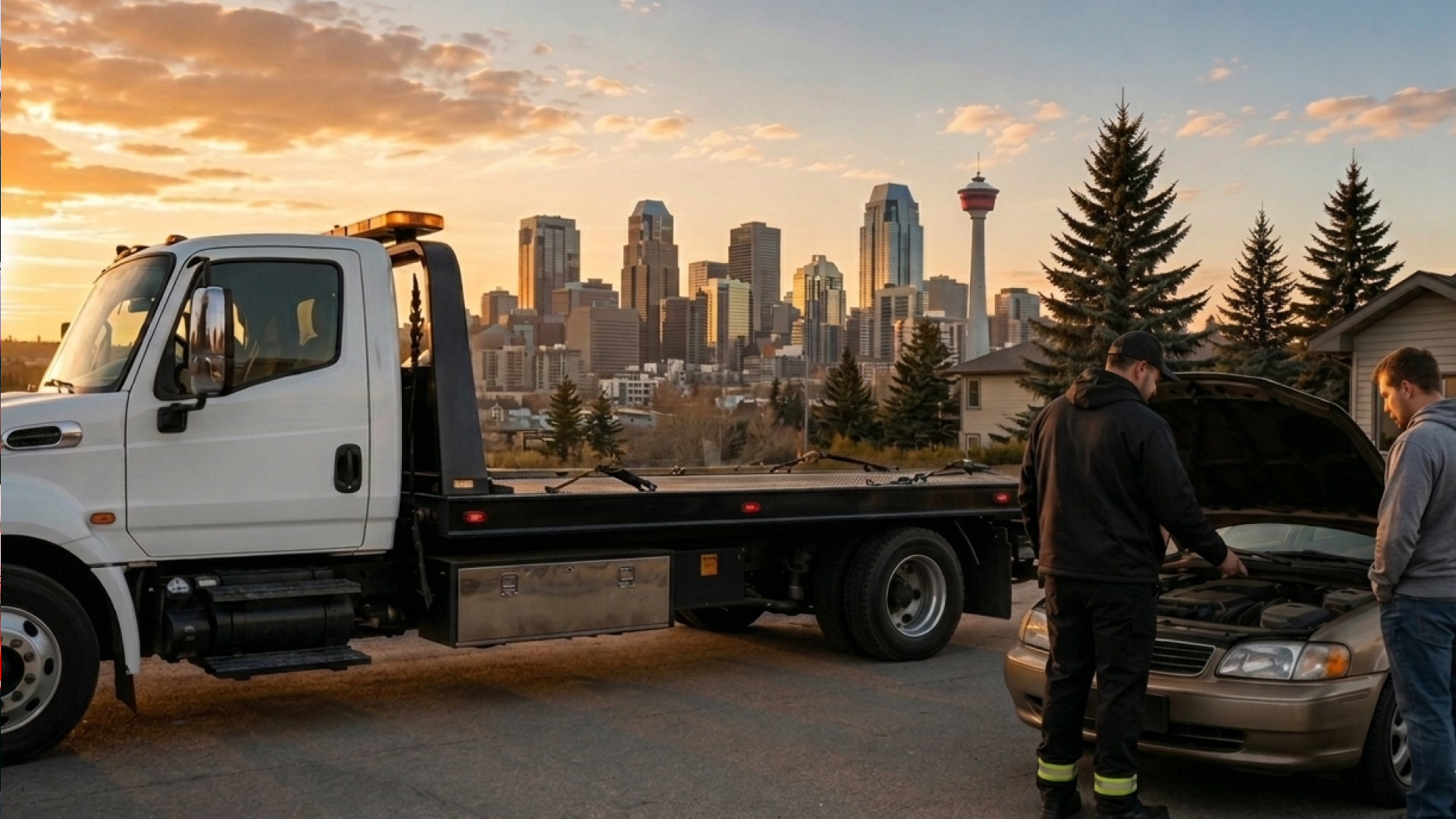
A damaged vehicle does not have to stop running before you can request a tow. In fact, driving a vehicle that starts and moves but has suffered mechanical, electrical, tire, suspension, steering, brake, or collision damage can create additional risks.
After an accident or sudden breakdown, many drivers face the same question: “My car still starts, so do I really need a tow truck?” The answer depends on the type and severity of the damage, how the vehicle handles, and whether it can be safely driven to your destination.
A vehicle may start normally while still having damage that affects braking, steering, wheel alignment, suspension, tires, fluid systems, or other components. Some problems are obvious immediately. Others become worse after the vehicle is driven several miles.
This guide explains when towing makes sense for a damaged but running vehicle, what warning signs to look for, how professional towing can reduce additional damage, and what information to provide when requesting assistance in Marrero, Harvey, Gretna, Westwego, and surrounding Louisiana areas.
Can You Tow a Vehicle That Still Starts?
Yes. A vehicle does not need to be completely disabled to qualify for towing.
A tow truck can be requested when a vehicle starts but is unsafe, unreliable, damaged, or unsuitable for continued driving. This commonly happens after collisions, mechanical failures, tire damage, overheating, suspension problems, or situations where the driver is unsure whether continued driving could make the problem worse.
Starting is only one part of determining whether a vehicle is roadworthy.
Why Starting Does Not Mean a Vehicle Is Safe to Drive
A car can start even when important systems have been damaged.
For example, an engine may start normally after a collision while the front suspension, steering components, radiator, tire, or wheel have been damaged. The vehicle may move under its own power, but that does not automatically mean it should be driven on public roads.
Consider a car with a damaged tire. The engine starts, the transmission engages, and the vehicle moves. If the tire has a sidewall failure or the wheel is damaged, however, driving could create a separate safety problem.
The same principle applies to steering, brakes, suspension, and fluid leaks. The ability to move is not the same as the ability to move safely.
When Should You Request Towing for a Damaged Vehicle?
A tow is worth considering when there is a reasonable concern that driving could be unsafe or cause additional damage.
You should avoid driving and consider requesting towing if you notice:
Difficulty steering or keeping the vehicle straight
Weak, unusual, or inconsistent braking
A severely damaged or flat tire
A bent wheel or visibly damaged suspension
Significant fluid leaking underneath the vehicle
Smoke or a burning smell
Engine overheating
Severe shaking or vibration
Unusual grinding, scraping, or knocking
Parts hanging underneath the vehicle
Damage affecting headlights, taillights, mirrors, or other safety equipment
A collision that may have affected the vehicle's structure
Warning lights accompanied by unusual vehicle behavior
Damage that makes you uncertain about whether the vehicle is safe to drive
If the vehicle is stopped in a dangerous location, move to a safer place only if you can do so without putting yourself or others at risk.
After an Accident
Collision damage is one of the clearest situations where a vehicle that still starts may need accident towing.
A crash can damage components that are not immediately visible. A vehicle might start and idle normally while having damage to its steering, suspension, wheel, cooling system, exhaust, or undercarriage.
Trying to drive away simply because the engine starts can turn a manageable situation into a more serious problem.
After a significant collision, inspect the vehicle only from a safe position. If you notice leaking fluids, damaged wheels, deployed airbags, severe body damage, steering problems, or other concerning signs, professional towing is a safer option than attempting to continue driving.
When the Vehicle Drives but Handles Differently
Changes in handling deserve attention.
If the vehicle suddenly pulls to one side, the steering wheel sits at an unusual angle, the vehicle feels unstable, or you hear repeated noises from a wheel, continued driving may not be appropriate.
These symptoms can be associated with tire, wheel, steering, alignment, or suspension problems. A tow can get the vehicle to a repair facility without requiring you to test how far it can travel under damaged conditions.
Damaged but Drivable vs. Safe to Drive
The phrase “drivable” can be misleading.
A vehicle is technically drivable if it can move under its own power. That does not necessarily mean it is safe for normal road use.
The decision should be based on vehicle condition, safety, and the nature of the damage, not simply whether the engine starts.
What Damage Can Make a Running Vehicle Unsafe?
Several types of damage can make towing the more sensible choice.
Tire and Wheel Damage
Tires are the vehicle's contact with the road. A damaged tire, exposed internal material, major sidewall damage, or severely bent wheel can affect control.
Do not assume that a tire is safe simply because it still contains air.
If a collision involves a curb, pothole, another vehicle, or road debris, the wheel and suspension may also have suffered damage.
Steering and Suspension Damage
Steering and suspension problems can affect the driver's ability to control the vehicle.
Warning signs include:
Pulling sharply to one side
A steering wheel that feels loose
Unusual steering resistance
Excessive bouncing
One corner of the vehicle sitting lower than the others
Clunking or grinding from the suspension
A wheel that appears to sit at an unusual angle
These conditions can make continued driving risky.
Brake Damage
Brake problems should be treated seriously.
If the brake pedal feels unusually soft, sinks toward the floor, produces unusual noises, or the vehicle does not stop as expected, do not use the vehicle as though nothing is wrong.
A vehicle that starts and accelerates normally can still have a serious braking problem.
Fluid Leaks and Overheating
A leak underneath the vehicle can indicate anything from a minor issue to a serious mechanical problem. Large or unfamiliar leaks should not be ignored.
Overheating is another reason to stop and assess the situation. Continuing to operate an overheating engine can potentially cause additional mechanical damage.
If the temperature warning appears, steam is visible, or the vehicle is overheating, pull over safely and arrange appropriate assistance rather than repeatedly restarting the vehicle and continuing the trip.
Is It Better to Drive a Damaged Vehicle to a Repair Shop?
Not always.
If the damage is strictly cosmetic and the vehicle continues to operate normally, driving to a repair facility may be reasonable. A different approach makes sense when the damage affects a safety-critical system.
Ask These Questions Before Driving
Before deciding to drive, consider:
Does the vehicle steer normally?
Do the brakes feel normal?
Are the tires and wheels visibly intact?
Is anything leaking?
Is the engine temperature normal?
Are there unusual sounds, smells, vibrations, or warning lights?
Did the vehicle recently experience a collision?
Is anything hanging beneath the vehicle?
Does the vehicle accelerate and stop normally?
Would you feel comfortable driving the vehicle in normal traffic?
If you cannot confidently answer these questions, requesting a tow can eliminate the need to make a risky guess.
How Professional Towing Helps Protect a Damaged Vehicle
Professional towing is not only about moving a vehicle that cannot start.
A damaged vehicle may need to be transported in a way that minimizes additional stress on already compromised components. The appropriate towing method depends on the vehicle, its condition, drivetrain, damage, and available equipment.
Flatbed Towing for Damaged Vehicles
Flatbed towing places the vehicle onto a platform rather than requiring it to travel with its wheels rolling on the road.
This can be useful for vehicles with certain types of collision, wheel, drivetrain, or suspension damage. It can also provide a practical transportation option when the vehicle should not be driven under its own power.
The towing professional can assess the vehicle and determine how it should be loaded based on its condition and the equipment available.
Light-Duty Towing
Many passenger cars, SUVs, and other smaller vehicles fall into the light-duty towing category.
The right equipment and loading method depend on the vehicle and its damage. A professional towing operator can take these factors into account instead of treating every disabled vehicle the same way.
What Should You Tell the Towing Company?
Accurate information helps the towing company understand the situation before arriving.
When requesting assistance, explain:
Your exact location
Your vehicle's make, model, and approximate size
Whether the vehicle starts
Whether it moves
What happened
Where the vehicle is damaged
Whether the vehicle was involved in an accident
Whether the tires are damaged
Whether the steering or brakes are affected
Whether there are fluid leaks
Whether the vehicle is in a safe location
Your intended destination, if known
For example, instead of saying, “My car is damaged but it still runs,” you could explain, “My SUV starts, but the front passenger wheel is damaged after hitting a curb and the steering feels abnormal.”
That description gives the towing provider much more useful information.
What to Do While Waiting for a Tow Truck
Once you have requested assistance, focus on staying safe.
Move Away From Traffic When Possible
If the vehicle can be moved safely and doing so does not worsen the problem, getting out of an active traffic lane may reduce exposure to passing vehicles.
Do not attempt to move a seriously damaged vehicle simply because you want it out of the way. Personal safety comes first.
Use Hazard Lights
Hazard lights can make a disabled or damaged vehicle easier for approaching drivers to recognize.
At night or in poor visibility, take extra care around traffic.
Do Not Attempt Risky Repairs
A roadside emergency is not the right time to crawl underneath a vehicle, work around damaged suspension components, or attempt repairs in active traffic.
If professional assistance has been requested, wait in a safe location whenever possible.
Common Misconceptions About Towing Damaged Vehicles
Several assumptions can lead drivers to continue operating a vehicle that should be inspected or transported.
“If It Starts, It Is Fine.”
Starting only tells you that the engine can start. It does not confirm that the brakes, steering, suspension, tires, wheels, drivetrain, or other systems are safe.
“The Damage Is Only on the Outside.”
Visible body damage can sometimes hide problems underneath. After a collision, unusual handling, fluid leaks, or mechanical symptoms deserve attention even if the engine sounds normal.
“I Only Need to Drive a Few Miles.”
A short distance does not automatically make an unsafe vehicle safe. A damaged tire, brake problem, overheating engine, or steering issue can create a problem immediately.
“Towing Is Only for Vehicles That Cannot Move.”
Towing is also used for vehicles that can move but should not be driven because of their condition.
That distinction is especially useful after accidents and mechanical failures.
How to Decide: Drive or Tow?
There is no universal rule that every damaged vehicle must be towed. The decision depends on the type and severity of the damage.
A useful way to think about it is:
If the damage affects a safety-critical system, you should strongly consider towing rather than testing the vehicle on the road.
Safety-critical areas include steering, braking, tires, wheels, suspension, visibility, and major mechanical systems.
If the damage is limited to minor cosmetic issues and the vehicle otherwise operates normally, towing may not be necessary.
When you are uncertain, describing the symptoms to a professional towing provider can help you determine what type of assistance is appropriate.
Towing Assistance for Drivers in Marrero and Nearby Louisiana Areas
A&Z Towing LLC provides 24/7 towing and roadside assistance for drivers dealing with vehicle breakdowns, accidents, tire problems, dead batteries, lockouts, vehicle recovery situations, and other roadside emergencies.
Service is available in Marrero, Harvey, Gretna, Westwego, and surrounding Louisiana areas.
For a vehicle that starts but has suffered damage, the key question is not simply whether the engine runs. The more useful question is whether the vehicle can be operated safely without risking additional damage or creating a hazard for the driver and other road users.
Professional towing can provide a practical transportation option when the vehicle should be inspected or repaired before returning to normal driving.
Conclusion
A damaged vehicle can still start and still need a tow. Engine operation does not tell you whether the tires, brakes, steering, suspension, wheels, cooling system, or other important components are safe.
After an accident or mechanical problem, pay attention to changes in handling, unusual sounds, leaks, overheating, warning lights, damaged tires, and braking or steering problems. If a safety-critical component appears damaged, avoiding continued driving and requesting professional towing can help reduce unnecessary risk.
The goal is not to tow every vehicle with a scratch or dent. It is to recognize the difference between a vehicle that is simply damaged and one that may be unsafe to operate. When that distinction is unclear, getting professional assistance is often a better option than discovering the answer while driving.
Frequently Asked Questions
Can you tow a car that still starts?
Yes. A vehicle can be towed even when the engine starts and the vehicle can move. Towing may be appropriate when collision damage, tire problems, steering issues, brake concerns, suspension damage, or mechanical problems make continued driving unsafe.
Is it safe to drive a car after an accident if it still starts?
Not necessarily. A vehicle may have hidden damage affecting steering, suspension, brakes, wheels, tires, or other systems. If handling has changed or safety-related components appear damaged, consider having the vehicle towed and inspected.
Can a damaged vehicle be towed to a repair shop?
Yes. Towing a damaged vehicle directly to a repair shop is a common option when driving it could create additional risk or damage. Tell the towing provider what happened and describe any problems with the tires, steering, brakes, or other components.
Should I tow my car if the steering feels different after hitting something?
Yes, towing is worth considering if the steering suddenly feels loose, pulls strongly, becomes difficult to control, or behaves differently after hitting an object. These symptoms may indicate damage involving the wheel, tire, steering, suspension, or alignment.
Can a car with a flat or damaged tire be towed even if it starts?
Yes. Engine operation does not make a severely damaged tire safe. If a tire has significant damage or the wheel may be affected, roadside assistance or towing can provide a safer alternative to driving on it.
Is flatbed towing useful for a damaged vehicle?
Flatbed towing can be useful for many damaged vehicles because the vehicle is transported on a flat platform rather than relying on its wheels to travel on the road. The appropriate towing method depends on the vehicle and the type of damage.
What information should I provide when requesting a tow for a damaged car?
Provide your location, vehicle make and model, whether it starts and moves, what caused the damage, the affected area, and any symptoms such as steering problems, unusual noises, fluid leaks, brake issues, or tire damage. Clear details help the towing provider prepare appropriately.
Can I request roadside assistance if my vehicle starts but has a mechanical problem?
Yes. Roadside assistance is not limited to vehicles that completely stop running. Depending on the problem, assistance may include troubleshooting, battery help, tire assistance, or towing when the vehicle should not continue being driven.
What should I do if my damaged vehicle is stopped in traffic?
Prioritize personal safety and avoid standing near moving traffic. If the vehicle can be moved safely without worsening the problem, move it away from active traffic when possible. Use hazard lights and request appropriate roadside or towing assistance.
How do I know whether to drive a damaged vehicle or request a tow?
Consider whether the damage affects steering, braking, tires, wheels, suspension, visibility, engine temperature, or other safety-critical systems. If the vehicle handles differently, leaks fluids, overheats, or has serious collision damage, towing is generally the safer option to consider.