What Information Should You Provide When Calling a Tow Truck?
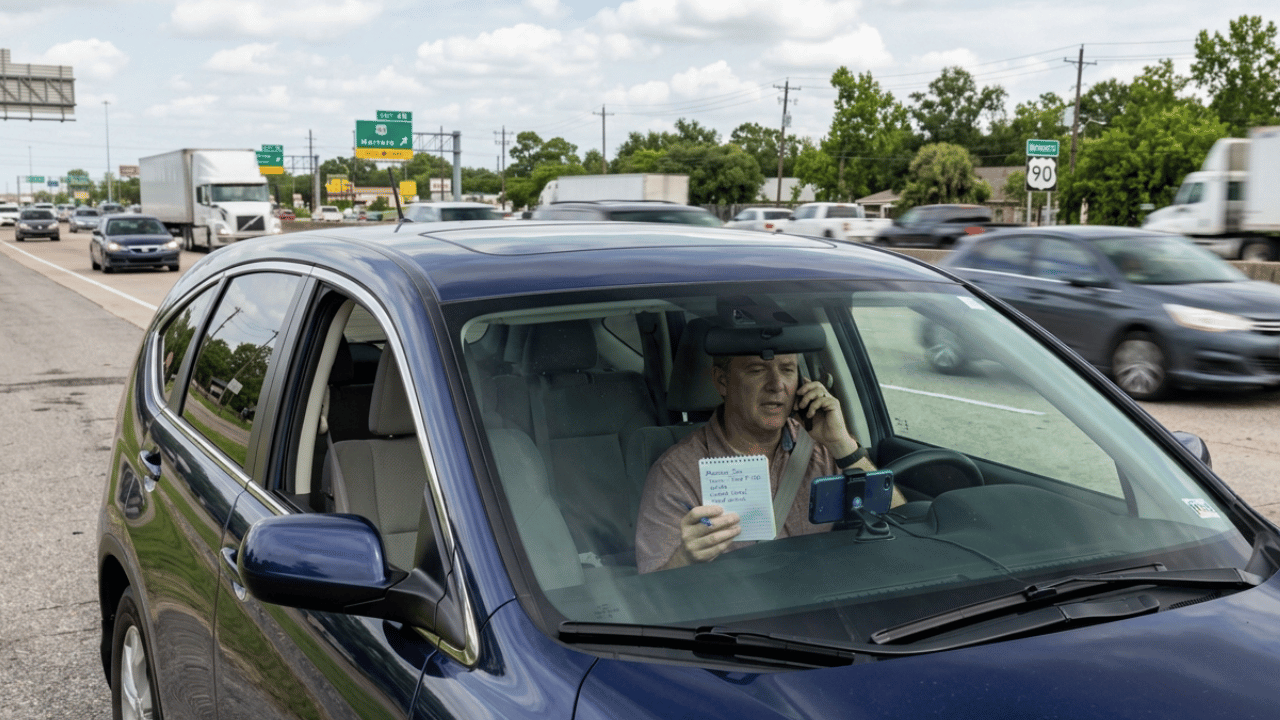
Vehicle breakdowns, sudden accidents, and unexpected roadside emergencies can strike at any moment. During these high-stress situations, knowing exactly what information to give your towing operator can dramatically speed up response times and guarantee that the right specialized truck arrives to assist you.
For drivers across Marrero, Louisiana, being prepared with a small handful of key details transforms a chaotic roadside breakdown into an efficient, safe recovery process.
A&Z Towing provides reliable, 24/7 emergency roadside support and vehicle transport solutions across Marrero and its surrounding West Bank neighbors, including Harvey, Gretna, Westwego, Estelle, Bridge City, and Belle Chasse. Having your details organized beforehand ensures a seamless experience when you call for assistance.
Why Accurate Information Matters to a Dispatcher
A professional towing dispatcher does much more than just write down your name. They analyze your scenario to determine the weight class of the tow vehicle needed, the necessary safety gear, and the strategic positioning required to extract your car without adding further mechanical damage.
Providing immediate, highly accurate details helps you:
Get the Correct Truck on the First Try: Prevents a light-duty truck from arriving when a heavy-duty platform or recovery winch is required.
Accelerate Response Speed: Streamlines routing so help arrives as fast as safely possible.
Maximize Roadside Safety: Allows operators to understand traffic risks before pulling up to your location.
Avoid Financial Surprises: Clear problem assessments result in transparent, highly accurate service estimates.
5 Critical Details to Have Ready Before You Call
When you dial for a local tow truck, having these five specific categories of information prepared will ensure an optimal dispatch sequence.
1. Your Pinpoint Location
Saying "I am somewhere on the West Bank" leaves too much room for error. If you cannot provide a precise physical street address, look out for these surrounding markers:
Cross streets and major intersections
Highway numbers, exit numbers, or roadside mile markers
Visible landmarks, business storefronts, or prominent signage
Pro Tip: Open up your smartphone’s mapping application (such as Google Maps or Apple Maps). Drop a temporary pin on your exact spot to read the coordinate text or closest estimated street address to read aloud to the operator.
2. Full Vehicle Description
Towing operators deal with hundreds of unique structural designs daily. Always specify:
Year, make, and model (e.g., 2021 Ford Explorer)
Vehicle exterior color
Drivetrain setup (front-wheel drive, rear-wheel drive, or all-wheel/four-wheel drive)
This information dictates whether a flatbed or a wheel-lift configuration is ideal, protecting your vehicle's transmission from serious mechanical stress during transport.
3. Clear Assessment of the Problem
Clearly explain what caused the vehicle to stop running. If it is a simple fix, the operator might be able to offer direct emergency roadside assistance to get you driving immediately without a full tow.
Is the engine completely dead? You may just need a professional battery jumpstart.
Do you have a shredded tire? Inform them if you need a rapid flat tire change.
Did you mistakenly lock your keys inside? Request dedicated car lockout services instead.
4. Current State of the Vehicle
Let the dispatcher know if the wheels are locked up, if the steering column is frozen, or if the car is currently immobilized off the pavement. If you went off the road due to slick weather, you will need to explicitly request a specialized winch-out recovery service to safely retrieve the vehicle before it can be loaded.
5. Final Drop-Off Destination
Know exactly where you want your vehicle taken before the truck hooks up. Common destinations include:
Your primary residential driveway
A local certified automotive repair shop
A specific car dealership service bay
Crucial Steps for Roadside Safety While Waiting
While you wait for your tow vehicle to arrive, personal safety should remain your number one priority. Implementing proper behavioral protocols keeps you and other drivers out of danger.
1.Move to the shoulder if possible:Safety First.
If your vehicle is still slightly mobile, safely coast it completely off the active driving lanes and onto the widest part of the shoulder.
2.Activate hazard warnings:Visibility.
Flip on your hazard flashers immediately. If you have reflective roadside triangles or road flares, deploy them safely behind your bumper to give oncoming drivers early warning.
3.Assess the safety of your surroundings:Stay Protected.
If your car stalls out on a high-speed highway lane, it is often safer to exit the vehicle carefully and stand well past the guardrail. For detailed safety protocols, read our breakdown safety guide.
4.Keep your phone line completely clear:Maintain Communication.
Avoid making non-essential calls while waiting. The incoming tow truck operator or dispatcher may need to dial your number for location adjustments or to provide an immediate arrival update.
Frequently Asked Questions
Do I have to stay directly inside my vehicle while waiting?
Only if it is safely tucked away from traffic in a secure parking area or wide shoulder. If your vehicle is stranded on a tight highway corridor or in an active traffic lane, exit carefully and wait on the far side of the road shoulder or behind a safety barrier to avoid a potential rear-end collision.
What happens if I don't know my vehicle's drivetrain type?
Don't worry—just provide our dispatch team with the exact year, make, and model of your vehicle. Our trained specialists can instantly verify your drivetrain specifications using our digital databases to determine the appropriate equipment required.
Can a towing company bring me fuel if I am stranded?
Yes! Most full-service towing operations provide emergency roadside fuel delivery services to bring a few gallons of gasoline or diesel directly to your location, saving you the hassle of a full vehicle tow.
Dependable Roadside Assistance in Marrero, LA
When the unexpected happens on the road, staying calm and providing concise, accurate details to your tow operator is the fastest path to safety. Partnering with a reliable, local team ensures that you receive prompt assistance from professionals who understand the regional roadways intimately.
Whether you are dealing with a routine mechanical issue, need a long-distance transport, or require heavy-duty recovery assistance, A&Z Towing is standing by to assist around the clock.
Stranded and need a hand? Contact our dispatch team 24 hours a day, 7 days a week, and we will get the exact truck you need on the road immediately.