How Emergency Fuel Delivery Services Work
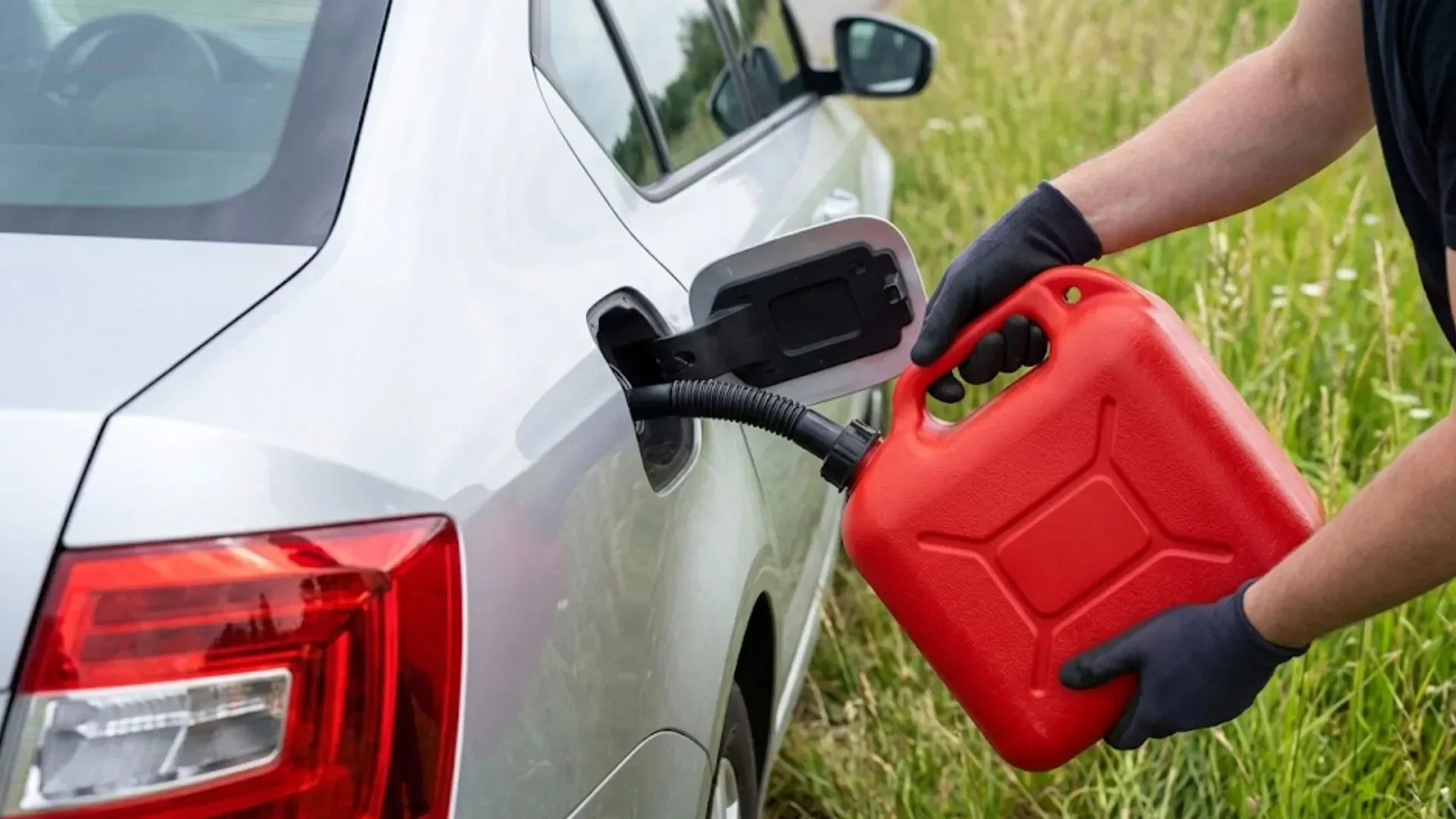
Running out of fuel can leave you stranded at the worst possible time. You might be heading home after work, traveling through an unfamiliar area, or sitting on the side of the road when the engine suddenly stops. When there is no convenient gas station nearby, emergency fuel delivery can seem like the simplest solution.
Fuel delivery services are designed to help drivers who have run out of fuel and cannot conveniently reach a gas station. Instead of leaving the vehicle behind and walking for fuel, a roadside service provider may be able to bring fuel directly to the vehicle, depending on the services available in the area.
Understanding how emergency fuel delivery works can help you know what information to provide, what to expect, and when towing or another type of roadside assistance may be necessary.
Quick Answer
Emergency fuel delivery is a roadside service that can bring fuel to a stranded vehicle when the driver has run out of gas or diesel. The driver provides the vehicle's location and fuel information, and the service provider determines whether fuel delivery is available. If the vehicle has another problem, towing or additional roadside assistance may be needed.
Key Takeaways
Emergency fuel delivery can help when a vehicle runs completely out of fuel.
Drivers should provide their exact location when requesting assistance.
Tell the provider whether the vehicle uses gasoline or diesel.
Running out of fuel does not automatically mean the vehicle needs to be towed.
A vehicle with another mechanical problem may require different roadside assistance.
Drivers should avoid walking along dangerous roads to find fuel.
Do not continue trying to drive a vehicle after it has run out of fuel.
Always follow the vehicle manufacturer's recommendations when dealing with fuel-related problems.
What Is Emergency Fuel Delivery?
Emergency fuel delivery is a roadside assistance service intended for situations where a vehicle has run out of fuel.
Instead of abandoning the vehicle and finding a way to transport fuel yourself, you can contact a roadside assistance provider and explain the situation.
If the provider offers fuel delivery in your area, a service vehicle may bring an appropriate amount of fuel to your location.
The goal is straightforward: get enough fuel to allow the vehicle to start and continue to a suitable fuel station or other destination.
Fuel delivery is different from towing
If the only problem is an empty fuel tank, transporting the entire vehicle may not be necessary.
For example, if your car runs out of gas on the side of the road but otherwise operates normally, fuel delivery may resolve the immediate problem.
However, if the vehicle ran out of fuel because it also has a mechanical or electrical problem, simply adding fuel may not get it running.
In that situation, additional roadside assistance or towing may be necessary.
How Emergency Fuel Delivery Typically Works
The exact process can vary depending on the roadside assistance provider, location, vehicle, and circumstances.
Generally, the process starts with contacting the service provider and explaining that the vehicle has run out of fuel.
Step 1: Provide your location
Your exact location is one of the most important details.
Tell the provider:
Street name.
Address, if available.
Highway number.
Exit number.
Direction of travel.
Nearby intersection.
Nearby business or landmark.
Parking lot or property name.
If you are on a highway, mention your direction of travel and the nearest exit or recognizable landmark.
The more clearly you can describe where the vehicle is located, the easier it is for the service provider to identify the location.
Step 2: Explain what happened
Tell the provider that the vehicle has run out of fuel.
Also explain whether the vehicle:
Stopped while driving.
Is parked safely.
Is blocking traffic.
Is on the shoulder.
Is in a parking lot.
Is in another difficult location.
If there is another problem with the vehicle, mention that as well.
Step 3: Identify the fuel type
Tell the provider whether the vehicle uses gasoline or diesel.
This is important because the wrong fuel can create a completely different vehicle problem.
If you are unsure what fuel your vehicle uses, check the vehicle's fuel door, owner's manual, or other manufacturer information rather than guessing.
Step 4: Provide vehicle information
Give the vehicle's:
Make.
Model.
Color.
Approximate year, if known.
License plate information, when useful.
This can help the service provider identify the correct vehicle when they arrive.
Step 5: Wait in a safe location
Once assistance has been arranged, focus on staying safe.
If your vehicle is in a dangerous location, avoid standing directly beside moving traffic.
Turn on hazard lights when appropriate and follow appropriate roadside safety practices.
Why Exact Location Matters
Running out of fuel is inconvenient anywhere, but the location can make the situation more difficult.
A driver who runs out of fuel in a parking lot may have easy access to the vehicle.
Someone who runs out of fuel on a busy highway may be dealing with a much more serious roadside safety situation.
Give more than just the road name
If possible, provide details such as:
"I'm on the highway near Exit 12, traveling east, and I'm stopped on the right shoulder."
That is much more useful than simply saying:
"I'm on the highway."
If you are using a navigation app, your phone may also provide a location that can help you communicate your position.
What Happens After Fuel Is Delivered?
Once fuel is delivered, the vehicle may be able to start normally.
However, that does not always mean the situation is completely resolved.
If the vehicle starts and operates normally, you may be able to continue to a fuel station and refill the tank.
If the vehicle still does not start, there may be another problem.
The vehicle may have another issue
For example, the vehicle could have:
A weak or dead battery.
A mechanical problem.
An electrical issue.
Another reason for not starting.
If adding fuel does not solve the problem, tell the roadside assistance provider.
The vehicle may require a jump start, additional roadside assistance, or towing.
What If You Run Out of Fuel on a Highway?
Running out of fuel on a highway can be particularly stressful because of surrounding traffic.
If the vehicle begins losing power, focus on maintaining control and moving toward a safer position if possible.
Once stopped, avoid unnecessary movement around the vehicle.
Prioritize roadside safety
If the vehicle is on the shoulder, stay aware of passing traffic.
If it is in an active traffic lane or another dangerous position, communicate that immediately when requesting assistance.
Do not walk long distances beside a busy highway simply because you believe there is a gas station nearby.
Should You Walk to Get Fuel?
Walking to the nearest gas station may seem like the obvious solution, but it is not always safe.
The nearest station may be farther away than expected, and there may not be a safe pedestrian route.
Walking beside a busy road can expose you to moving traffic.
Consider your surroundings
Before leaving the vehicle, think about:
Traffic volume.
Road conditions.
Weather.
Time of day.
Lighting.
Distance to the nearest station.
Whether a safe pedestrian route exists.
If walking would put you at risk, stay in a safe location and seek professional assistance.
What If You Put the Wrong Fuel in the Vehicle?
Putting the wrong fuel in a vehicle is different from simply running out of fuel.
For example, a vehicle designed for gasoline should not be operated after diesel has been added, and vice versa.
If you realize that you have put the wrong fuel in your vehicle, do not assume that adding the correct fuel will solve the problem.
Don't start or continue driving
If you have used the wrong fuel, follow the vehicle manufacturer's guidance and seek appropriate professional assistance.
The appropriate solution can depend on the vehicle and circumstances.
Tell the roadside assistance provider exactly what happened.
What If Your Vehicle Runs Out of Fuel and Won't Start?
If the vehicle does not start after the appropriate fuel has been added, there may be another issue.
Do not keep repeatedly attempting to start the vehicle without understanding what is happening.
Tell the roadside assistance provider that fuel has been added but the vehicle still will not start.
A jump start or towing service may be appropriate depending on the problem.
A&Z Towing provides jump starts, emergency towing, light-duty towing, flatbed towing, and vehicle recovery as part of its listed services.
Does Every Towing Company Offer Fuel Delivery?
No.
Fuel delivery is not automatically included with every towing or roadside assistance provider.
Services vary between companies and locations.
This is important when searching for help after running out of fuel.
Ask what assistance is available
When contacting a provider, explain that the vehicle has run out of fuel and ask what options are available.
If fuel delivery is not offered, the provider may be able to explain whether another roadside service or towing option is available.
For A&Z Towing specifically, its website lists roadside assistance services such as jump starts, tire changes, and vehicle lockout assistance, along with emergency towing, light-duty towing, flatbed towing, and vehicle recovery. Fuel delivery is not listed among its services, so drivers should contact A&Z Towing directly to confirm whether fuel-related assistance is currently available.
How to Prevent Running Out of Fuel
The best fuel emergency is the one you avoid.
Running out of fuel is often preventable with a little planning.
Don't ignore the low-fuel warning
When the fuel warning appears, start planning your next fuel stop rather than assuming you can continue indefinitely.
Refuel before long trips
Before a longer journey, check the fuel level and consider where you can stop along the route.
Don't rely completely on the estimated range
Many vehicles display an estimated number of miles remaining.
That figure is an estimate and can change with traffic, driving conditions, and other factors.
Be more cautious in unfamiliar areas
If you are traveling somewhere new, do not assume a fuel station will always be nearby.
Refueling when you have a convenient opportunity can give you more flexibility.
Common Mistakes After Running Out of Fuel
Continuing to drive
Once the vehicle has completely run out of fuel, continuing to drive is not a solution.
Walking along a dangerous highway
Do not put yourself at risk trying to find fuel on foot.
Guessing the fuel type
If you are unsure whether your vehicle uses gasoline or diesel, verify it before adding fuel.
Repeatedly trying to start the vehicle
If the vehicle remains unable to start after the appropriate fuel has been added, there may be another problem.
Giving an unclear location
A vague location can make it harder for roadside assistance to find you.
Frequently Asked Questions
How does emergency fuel delivery work?
Emergency fuel delivery generally involves contacting a roadside assistance provider, providing your location and vehicle information, and explaining that the vehicle has run out of fuel. If fuel delivery is available, the provider can bring fuel to the vehicle.
Can a tow truck bring fuel to my car?
Some towing and roadside assistance providers offer fuel delivery, but not every company does. Ask the provider what fuel-related assistance is available before assuming delivery is included.
What information should I give when requesting fuel delivery?
Provide your exact location, vehicle make and model, fuel type, and details about what happened. Mention whether the vehicle is on a highway, in a parking lot, or in another difficult location.
What should I do if my car runs out of gas on the highway?
Maintain control, move to a safe location if possible, turn on hazard lights when appropriate, and contact roadside assistance. Avoid walking beside active highway traffic to find fuel.
Should I walk to the nearest gas station?
Not necessarily. If there is no safe pedestrian route or you are near heavy traffic, walking may create additional risks. Consider professional roadside assistance instead.
What if my car still won't start after fuel is added?
There may be another problem with the vehicle. Tell the roadside assistance provider that fuel has been added but the vehicle still will not start. The vehicle may need additional roadside assistance or towing.
Can running out of fuel damage my car?
Running out of fuel can leave you stranded, but the more important concern is determining whether another problem is preventing the vehicle from starting after fuel is restored. If the vehicle still will not start, have the problem assessed rather than repeatedly attempting to drive it.
What if I put the wrong fuel in my car?
Do not continue driving. Follow the vehicle manufacturer's guidance and seek appropriate professional assistance. Tell the provider exactly what type of fuel was added.
Does every roadside assistance company provide fuel delivery?
No. Services vary between providers. Always confirm whether fuel delivery is available when requesting assistance.
Does A&Z Towing provide fuel delivery?
A&Z Towing's website lists roadside services including jump starts, tire changes, and vehicle lockout assistance, along with emergency towing, light-duty towing, flatbed towing, and vehicle recovery. Fuel delivery is not listed as a service, so customers should contact A&Z Towing directly to confirm whether fuel-related assistance is available.
Can I call roadside assistance if I run out of fuel?
Yes, you can contact a roadside assistance provider and explain that your vehicle has run out of fuel. The provider can tell you what assistance is available for your situation.
Can I get my car towed if I run out of fuel?
If fuel delivery is unavailable or the vehicle cannot safely continue for another reason, towing may be an option. Explain the situation to the towing provider so they can determine the appropriate service.
When to Call A&Z Towing
Running out of fuel can be frustrating, particularly when you are far from home or stopped somewhere with heavy traffic.
When requesting assistance, provide your exact location, vehicle information, fuel type, and details about what happened. If the vehicle has another problem in addition to an empty tank, mention that as well.
A&Z Towing provides 24/7 emergency towing and roadside assistance in Marrero and surrounding Louisiana communities. Its listed services include emergency towing, light-duty towing, flatbed towing, vehicle recovery, jump starts, tire changes, and vehicle lockout assistance.
Fuel delivery is not currently listed among A&Z Towing's services, so drivers who have run out of fuel should contact the company directly to confirm what assistance is available for their particular situation.
Conclusion
Running out of fuel can happen even when you normally plan your trips carefully. A low-fuel warning, unexpected traffic, a detour, an unfamiliar route, or simply forgetting to refuel can quickly turn an ordinary drive into a roadside problem.
Emergency fuel delivery, when offered by a roadside assistance provider, can bring fuel directly to a stranded vehicle and may allow the driver to continue without needing a tow. However, not every towing company provides fuel delivery, and an empty tank may not be the only reason a vehicle will not start.
If you run out of fuel, prioritize your safety, provide your exact location, identify the correct fuel type, and explain the situation clearly. Avoid walking beside dangerous roads or attempting to continue driving without fuel.
If the vehicle has another problem or cannot safely continue, professional towing may be necessary. A&Z Towing provides emergency towing, roadside assistance, vehicle recovery, and other services throughout Marrero and surrounding Louisiana communities.