Vehicle Recovery vs. Standard Towing: What's the Difference?
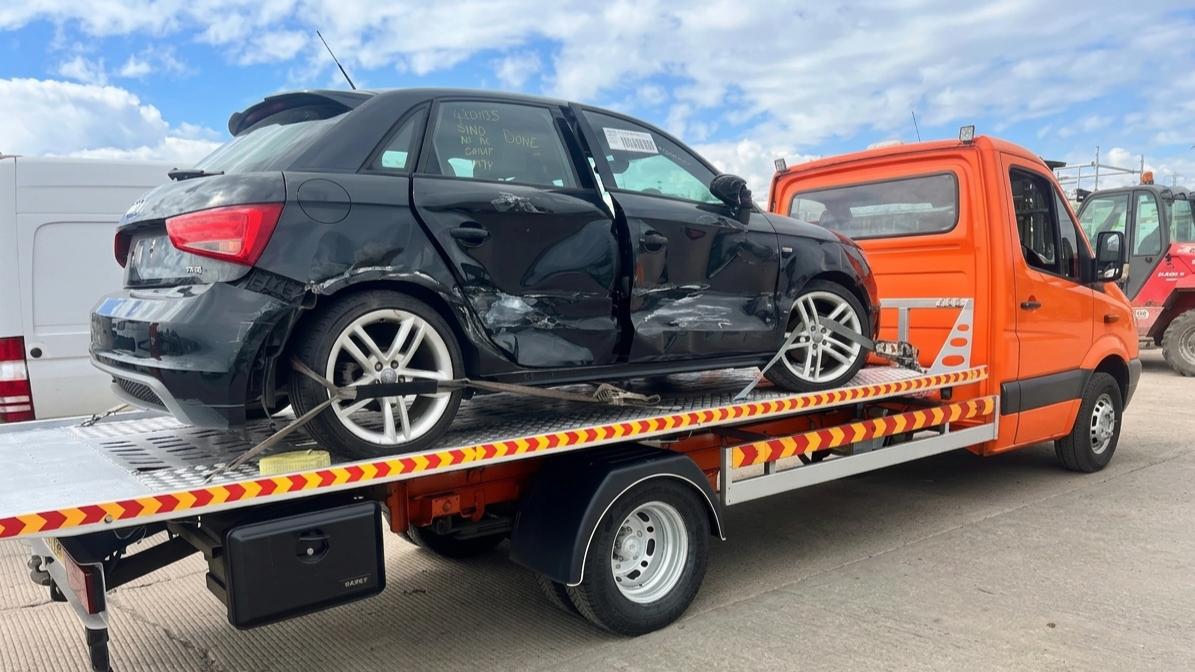
When a vehicle needs professional help, it is easy to assume that every situation simply requires a tow truck. In reality, vehicle recovery and standard towing are not always the same thing.
Standard towing generally involves moving a vehicle from one location to another when the vehicle can be loaded and transported using conventional towing equipment. Vehicle recovery, on the other hand, is typically needed when a vehicle is stuck, difficult to access, off the roadway, or in a position that makes ordinary towing more complicated.
Knowing the difference can help you explain your situation more clearly when calling for assistance. It can also help you understand why a towing professional may need to use a different approach depending on where your vehicle is and whether it can move.
A&Z Towing provides both towing and vehicle recovery services in Marrero and surrounding Louisiana communities, helping drivers deal with everything from disabled vehicles to more difficult recovery situations.
Quick Answer
Standard towing is generally used to transport a vehicle that can be loaded and moved using conventional towing equipment. Vehicle recovery is used when a vehicle is stuck, off the roadway, difficult to access, or otherwise requires additional handling before it can be moved. The right service depends on the vehicle's condition and location.
Key Takeaways
Standard towing is primarily about transporting a vehicle from one location to another.
Vehicle recovery is generally needed when a vehicle is stuck or difficult to access.
A vehicle can require recovery even if it has no mechanical problem.
Accident scenes may require recovery as well as towing.
Off-road and difficult-position vehicles may require specialized recovery equipment.
Drivers should explain exactly where and how the vehicle became stuck.
Trying to recover a stuck vehicle yourself can create additional risks.
A&Z Towing provides both towing and vehicle recovery services.
What Is Standard Towing?
Standard towing generally involves transporting a vehicle that needs to be moved because it cannot or should not continue driving.
For example, your vehicle may have:
A dead battery that cannot be resolved with a jump start.
A serious mechanical problem.
Accident damage.
A flat tire that cannot be safely changed.
Another issue that prevents the vehicle from continuing.
The vehicle is located somewhere accessible to the tow truck, and the towing operator can load and transport it using appropriate equipment.
Towing is mainly about transportation
Think of standard towing as moving a vehicle from Point A to Point B.
You may need the vehicle taken to:
A repair facility.
A dealership.
Your home.
Another safe location.
Another destination appropriate for the situation.
The vehicle does not necessarily have to be stuck in mud or off the road for towing to be necessary.
What Is Vehicle Recovery?
Vehicle recovery is generally more involved than ordinary transportation.
Recovery may be necessary when the vehicle cannot simply be loaded and towed in the normal way.
For example, the vehicle might be:
Stuck in mud.
Off the roadway.
In a difficult position.
In an area with limited access.
Unable to move because of its position.
Involved in an accident that makes ordinary towing more complicated.
A&Z Towing provides vehicle recovery for stuck, off-road, and difficult vehicle situations.
Recovery is about getting the vehicle out first
In a recovery situation, the immediate challenge may not be where the vehicle needs to go.
The first challenge is getting the vehicle into a position where it can be safely moved or transported.
Once the vehicle has been recovered, it may still need to be towed to another location.
The Main Difference Between Towing and Recovery
The easiest way to understand the difference is to look at the condition and position of the vehicle.
Standard TowingVehicle RecoveryVehicle needs transportationVehicle needs to be recovered before or during transportationVehicle is generally accessibleVehicle may be difficult to accessVehicle can typically be loaded normallyVehicle may be stuck or positioned unusuallyMain goal is transportationMain goal is getting the vehicle out of its current positionCommon after breakdownsCommon with stuck or off-road vehicles
The two services can overlap.
A vehicle may first need to be recovered and then towed to a repair facility.
When Does a Vehicle Need Recovery?
There are several situations where recovery may be more appropriate than ordinary towing.
The vehicle is stuck in mud
Mud can prevent tires from getting enough traction to move the vehicle.
Continuing to accelerate may cause the tires to spin and potentially make the vehicle sink or become more difficult to recover.
The vehicle has left the roadway
A vehicle that has gone off the road may not be positioned where a conventional tow can simply approach it.
The surrounding terrain and the vehicle's position need to be considered before it can be moved.
The vehicle is in a difficult position
A vehicle may be stuck against an obstacle, positioned at an awkward angle, or located somewhere that makes normal loading difficult.
In these situations, recovery may need to happen before transportation.
The vehicle is involved in an accident
An accident can leave a vehicle in an unusual position or make it unable to move normally.
Depending on the circumstances, the vehicle may require recovery, towing, or both.
Can a Vehicle Need Recovery Even If It Still Runs?
Yes.
A vehicle does not have to have a mechanical failure to require recovery.
For example, a vehicle can have a perfectly functioning engine but still be stuck in mud or positioned off the roadway.
The issue is not necessarily whether the engine works.
The issue is whether the vehicle can safely and normally get out of its current position.
Don't confuse "running" with "movable"
A running engine does not mean the vehicle can safely drive away.
If the vehicle is stuck, damaged, or positioned somewhere dangerous, continuing to accelerate may make the situation worse.
Why DIY Recovery Can Be Risky
When a vehicle gets stuck, it can be tempting to ask another driver to pull it out or use whatever equipment is available.
That can work in some simple situations, but improvised recovery can also create additional problems.
Potential risks include:
Damage to the vehicle.
Damage to another vehicle.
Damage to towing points.
Broken recovery equipment.
Sudden movement of the vehicle.
Injury to people nearby.
The correct recovery approach depends on the vehicle, terrain, position, and surrounding conditions.
If the vehicle is seriously stuck, professional recovery assistance is generally a better option than experimenting with improvised methods.
What Information Should You Give a Recovery Service?
When requesting assistance, explain exactly what happened.
The more clearly you describe the situation, the easier it is for the towing provider to understand what they are dealing with.
Tell them:
Your exact location.
Vehicle make and model.
Vehicle color.
Whether the vehicle starts.
Whether the vehicle can move.
Where the vehicle is stuck.
How the vehicle became stuck.
Whether it is off the roadway.
Whether there is accident damage.
Whether another vehicle or object is blocking access.
Whether the location has limited access.
You do not need to know which recovery equipment is required.
Describe the situation and let the professional determine the appropriate approach.
Why Location Matters During Vehicle Recovery
Location can make a major difference.
A vehicle stuck in a residential driveway is very different from one stuck on uneven ground away from the road.
Similarly, a vehicle that has left the roadway may require a different recovery approach depending on the terrain and its position.
Be specific
Instead of saying:
"My car is stuck."
Give details such as:
"My SUV left the road and is stuck on the side of the property near the driveway."
The additional information gives the towing provider a much clearer picture of the situation.
Recovery After an Accident
Vehicle recovery and accident towing can sometimes overlap.
A collision may leave a vehicle:
Off the roadway.
Facing an unusual direction.
Unable to move.
With damaged tires or wheels.
Against another object.
In a difficult position.
The vehicle may need to be recovered before it can be transported.
Don't try to drive an accident-damaged vehicle
Even if the engine starts, accident damage can affect steering, suspension, tires, wheels, or other components.
If you are uncertain whether the vehicle is safe to drive, explain the damage to the towing provider rather than trying to move it yourself.
A&Z Towing provides emergency towing for accidents and roadside emergencies.
Can Standard Towing and Vehicle Recovery Be Used Together?
Absolutely.
A recovery operation may be the first step, followed by towing.
For example:
A vehicle leaves the roadway.
The vehicle becomes stuck.
A recovery operation brings the vehicle back to an accessible position.
The vehicle is loaded onto appropriate towing equipment.
The vehicle is transported to its destination.
This is why it is useful to describe the entire situation when requesting assistance.
You may think you need "a tow," but explaining that the vehicle is stuck off the road gives the towing company more useful information.
What About a Flat Tire?
A flat tire does not automatically mean that vehicle recovery is necessary.
If the vehicle is safely accessible and has a usable spare, a tire change may solve the problem.
A&Z Towing provides tire-change assistance as part of its roadside services.
However, if the vehicle is stuck in a difficult location and also has a flat tire, the situation can become more complicated.
In that case, explain both problems when requesting assistance.
What About a Dead Battery?
A dead battery generally falls under roadside assistance rather than vehicle recovery.
A&Z Towing provides jump-start assistance.
If a jump start gets the vehicle operating normally, you may not need towing at all.
If the vehicle remains disabled after roadside assistance, towing may become appropriate.
Again, the important thing is to explain what is happening rather than trying to determine the service category yourself.
What About a Vehicle Lockout?
A vehicle lockout is another situation that typically does not require towing.
If the keys are locked inside, professional lockout assistance may be able to solve the problem without moving the vehicle.
A&Z Towing provides vehicle lockout assistance as part of its roadside services.
The distinction is useful because not every roadside emergency requires a tow truck to transport the vehicle.
How to Stay Safe During a Recovery
Recovery situations can involve more movement and equipment than a simple roadside tow.
Stay away from the vehicle and recovery equipment unless the towing professional instructs you otherwise.
Avoid standing near recovery equipment
Do not stand directly beside straps, cables, or other equipment being used to move the vehicle.
Follow the operator's instructions and keep passengers away from the recovery area.
Keep other people away
Children and pets should remain away from the recovery operation.
The towing professional needs enough space to work safely.
Common Mistakes During Vehicle Recovery
Trying to recover the vehicle with another car
Using another vehicle without the proper equipment or knowledge can create additional risks.
Continuing to accelerate
If the vehicle is stuck, repeatedly spinning the tires may make the situation worse.
Not explaining how the vehicle became stuck
The cause and location of the problem can help the recovery professional understand the situation.
Standing too close to the vehicle
Recovery equipment can move suddenly. Keep a safe distance and follow instructions.
Assuming recovery and towing are identical
A vehicle that is stuck may require more than ordinary transportation.
Frequently Asked Questions
What is the difference between vehicle recovery and towing?
Standard towing generally involves transporting a vehicle from one location to another. Vehicle recovery is typically needed when the vehicle is stuck, off the roadway, difficult to access, or positioned in a way that makes ordinary towing more complicated.
Does a vehicle have to be broken down to need recovery?
No. A vehicle can require recovery even if it runs normally. For example, it may be stuck in mud or positioned off the roadway.
Can a stuck car be towed normally?
It depends on the situation. If the vehicle cannot be accessed or moved normally, recovery may be necessary before it can be transported.
Is vehicle recovery more complicated than standard towing?
Recovery can involve additional considerations because the vehicle may be stuck, off-road, damaged, or difficult to access. The appropriate equipment and approach depend on the specific situation.
Can a tow truck recover a vehicle stuck in mud?
A vehicle stuck in mud may require recovery rather than ordinary towing. The towing professional can assess the vehicle's position and determine the appropriate recovery method.
What should I do if my car goes off the road?
Stay safe, avoid attempting an improvised recovery, and contact professional assistance. Provide your exact location and explain where the vehicle is positioned and whether it can move.
Can an accident vehicle require recovery?
Yes. An accident can leave a vehicle in a difficult position or prevent it from moving normally. Recovery and towing may both be necessary depending on the circumstances.
Can I use another vehicle to pull my stuck car out?
It is generally better not to improvise a recovery without appropriate equipment and knowledge. An improper recovery attempt can damage vehicles or create safety risks.
Does a flat tire require vehicle recovery?
Usually not. A flat tire may only require a tire change. However, if the vehicle is also stuck or difficult to access, recovery may become necessary.
Does a dead battery require vehicle recovery?
Usually not. A dead battery may be addressed with a jump start. If the vehicle remains disabled, towing may be appropriate.
Does A&Z Towing provide vehicle recovery?
Yes. A&Z Towing provides vehicle recovery for stuck, off-road, and difficult vehicle situations.
Does A&Z Towing provide standard towing?
Yes. A&Z Towing provides emergency towing and light-duty towing, as well as flatbed towing.
Does A&Z Towing provide roadside assistance?
Yes. A&Z Towing provides roadside assistance that includes jump starts, tire changes, and vehicle lockout assistance.
When to Call A&Z Towing
If your vehicle simply needs transportation, standard towing may be all you need.
If your vehicle is stuck, off the roadway, difficult to access, or in an unusual position, explain those circumstances when you request assistance. You may need vehicle recovery before the vehicle can be transported.
A&Z Towing provides emergency towing, light-duty towing, flatbed towing, and vehicle recovery in Marrero and surrounding Louisiana communities. The company also offers roadside assistance, including jump starts, tire changes, and vehicle lockout assistance.
When calling, provide your location, vehicle information, and a clear description of what happened. You do not need to determine whether you technically need "towing" or "recovery." Explaining the situation allows the towing professional to determine the appropriate service.
Conclusion
Standard towing and vehicle recovery are related services, but they are not always the same.
Standard towing is generally focused on transporting a vehicle from one location to another. Vehicle recovery becomes more relevant when a vehicle is stuck, off the roadway, difficult to access, or positioned in a way that makes ordinary towing more complicated.
A vehicle may even need both services. It could first require recovery to get it back into an accessible position and then need towing to reach a repair facility or other destination.
If your vehicle is stuck or disabled, avoid making the situation worse with improvised recovery methods. Provide the towing company with your exact location and explain how the vehicle became stuck, whether it can move, and whether there is any accident damage.
For drivers in Marrero and surrounding Louisiana communities, A&Z Towing provides vehicle recovery, emergency towing, light-duty towing, flatbed towing, and roadside assistance.
When you're unsure whether you need towing or recovery, you don't have to figure it out yourself. Describe the situation clearly and let the towing professional determine the appropriate way to help.