How Professional Towing Equipment Protects Your Vehicle
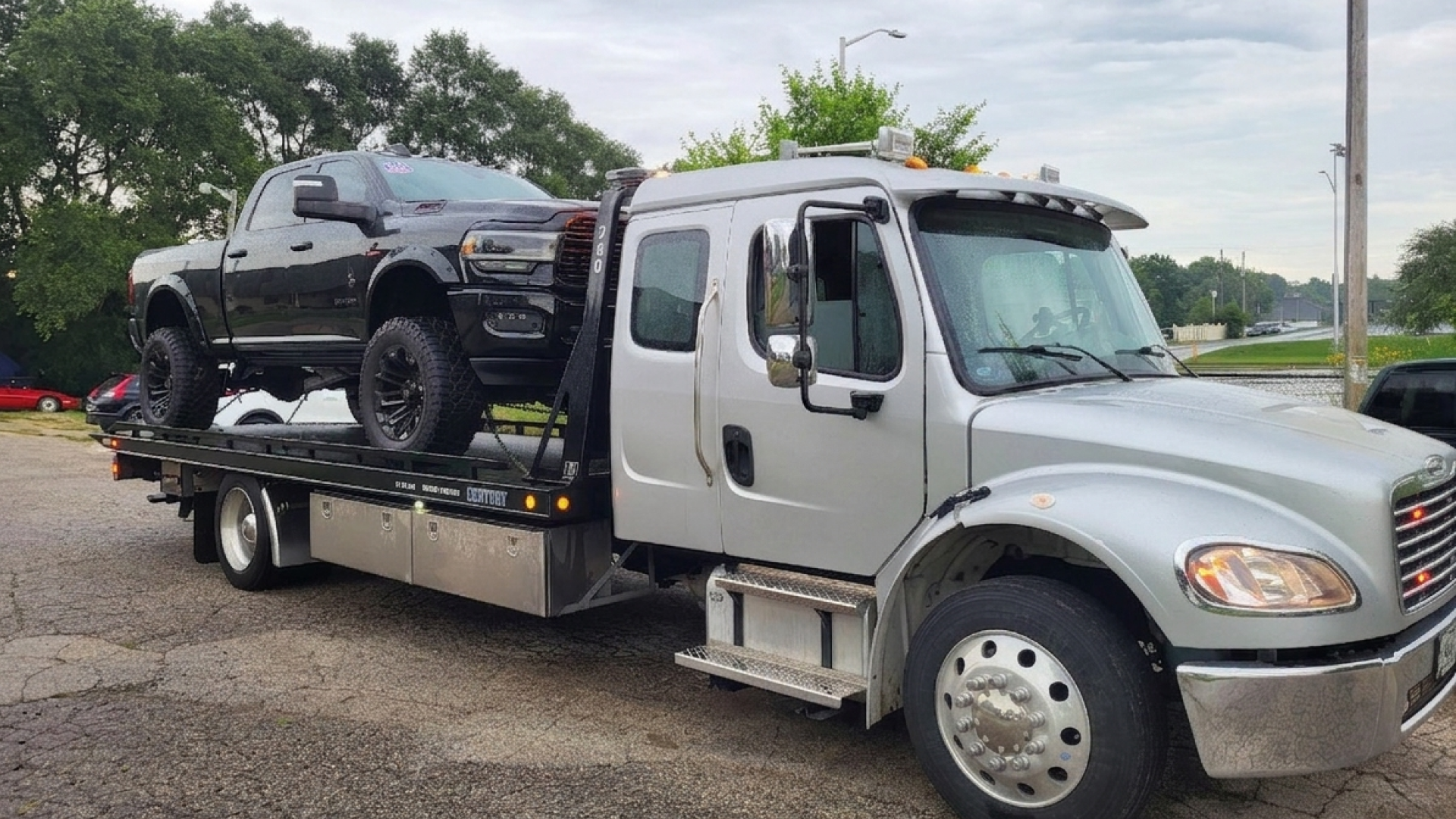
When your vehicle needs to be towed, getting it from one location to another is only part of the job. The way a vehicle is loaded, secured, and transported also matters. Using appropriate towing equipment can help reduce unnecessary movement and protect the vehicle while it is being handled.
Different situations call for different towing methods. A vehicle involved in an accident may need to be handled differently from a car with a dead battery or a vehicle that simply needs transportation. Flat tires, steering problems, accident damage, and vehicles that cannot move normally can also affect how towing should be approached.
Professional towing equipment is designed to help operators handle these situations more safely and efficiently. A&Z Towing provides emergency towing, light-duty towing, flatbed towing, and vehicle recovery in Marrero and surrounding Louisiana communities, along with roadside assistance services.
Quick Answer
Professional towing equipment helps protect vehicles by allowing towing operators to load, secure, and transport them using equipment suited to the vehicle's condition. Proper equipment can help reduce unnecessary movement, protect tires and wheels, and provide safer handling when a vehicle is damaged, disabled, or unable to move normally.
Key Takeaways
The right towing equipment depends on the vehicle and the situation.
Flatbed towing can keep the entire vehicle supported during transportation.
Proper securing helps keep a vehicle stable while it is being transported.
Damaged or disabled vehicles may require specialized handling.
Professional equipment can reduce the need for a vehicle to be driven when it should not be.
Vehicle recovery requires careful consideration of the vehicle's position and condition.
Drivers should tell the towing provider about accident damage, flat tires, or other unusual circumstances.
A&Z Towing provides flatbed towing, light-duty towing, emergency towing, and vehicle recovery.
Why the Right Towing Equipment Matters
A vehicle that needs towing may not be in normal operating condition.
It could have a dead battery, flat tire, mechanical problem, accident damage, or another issue that prevents it from being driven safely.
Simply connecting a vehicle to a tow truck is not always enough. The vehicle needs to be handled in a way that accounts for its condition.
Every towing situation is different
Consider the difference between:
A vehicle that starts and rolls normally.
A vehicle with a flat tire.
A vehicle involved in an accident.
A vehicle that cannot start.
A vehicle that cannot move under its own power.
A vehicle stuck in a difficult location.
Each situation can require a different approach.
Professional towing operators can assess the vehicle and determine what equipment is appropriate for the circumstances.
Flatbed Towing Provides Full Vehicle Support
Flatbed towing is one of the towing methods offered by A&Z Towing.
With a flatbed tow truck, the vehicle is loaded onto a platform rather than being pulled along the roadway on its own tires.
This can be useful when a vehicle needs to be transported without having its wheels travel on the road.
When flatbed towing can be useful
Flatbed towing may be appropriate for situations involving:
Accident-damaged vehicles.
Vehicles that cannot be driven.
Vehicles with certain tire or wheel problems.
Vehicles requiring transportation over longer distances.
Situations where keeping the vehicle fully supported is appropriate.
The towing operator determines the appropriate method based on the vehicle and its condition.
Why full support matters
When a vehicle is carried on a flatbed, the vehicle is transported as a load rather than being driven to the destination.
This can be particularly useful when the vehicle should not be operated because of damage or a mechanical problem.
For more information about the difference between towing methods, see flatbed towing vs. wheel-lift towing.
Proper Securing Helps Keep the Vehicle Stable
Once a vehicle is loaded, it needs to be secured appropriately for transportation.
Professional towing equipment includes systems designed to help keep the vehicle in position while the tow truck is moving.
The exact securing method can depend on the type of tow truck, vehicle, and towing situation.
Why stability matters
A vehicle that is not properly secured can move during transportation.
Proper securing helps reduce unnecessary movement and helps the towing operator transport the vehicle in a controlled manner.
This is particularly important when transporting a disabled or damaged vehicle.
Professional Equipment Can Reduce Unnecessary Driving
One of the simplest ways to avoid additional vehicle wear or damage is not to drive a vehicle that should not be driven.
A vehicle with significant accident damage, a severely damaged tire, or another serious problem may not be safe to operate.
Professional towing equipment provides a way to move the vehicle without requiring the driver to continue operating it.
Don't drive a vehicle simply because it still starts
An engine that starts does not automatically mean the vehicle is safe to drive.
After an accident, for example, a vehicle may have damage affecting tires, wheels, steering, suspension, or other components.
If you are unsure whether the vehicle can safely continue, explain the circumstances to the towing provider rather than attempting to drive it to another location.
Light-Duty Towing for Cars and SUVs
Not every vehicle requires the same type of tow truck.
A&Z Towing provides light-duty towing for vehicles such as cars and SUVs.
The appropriate equipment depends on the vehicle and the situation.
Why vehicle information matters
When requesting towing, provide the make and model of your vehicle and explain what happened.
Mention whether:
The vehicle starts.
The vehicle can roll.
A tire is flat.
The vehicle has accident damage.
The vehicle is stuck.
The vehicle is parked somewhere difficult to access.
This information can help the towing provider understand the situation before arriving.
Vehicle Recovery Requires Specialized Handling
A vehicle that is stuck is different from a vehicle that simply needs to be transported.
It may be stuck off the roadway, in mud, in a difficult position, or somewhere that makes ordinary towing more complicated.
A&Z Towing provides vehicle recovery for stuck, off-road, and difficult vehicle situations.
Why recovery equipment matters
Trying to pull a stuck vehicle out using an improvised method can potentially create additional problems.
The recovery process needs to account for the vehicle's position, surroundings, and condition.
Professional recovery equipment gives the operator a controlled way to address a difficult situation.
Don't improvise a recovery
Drivers sometimes try using ropes, chains, another vehicle, or other makeshift methods to free a stuck vehicle.
These methods can create risks for people, vehicles, and surrounding property.
If a vehicle is seriously stuck, professional recovery assistance can be a safer alternative.
Accident-Damaged Vehicles Need Extra Attention
A vehicle involved in an accident may have damage that is not immediately obvious.
Even if the engine starts, the vehicle could have problems affecting its ability to move safely.
Professional towing equipment allows a damaged vehicle to be handled without requiring the driver to operate it on public roads.
Tell the towing company about the damage
Before assistance arrives, explain what happened and point out visible damage if it is safe to do so.
Important details may include:
Damaged wheels.
Flat or damaged tires.
Body damage.
Broken windows.
Parts hanging from the vehicle.
Steering problems.
Other visible damage.
Accurate information can help the towing operator determine how the vehicle should be handled.
Towing Equipment Can Help With Disabled Vehicles
A vehicle may be completely unable to move because of a mechanical or electrical problem.
For example, a dead battery may prevent the vehicle from starting.
A&Z Towing provides jump-start assistance as part of its roadside services. If the problem can be resolved at the roadside, a tow may not be necessary.
However, if the vehicle remains disabled, professional towing can provide transportation to an appropriate destination.
Roadside assistance or towing?
The distinction is simple:
Roadside assistance may address certain problems where the vehicle is located.
Towing transports the vehicle when it cannot or should not continue under its own power.
A professional provider can help determine which type of service is appropriate based on the circumstances.
For additional information about what happens during professional towing, see what happens during a professional towing service.
Professional Towing Helps Protect the Vehicle During Transportation
Towing is not simply about moving a vehicle.
The vehicle needs to remain stable during loading, transportation, and unloading.
Professional towing equipment is designed to support these stages of the process.
During loading
The vehicle needs to be positioned appropriately on the towing equipment.
During transportation
The vehicle needs to remain securely positioned while the tow truck is moving.
During unloading
The vehicle needs to be removed in a controlled manner at the destination.
Professional equipment and proper handling help make each stage more predictable.
What Drivers Should Tell the Towing Company
The towing operator cannot see everything from a phone call.
Providing useful information can help them understand what they are arriving to handle.
Tell them:
Your exact location.
Vehicle make and model.
Vehicle color.
What happened.
Whether the vehicle starts.
Whether it can move.
Whether it has a flat tire.
Whether it was involved in an accident.
Whether it is stuck.
Whether access is difficult.
Where the vehicle needs to go, if known.
You do not need to diagnose the mechanical problem.
Simply describe what you know.
For example, saying, "The car was involved in an accident and the front wheel is damaged" is more useful than simply saying, "I need a tow."
For a more detailed checklist, see what information should you provide when calling a tow truck.
Common Mistakes That Can Lead to Vehicle Damage
Professional equipment helps, but drivers should also avoid actions that can make towing more difficult.
Driving a damaged vehicle
If a vehicle has significant damage, continuing to drive it can potentially create additional problems.
Trying to move a stuck vehicle
Repeatedly accelerating or attempting an improvised recovery can make a stuck vehicle harder to recover.
Providing incomplete information
Not mentioning a flat tire, accident damage, or difficult access can make it harder to prepare for the situation.
Interfering with the towing process
Once the tow truck arrives, allow the operator to handle the equipment and vehicle.
Do not attempt to attach straps, chains, or other towing equipment yourself unless instructed by the professional.
How to Prepare Your Vehicle for Towing
There are a few simple things you can do before the tow arrives, provided it is safe to access the vehicle.
Remove important personal belongings
Take valuables, identification, electronics, documents, and other important items with you.
Keep your keys available
Keep the vehicle keys with you unless the towing operator needs them for the towing process.
Tell the operator about damage
Explain any accident damage, flat tires, or other unusual conditions.
Make the location clear
Provide the exact location and useful landmarks so the operator can find the vehicle.
Prioritize safety
Do not spend time preparing the vehicle if doing so puts you near moving traffic or another hazard.
For additional preparation tips, see how to prepare your vehicle before the tow truck arrives.
Frequently Asked Questions
How does professional towing equipment protect my vehicle?
Professional towing equipment allows the vehicle to be loaded, secured, and transported in a controlled manner appropriate to its condition. Using suitable equipment can reduce unnecessary movement and avoid requiring a damaged or disabled vehicle to be driven.
Is flatbed towing safer for a vehicle?
Flatbed towing keeps the vehicle supported on the flatbed during transportation rather than requiring its tires to travel on the road. Whether a flatbed is appropriate depends on the vehicle and towing situation.
When should I request flatbed towing?
Flatbed towing may be useful for vehicles that cannot safely be driven, certain accident-damaged vehicles, or situations where full vehicle support during transportation is appropriate. The towing professional can determine the appropriate method.
Can towing damage my car?
Any vehicle movement carries some risk if it is handled incorrectly. Professional towing equipment and proper handling are intended to help reduce unnecessary damage during loading and transportation.
Does a damaged car need special towing equipment?
It can. Accident damage, damaged wheels, flat tires, or a vehicle that cannot move normally may require a different towing approach. Tell the towing provider about the vehicle's condition before assistance arrives.
What information should I give a tow truck company?
Provide your location, vehicle make and model, what happened, whether the vehicle starts or moves, and any visible damage. Also mention if it is stuck, has a flat tire, or is difficult to access.
Can a tow truck move a vehicle that won't start?
Yes. Towing services are designed to transport vehicles that cannot operate normally. A&Z Towing provides emergency towing and light-duty towing for disabled vehicles.
Can a tow truck recover a stuck vehicle?
Yes, depending on the situation and equipment required. A&Z Towing provides vehicle recovery for stuck, off-road, and difficult vehicle situations.
Should I drive my damaged car to the repair shop?
If the vehicle has significant damage or you are uncertain whether it is safe to drive, do not assume that it should be driven simply because the engine starts. Professional towing can transport the vehicle without requiring you to operate it.
Can a flat tire require towing?
Sometimes. A flat tire may be addressed with a tire change if the situation allows. If the tire cannot be changed safely or the vehicle cannot continue, towing may be appropriate.
Does A&Z Towing provide flatbed towing?
Yes. Flatbed towing is one of A&Z Towing's listed towing services.
Does A&Z Towing provide emergency towing?
Yes. A&Z Towing provides 24/7 emergency towing for breakdowns, accidents, and roadside emergencies in Marrero and surrounding Louisiana communities.
Does A&Z Towing provide vehicle recovery?
Yes. A&Z Towing provides vehicle recovery for stuck, off-road, and difficult vehicle situations.
When to Call A&Z Towing
If your vehicle cannot safely continue, professional towing can help you move it without relying on improvised methods or attempting to drive a damaged vehicle.
A&Z Towing provides 24/7 emergency towing in Marrero and surrounding Louisiana communities, including light-duty towing, flatbed towing, and vehicle recovery. The company also provides roadside assistance such as jump starts, tire changes, and vehicle lockout assistance.
When you request service, explain your vehicle's condition as clearly as possible. Tell the towing provider if the vehicle has accident damage, a flat tire, cannot move, or is stuck somewhere difficult to access.
This information helps the towing professional understand the situation and determine the appropriate way to handle the vehicle.
Conclusion
Professional towing equipment plays an important role in protecting vehicles during loading, transportation, and recovery. The right equipment allows a towing operator to handle different situations based on the vehicle's condition, whether it involves a simple disabled vehicle, accident damage, a flat tire, or a vehicle that is stuck.
Flatbed towing can provide full vehicle support during transportation, while light-duty towing can handle many everyday vehicle transportation needs. More difficult situations may require vehicle recovery equipment and careful handling.
Drivers can also help by providing accurate information before the tow arrives. Explain where the vehicle is, what happened, whether it starts or moves, and any visible damage or unusual circumstances.
If your vehicle needs professional assistance in Marrero or surrounding Louisiana communities, A&Z Towing provides emergency towing, flatbed towing, light-duty towing, vehicle recovery, and roadside assistance.
When a vehicle cannot safely continue, using the appropriate towing equipment and professional handling can help move it without unnecessary driving or improvised recovery attempts.