

How Temperature Drops Affect Tire Pressure and Increase Flat Risks
Introduction
A sudden temperature drop can change how your vehicle handles the road, even when nothing appears wrong with your tires. You might leave home with properly inflated tires on a warm afternoon, then notice a tire pressure warning the next morning. In some cases, a tire that already has a slow leak may lose enough air to become dangerously underinflated.
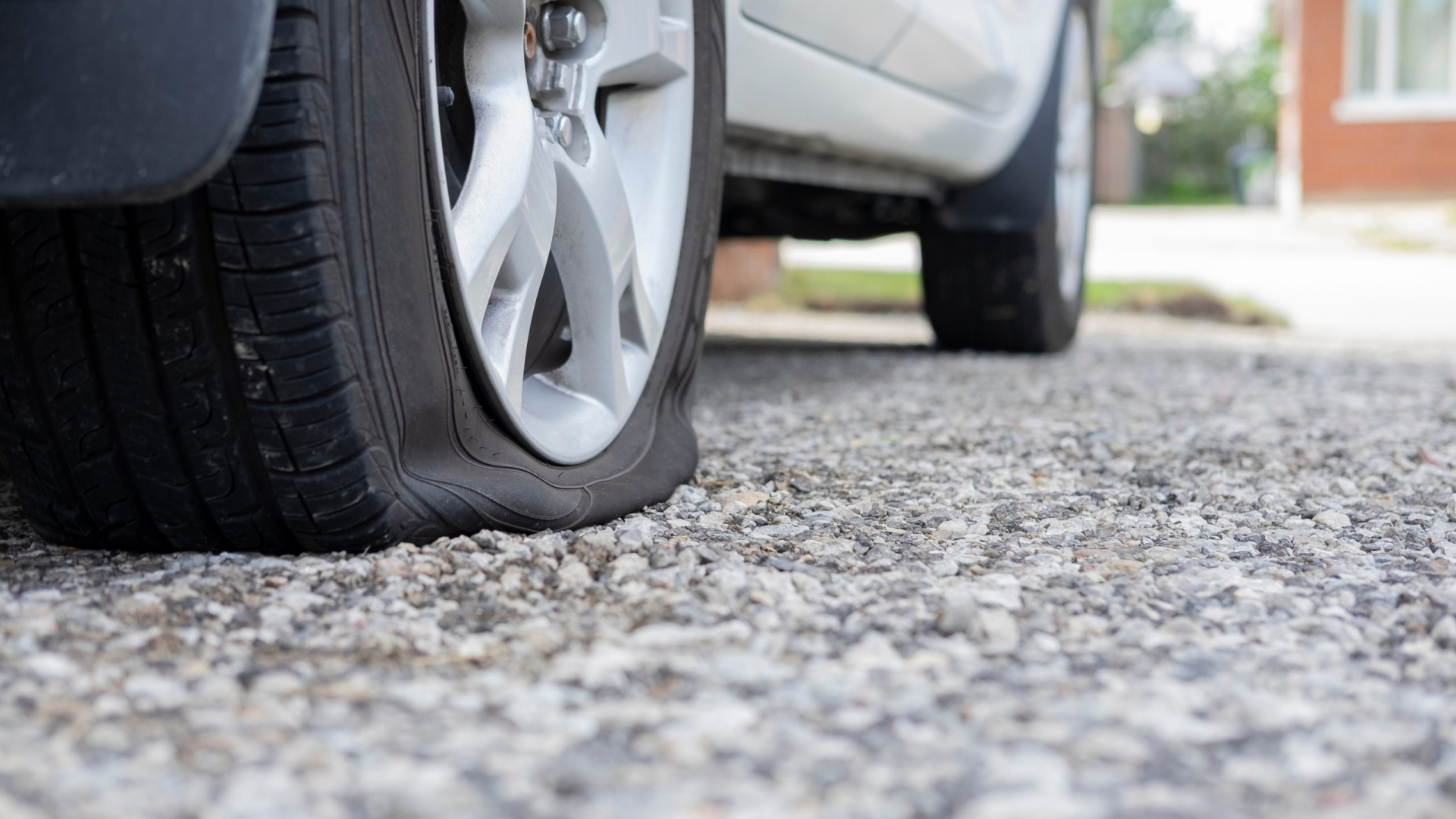
Cold weather does not automatically cause a tire to go flat, but it can expose existing problems and increase the risk of tire damage. Lower temperatures reduce the pressure of the air inside your tires, while potholes, rough pavement, worn tread, and damaged valve stems can make an underinflated tire more vulnerable to failure.
For drivers in Marrero, Harvey, Gretna, Westwego, and surrounding Louisiana communities, understanding this relationship can help prevent unexpected roadside emergencies. Louisiana may not experience prolonged freezing conditions every winter, but sudden cold fronts and overnight temperature changes can still affect tire pressure.
Learning how to check tire pressure, recognize warning signs, and respond to a tire problem can help you avoid unnecessary delays and make safer decisions when changing conditions arise. For reliable local support during unexpected vehicle trouble, drivers can rely on A&Z Towing LLC.
Why Cold Weather Causes Tire Pressure to Drop
Tire pressure measures the force exerted by the air inside a tire against its inner walls. That pressure changes as the temperature of the air changes, even when the tire has no puncture and is not losing air through a leak.
When temperatures fall, the air inside a tire becomes cooler and its pressure decreases. When temperatures rise, the pressure generally increases again.
This is a normal physical process, not necessarily evidence of tire damage.
The Science Behind Cold Tire Pressure
Air consists of molecules that move more actively at higher temperatures. As the air cools, the molecules have less average kinetic energy, and the pressure inside a tire decreases when its volume remains approximately constant.
A useful rule of thumb is that tire pressure changes by about 1 PSI for every 10°F change in temperature. A 20°F drop can mean approximately 2 PSI less pressure, while a 30°F drop can mean approximately 3 PSI less.
These figures are estimates. Actual changes depend on the starting conditions, tire temperature, and other factors.
For example, suppose your tires are properly inflated to 35 PSI when the temperature is 80°F. After an overnight cold front brings temperatures down to 40°F, the tires may read approximately 31 PSI under comparable measurement conditions.
That difference can be enough to trigger a tire pressure monitoring system (TPMS) warning, depending on the vehicle's warning threshold.
Why Tire Pressure Warnings Appear Overnight
Many drivers first notice cold-related tire pressure changes when they start their vehicles in the morning.
During the night, the air temperature drops and the tires cool. The TPMS may detect pressure below its warning threshold and illuminate the dashboard warning light.
The warning may disappear after driving because the tires warm up and their pressure rises. However, a warning light turning off does not necessarily mean the tires have returned to the correct pressure.
Always check the actual tire pressure rather than assuming the tires are safe because the warning disappeared.
How Underinflated Tires Increase the Risk of Flat Tires
Low tire pressure does more than trigger a dashboard light. It changes the way a tire supports the vehicle, distributes weight, and responds to road hazards.
A tire that is significantly underinflated can flex excessively as it rolls. This added flexing generates heat, increases stress on the tire structure, and may contribute to premature wear or tire failure.
Cold temperatures can start the problem by lowering pressure, especially when the tires were already close to the minimum recommended inflation level.
Excessive Flexing and Sidewall Damage
A properly inflated tire is designed to support the vehicle's weight while maintaining its intended shape. When pressure drops too low, the sidewalls flex more than they should.
Excessive flexing can damage the tire's internal structure, particularly during extended driving or when the vehicle carries a heavy load.
Possible warning signs include:
A tire that looks noticeably flatter than the others.
Unusual bulging or deformation in the sidewall.
A rough or unstable feeling while driving.
Visible cracking, exposed cords, or other tire damage.
Do not continue driving on a tire with visible structural damage. Even if you add air, internal damage may remain.
Greater Vulnerability to Potholes and Road Debris
Underinflated tires can be more susceptible to damage when they strike potholes, curbs, or sharp road edges.
The tire may compress excessively during an impact, increasing the chance that the sidewall will be pinched against the wheel. This can cause a sidewall bulge, internal damage, or a sudden loss of air.
Road debris presents another risk. A nail or screw may puncture an already compromised tire, while a hard impact can damage the tire or wheel even without a visible puncture.
Drivers traveling through Marrero, Harvey, Gretna, and Westwego should pay attention to road conditions, particularly after heavy rain or periods of changing weather that may leave pavement damaged. For more insights on dealing with local roadway hazards, check out this guide on common road hazards that lead to flat tires.
Uneven Tire Wear and Reduced Handling
Underinflation can cause the outer portions of a tire's tread to wear more heavily than intended. It may also affect braking, steering response, and stability.
These changes can become more noticeable when roads are wet. A tire with insufficient pressure and worn tread may have greater difficulty maintaining consistent contact with the road surface.
Correct tire inflation does not eliminate every risk, but it helps the tire perform as designed.
Does Cold Weather Cause a Flat Tire or Reveal an Existing Problem?
Cold weather can lower tire pressure without creating a hole in the tire. However, a noticeable pressure drop can also reveal a problem that was already developing.
Understanding the difference helps drivers decide whether they simply need to adjust inflation or arrange professional tire service.
Normal Temperature-Related Pressure Loss
If all four tires lose a similar amount of pressure following a substantial temperature drop, the change may be primarily temperature-related.
For instance, a vehicle's tires might all read approximately 2 PSI below their previous readings after a cold night. If the tires otherwise look normal and hold pressure after inflation, temperature may explain the change.
Check every tire against the manufacturer's recommended cold inflation pressure and monitor the readings over the next several days.
Slow Leaks From Nails, Screws, or Valve Stems
If one tire consistently reads lower than the others, investigate the possibility of a leak.
Common causes include:
Nails, screws, or other sharp objects embedded in the tread.
Damaged or deteriorated valve stems.
Leaks around the tire bead where the tire meets the wheel.
Corrosion or damage affecting the wheel's sealing surface.
Previous tire damage or an improperly repaired puncture.
Cold weather can make these problems more noticeable because the tire begins with lower pressure.
A tire that repeatedly loses pressure after inflation should be inspected by a qualified tire professional. Do not assume that adding air every morning is a sufficient long-term solution.
When a Tire Becomes Unsafe to Drive
A TPMS warning does not always mean the tire is immediately unsafe to move, but certain symptoms require urgent attention.
Stop in a safe location if you notice a sudden pressure loss, severe vibration, loud flapping sounds, strong pulling to one side, or visible tire damage.
If the tire is nearly flat, has a damaged sidewall, or cannot maintain pressure, avoid driving on it. Doing so can damage the wheel and create a loss-of-control risk.
If you cannot safely change the tire or move the vehicle out of danger, roadside assistance or towing may be the safer choice. For dependable assistance, learn more about professional options via our flat tire help in Marrero LA overview.
How to Check Tire Pressure When Temperatures Drop
Checking tire pressure regularly is one of the simplest ways to reduce cold-weather tire problems. A quick inspection before driving can reveal low pressure before it develops into a roadside emergency.
Step 1: Find the Recommended Tire Pressure
Look for the tire information label, usually located on the driver's doorjamb or inside the driver's door area. Your owner's manual may also list the recommended pressures.
Use the manufacturer's recommended pressure for your vehicle's tires, generally expressed in pounds per square inch (PSI).
Do not use the maximum pressure printed on the tire sidewall as your normal inflation target. That number refers to the tire's specified maximum pressure under its stated conditions, not necessarily the pressure recommended for your vehicle.
Step 2: Measure Pressure When the Tires Are Cold
Check your tires before driving or after the vehicle has been parked for several hours.
Driving heats the tires and changes their pressure readings. Measuring them cold gives you a more consistent basis for comparison with the manufacturer's recommendation.
Use a reliable digital or manual tire pressure gauge. If you use a gas station air pump, its built-in gauge may not always provide the most accurate reading.
Step 3: Check All Four Tires
Measure each tire individually, including the tires that look properly inflated.
Visual inspections alone are unreliable because a tire can be underinflated without appearing noticeably flat.
If your vehicle has a full-size spare, check its pressure according to the manufacturer's recommendations as well. A spare tire that has been ignored for months may be unusable when you need it.
Step 4: Add Air as Needed
If a tire is below the recommended cold pressure, add air until it reaches the correct level.
Recheck the pressure with your gauge after inflation. If you accidentally add too much air, release a small amount and measure again.
If the tire is substantially underinflated, inspect it for visible damage before driving. A severely underinflated tire may have sustained internal damage, particularly if it was driven while low.
Step 5: Monitor Changes Over Time
Record your tire pressure when temperatures change significantly. Checking again over the following days can help you identify an individual tire that continues to lose air.
If one tire repeatedly falls below the recommended pressure, schedule an inspection instead of repeatedly topping it off.
How to Prevent Cold-Weather Flat Tires
Preventing a flat tire involves more than responding to a dashboard warning. Regular maintenance, sensible driving habits, and early attention to tire damage all contribute to safer travel.
Check Tire Pressure During Temperature Swings
Make tire pressure checks part of your routine when a cold front arrives, especially after a significant overnight temperature change.
Check before longer trips, too. Highway driving can place additional demands on tires, and a tire that starts a journey underinflated may experience excessive heat buildup.
Avoid releasing air from a warm tire simply because its pressure reading is higher than the cold specification. Pressure normally increases as tires warm up.
Inspect Tread and Sidewalls
Look for nails, screws, cuts, cracks, bulges, and unusual tread wear. Pay attention to the inner sidewalls when they can be inspected safely, since damage is not always visible from outside the vehicle.
If you notice a bulge or exposed tire cords, do not rely on inflation alone to solve the problem. These conditions can indicate structural damage requiring tire replacement.
Never crawl under a vehicle or place yourself in traffic to inspect a tire.
Maintain Proper Tread Depth
Tire tread helps channel water away from the contact area between the tire and road.
Worn tread reduces traction, particularly on wet pavement. In Louisiana, where rain can create slippery roads and standing water, adequate tread depth is an important part of tire safety.
Replace tires when they reach the manufacturer's wear limits or show damage that makes continued use unsafe. If you are unsure about their condition, have a tire professional inspect them.
Avoid Overloading Your Vehicle
Carrying more weight than the vehicle or tires are designed to support can increase tire stress.
Follow the vehicle's load limits and use the tire pressure recommendations specified for the relevant loading conditions when the manufacturer provides them.
Do not assume that adding extra air beyond the recommended pressure is an appropriate way to compensate for an overloaded vehicle.
Keep a Basic Tire Emergency Kit
A small emergency kit can make a tire problem easier to manage while you wait for help.
Consider carrying:
A reliable tire pressure gauge.
A portable air compressor suitable for your vehicle.
A flashlight and reflective safety equipment.
Your vehicle's roadside assistance information.
A properly maintained spare tire, if equipped.
A tire repair kit or sealant may be useful in certain situations, but not every puncture can be repaired safely with a temporary product. Follow your vehicle manufacturer's guidance and the repair kit instructions. For more preparation tips, review this checklist on what drivers should keep in their emergency car kit year-round.
What to Do if Your Tire Goes Flat on the Road
A flat tire can happen even when you maintain your vehicle carefully. Knowing how to respond can reduce the risk of an injury or additional vehicle damage.
Move to a Safe Location if Possible
If you notice a sudden loss of pressure while driving, avoid abrupt steering or hard braking. Reduce speed gradually and look for a safe place to stop away from moving traffic.
If the vehicle is on a highway shoulder, remain aware of surrounding traffic. Do not attempt a tire change if there is insufficient space or the location exposes you to passing vehicles.
Turn on your hazard lights when appropriate and follow local road-safety guidance.
Assess the Tire Without Taking Unnecessary Risks
Once safely stopped, look for obvious signs of damage from a safe position.
Do not touch exposed cords, remove an embedded nail or screw, or attempt to inflate a visibly damaged tire just to see whether it will hold air.
A puncture in the tread may sometimes be repairable, but sidewall damage, large punctures, and damage caused by driving on a flat tire may require replacement.
Decide Whether a Spare Tire or Roadside Assistance Is Appropriate
If your vehicle has a usable spare and you can change it safely in a suitable location, follow the vehicle manufacturer's instructions.
Never work beneath a vehicle supported only by a jack. If you are unfamiliar with the procedure or the location is unsafe, request professional assistance.
Roadside assistance may be appropriate if you have no spare, your tire cannot hold air, your wheel is damaged, or you cannot safely change the tire yourself.
For drivers around Marrero, Harvey, Gretna, and Westwego, A&Z Towing LLC provides reliable roadside assistance and emergency towing services for drivers dealing with breakdowns and other vehicle emergencies. Depending on the situation, roadside help or towing to a suitable repair facility may be the practical next step.
Common Misconceptions About Cold Weather and Tire Pressure
Misunderstandings about tire pressure can lead drivers to overlook problems or make unnecessary adjustments.
Misconception 1: A TPMS Light Always Means a Puncture
A tire pressure monitoring system warns when its sensors detect pressure conditions that meet the vehicle's warning criteria.
Cold temperatures alone can trigger the warning. However, a leak or damaged tire can produce the same symptom, so checking the actual pressure is essential.
Misconception 2: Tires That Look Full Are Properly Inflated
Tires can lose several PSI without looking visibly different. Appearance is not a substitute for using a pressure gauge.
Measure each tire rather than relying on a quick glance.
Misconception 3: The Warning Light Disappearing Means the Problem Is Fixed
Tires may warm up while driving, causing pressure to rise enough for the warning to turn off.
If a tire remains underinflated when cold, the underlying problem has not been resolved. Check the pressure before your next trip.
Misconception 4: Cold Weather Makes Tire Punctures Inevitable
Cold temperatures do not automatically puncture tires. Flat tires generally result from causes such as sharp objects, leaks, impact damage, worn tires, or structural failure.
Temperature changes can lower pressure and increase the consequences of existing problems, which is why preventive checks matter.
Conclusion
Temperature drops can reduce tire pressure enough to affect handling, increase tire stress, and make existing leaks or damage more noticeable. A cold-weather tire warning is not always a sign of a puncture, but it should never be ignored.
Check tire pressure when the tires are cold, follow the vehicle manufacturer's recommended PSI, inspect tread and sidewalls, and monitor any tire that repeatedly loses air. Avoid driving on a severely underinflated or visibly damaged tire, even if adding air temporarily improves its appearance.
For drivers in Marrero, Harvey, Gretna, Westwego, and nearby Louisiana communities, a few minutes of tire maintenance can help prevent unexpected delays and reduce the likelihood of a roadside emergency. If a flat tire leaves you stranded in an unsafe location or your vehicle cannot be driven safely, contact a qualified roadside assistance provider like A&Z Towing LLC to determine whether on-site help or towing is the best option.
Frequently Asked Questions
1. How much does tire pressure drop when the temperature decreases?
Tire pressure changes by approximately 1 PSI for every 10°F change in temperature as a general rule of thumb. A 20°F drop may reduce pressure by about 2 PSI. Actual readings vary with tire temperature and starting conditions.
2. Can cold weather cause a tire to go flat overnight?
Cold weather can lower tire pressure overnight, sometimes enough to trigger a warning or make an already underinflated tire appear flat. A completely flat tire may also have a puncture, damaged valve stem, or another leak that requires inspection.
3. What tire pressure should I use during winter?
Use the cold tire pressure recommended by your vehicle manufacturer, typically listed on the driver's doorjamb label or in the owner's manual. Do not automatically inflate tires to the maximum PSI printed on the tire sidewall.
4. Should I add air to my tires when the temperature drops?
Yes, if a cold pressure check shows that a tire is below the manufacturer's recommended PSI. Add air until it reaches the correct pressure, then recheck it. If the same tire continues losing air, arrange a professional inspection.
5. Why does my tire pressure light turn on in cold weather?
Cold air reduces tire pressure, which may cause the tire pressure monitoring system to detect a reading below its warning threshold. Check all tires with a pressure gauge rather than assuming the light is only a temperature-related issue.
6. Is it safe to drive with low tire pressure in cold weather?
Driving on underinflated tires can increase heat buildup, tire damage, uneven wear, and handling problems. Check the pressure and correct it before driving when possible. Do not drive on a visibly damaged, nearly flat, or structurally compromised tire.
7. Why does one tire keep losing air when the weather gets colder?
Repeated pressure loss in one tire may indicate a puncture, leaking valve stem, damaged wheel, or bead leak. Temperature changes may make the problem more noticeable, but recurring pressure loss should be investigated by a tire professional.
8. Can I drive after inflating a tire that was completely flat?
Not necessarily. Driving on a completely flat tire can damage its internal structure and sidewall, even if it holds air after inflation. Have the tire inspected before driving, and arrange roadside assistance or towing if its safety is uncertain.
9. What should I do if I get a flat tire on a Louisiana highway?
Slow down gradually, avoid sudden maneuvers, and stop in a safe location away from moving traffic if possible. Turn on your hazard lights and assess your options without exposing yourself to traffic. Request roadside assistance if changing the tire would be unsafe.
10. When should I call roadside assistance for a flat tire?
Request roadside assistance if you lack a usable spare, the tire has visible damage, pressure drops repeatedly, the wheel may be damaged, or your location is unsafe for a tire change. Towing may be necessary when the vehicle cannot be moved safely to a repair facility.
