Common Road Hazards That Lead to Flat Tires
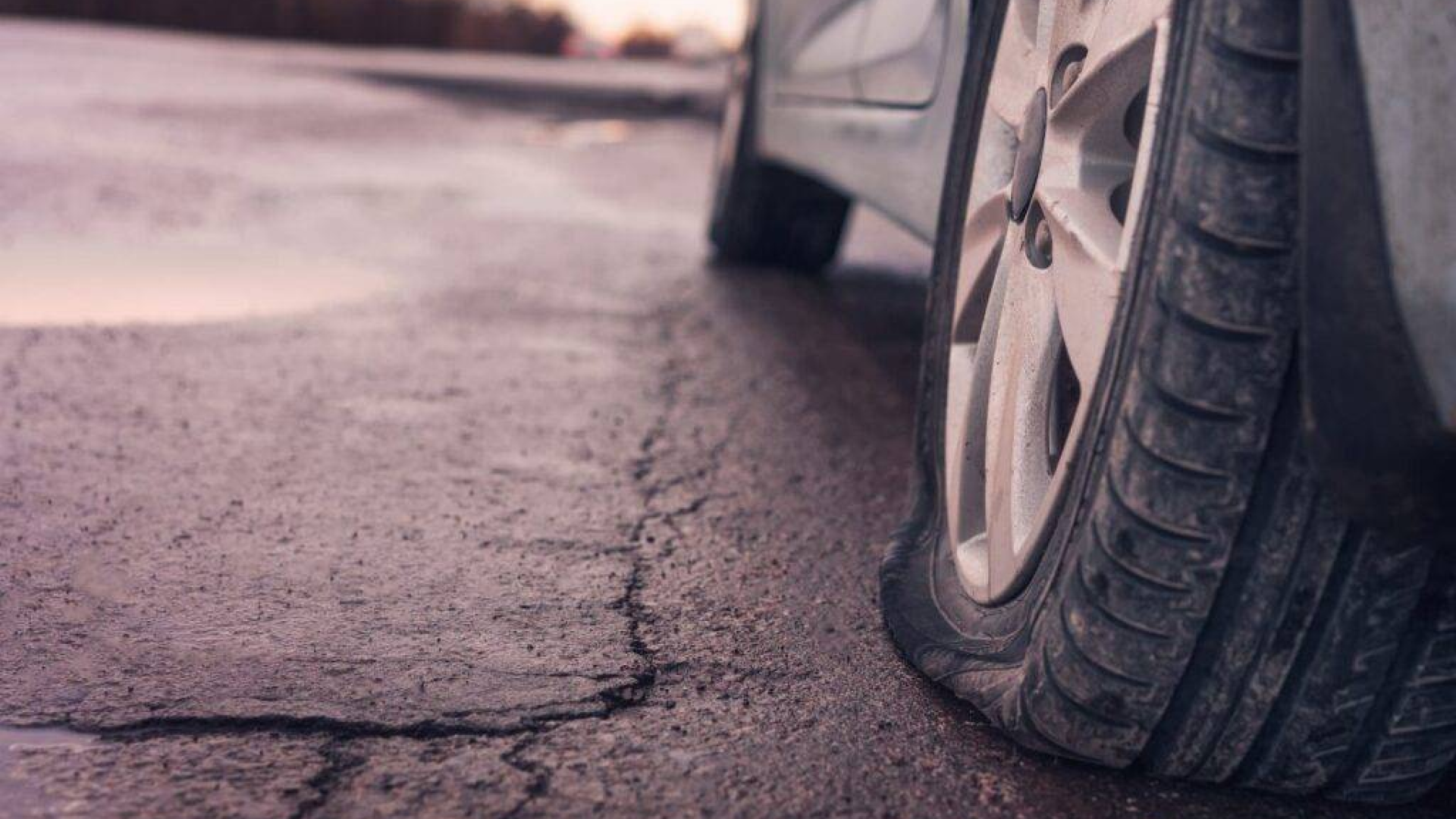
A flat tire can happen almost anywhere. You may be driving through a familiar neighborhood, heading to work, or traveling on a busy road when you suddenly feel the vehicle pull to one side or notice that the steering feels different. Sometimes the cause is obvious, such as a nail or piece of debris. Other times, the damage happens after hitting a pothole, curb, or other road hazard.
Understanding what causes flat tires can help drivers recognize potential problems before they become a roadside emergency. It can also help you know what to do when a tire suddenly loses pressure.
Not every flat tire can be avoided. Road debris can appear without warning, and even careful drivers can encounter potholes or damaged pavement. However, knowing the most common hazards and understanding how to respond can reduce the chance of making the situation worse.
If you experience a flat tire in Marrero or a surrounding Louisiana community, A&Z Towing provides roadside assistance, including tire changes, as well as towing services when a vehicle cannot safely continue.
Quick Answer
Common road hazards that cause flat tires include potholes, nails, screws, broken glass, sharp metal, road debris, curbs, and damaged pavement. Low tire pressure and repeated impacts can also increase the risk of tire damage. If you experience a flat, slow down safely, avoid driving on the damaged tire, and contact roadside assistance if you cannot change it safely.
Key Takeaways
Potholes can damage tires and wheels through sudden impacts.
Nails, screws, and other sharp objects can puncture the tire tread.
Broken glass and metal debris can cause punctures or cuts.
Curbs can damage the sidewall or cause a tire to lose pressure.
Road construction zones can contain unexpected debris and uneven pavement.
Driving on an already damaged or underinflated tire can make the problem worse.
A flat tire should be addressed as soon as safely possible.
Professional roadside assistance can help when changing a tire yourself is not practical or safe.
Potholes Can Cause Sudden Tire Damage
Potholes are one of the most familiar road hazards for drivers, but their effect on a vehicle can be more serious than simply creating an uncomfortable bump.
When a tire drops into a pothole and hits the edge of the damaged pavement, the impact can put significant stress on the tire and wheel. A severe impact can potentially result in a puncture, tire damage, or wheel damage.
The risk can be greater when a driver encounters a pothole unexpectedly and cannot slow down before reaching it.
What to do after hitting a pothole
If you hit a pothole hard, pay attention to how the vehicle feels afterward.
Watch for:
A tire-pressure warning.
Steering that feels different.
Pulling to one side.
A visible tire bulge or other damage.
Unusual vibration.
A noticeable loss of tire pressure.
If the vehicle appears to have sustained tire or wheel damage, avoid continuing to drive unnecessarily.
Nails and Screws Can Cause Slow Leaks
Sharp objects such as nails and screws are common causes of tire punctures.
Unlike a sudden blowout, a nail or screw can sometimes create a slow leak. You may not notice the problem immediately. The tire can gradually lose pressure over time until it becomes unsafe to drive.
This is one reason it is useful to pay attention to tire-pressure warnings and changes in how your vehicle handles.
Don't pull out an embedded object immediately
If you notice a nail, screw, or other object stuck in the tire, do not automatically remove it while the tire is still inflated.
Removing an embedded object can allow air to escape more quickly. If you are unsure what to do, professional tire assistance can help you determine the safest next step.
Broken Glass and Sharp Metal
Road debris can come in many forms.
Broken glass, pieces of metal, construction materials, and other sharp objects can puncture a tire or cut the rubber. Some debris may be difficult to see, particularly at night or when traffic prevents you from avoiding it.
A tire can also be damaged by debris that initially appears harmless.
Why road debris is difficult to avoid
Drivers often have only a few seconds to react to an object in the roadway. Swerving suddenly can create another hazard, especially around other vehicles.
When possible, maintain a safe speed and keep an appropriate distance from vehicles ahead so you have more time to identify road hazards.
If you cannot safely avoid debris, prioritize maintaining control of the vehicle rather than making a sudden maneuver.
Curbs Can Damage Tires
A tire does not have to run over a sharp object to become damaged.
Hitting a curb can place significant stress on the tire, particularly if the impact occurs at an angle or at higher speed. The tire sidewall can be affected, and the wheel may also sustain damage.
Parking-related curb impacts are another common source of tire problems.
Watch for sidewall damage
The sidewall of a tire is different from the tread area and can be particularly important to inspect after a hard impact.
Look for:
Bulges.
Cuts.
Scrapes.
Visible deformation.
Loss of air pressure.
If you notice significant damage, do not assume the tire is safe simply because it still contains air.
Road Construction Zones
Construction areas can create changing road conditions.
Uneven pavement, temporary surfaces, loose material, metal objects, and construction debris can all create additional hazards for tires.
Drivers should follow posted signs and pay close attention when traveling through work zones.
Slow down and stay alert
Construction zones can change quickly. A lane that was clear yesterday may have a different surface or traffic pattern today.
Reducing speed when conditions require it gives you more time to respond to unexpected changes in the roadway.
Railroad Crossings and Uneven Road Surfaces
Railroad crossings, rough pavement transitions, raised surfaces, and other uneven sections of road can create sudden impacts.
These areas are not necessarily going to cause a flat tire by themselves, but hitting them aggressively can put additional stress on tires and wheels.
Approach uneven surfaces at an appropriate speed and avoid sudden maneuvers.
Road Debris From Other Vehicles
Objects can fall from vehicles and end up directly in the path of following drivers.
Items such as metal pieces, broken vehicle parts, wood, plastic, or other materials can become tire hazards.
Maintaining a reasonable following distance can give you more time to identify objects before reaching them.
Be especially cautious behind large vehicles
Large trucks and commercial vehicles can obstruct your view of the road ahead.
If possible, maintain enough following distance to see beyond the vehicle in front of you. This can give you additional time to react to potholes, debris, stopped traffic, and other hazards.
Low Tire Pressure Can Make Road Impacts Worse
Road hazards are not the only factor affecting tire damage.
Tire pressure also matters.
A tire that is significantly underinflated may not respond to impacts in the same way as a properly inflated tire. Low pressure can make a tire more vulnerable to damage when encountering potholes and other road hazards.
That is why drivers should pay attention to their vehicle's recommended tire pressure and address pressure warnings rather than ignoring them.
Check your tire pressure regularly
Use the tire-pressure information recommended for your vehicle.
Do not assume that the number printed on the tire itself is the correct pressure for everyday driving. Vehicle manufacturers provide recommended pressures based on the vehicle.
If you notice that one tire repeatedly loses pressure, have the problem checked rather than continually adding air without finding the cause.
What to Do If You Get a Flat Tire
A flat tire can quickly turn an ordinary drive into a roadside emergency.
Your first priority should be safety.
If you notice a sudden loss of tire pressure, steering changes, or another indication that you have a flat, reduce your speed carefully and look for a safe place to stop.
What to do
Stay calm and maintain control of the vehicle.
Slow down gradually.
Move to a safe location when possible.
Turn on your hazard lights as appropriate.
Avoid driving farther than necessary on the damaged tire.
Check whether you can safely change the tire.
Contact roadside assistance if you cannot safely complete the tire change.
A&Z Towing provides flat tire changes as part of its roadside assistance services in Marrero and surrounding Louisiana communities.
Why You Should Avoid Driving on a Flat Tire
It can be tempting to drive a short distance on a flat tire to reach a gas station, parking lot, or repair facility.
However, driving on a flat tire can cause additional damage.
The tire can become more severely damaged, and the wheel may also be affected. The vehicle may also handle differently, creating additional safety concerns.
If the tire has lost significant air pressure, it is generally better to stop driving and determine whether the tire can be safely changed or whether professional assistance is needed.
What if you're already close to your destination?
Distance alone does not determine whether driving on a flat tire is safe.
A vehicle with a severely damaged or deflated tire should not simply be driven because the destination is nearby. Stopping in a safe location and arranging appropriate assistance can be a better option.
When to Call Roadside Assistance for a Flat Tire
Some drivers are comfortable changing a tire themselves. Others may not have the necessary equipment, may have physical limitations, or may be stopped somewhere that makes changing a tire unsafe.
Roadside assistance can be useful in these situations.
A&Z Towing offers tire-change assistance as part of its roadside services. If the vehicle cannot safely continue and requires transportation, towing services are also available.
Consider professional assistance if:
You do not have a usable spare tire.
You do not have the necessary tools.
The tire cannot be removed safely.
The vehicle is stopped in a dangerous location.
You are on a busy roadway.
The tire has significant damage.
More than one tire is affected.
The vehicle has additional problems.
You are uncomfortable changing the tire yourself.
Common Mistakes After a Flat Tire
A flat tire is stressful, but rushing can make the situation worse.
Continuing to drive
Driving on a severely deflated tire can increase the damage.
Stopping in an unsafe location
If possible, move to a safe area before attempting to inspect or change the tire.
Changing a tire next to fast-moving traffic
Even if you know how to change a tire, the location may make the task unsafe.
Ignoring repeated tire-pressure loss
If the same tire repeatedly loses pressure, adding air without identifying the cause may only temporarily address the symptom.
Swerving suddenly to avoid debris
Sudden steering movements can create a greater safety risk, particularly around other vehicles.
Maintaining control of your vehicle should remain the priority.
How to Reduce the Risk of Flat Tires
You cannot eliminate every road hazard, but you can reduce some of the risks associated with tire damage.
Keep tires properly inflated
Check your tire pressure according to your vehicle manufacturer's recommendations.
Inspect your tires
Look for visible cuts, bulges, punctures, or unusual wear.
Watch the road ahead
Pay attention to potholes, debris, construction areas, and damaged pavement.
Maintain a safe following distance
More space can give you additional time to identify and respond to hazards.
Slow down when road conditions require it
Reducing speed before potholes, uneven pavement, construction areas, and other hazards can reduce the severity of impacts.
Keep roadside assistance information available
Knowing who to contact before a problem happens can make a stressful situation easier to handle.
Frequently Asked Questions
What are the most common causes of flat tires?
Common causes include nails, screws, glass, sharp metal, potholes, curb impacts, road debris, and other forms of tire damage. Low tire pressure can also make tires more vulnerable to damage from road impacts.
Can a pothole cause a flat tire?
Yes. A hard impact with a pothole can damage a tire or wheel and may cause a tire to lose air. After hitting a significant pothole, pay attention to changes in tire pressure, steering, vibration, or handling.
Can a nail cause a flat tire?
Yes. A nail can puncture the tire and cause either a rapid loss of air or a slower leak. If you discover a nail in your tire, avoid removing it unnecessarily and arrange for appropriate flat tire assistance.
Should I drive on a flat tire?
It is generally best to avoid driving on a severely deflated or damaged tire. Continuing to drive can cause additional tire and wheel damage and may affect vehicle handling.
What should I do if I get a flat tire on the highway?
Slow down carefully, maintain control, and move to a safer location if possible. Turn on your hazard lights as appropriate and avoid standing near moving traffic. If changing the tire is not safe, contact roadside assistance.
Can hitting a curb cause a flat tire?
Yes. A hard curb impact can damage the tire, particularly the sidewall, and may also affect the wheel. Inspect the tire for visible damage and monitor its pressure after a significant impact.
Why does my tire keep losing air?
A tire that repeatedly loses air may have a puncture, damage, or another issue that needs attention. Continually adding air without identifying the cause may leave you vulnerable to another flat.
Can I remove a nail from my tire myself?
Removing an embedded nail can allow air to escape more quickly. If you discover a nail in the tire, it is better to have the tire assessed rather than automatically pulling the object out.
What if I don't have a spare tire?
If your vehicle does not have a usable spare or you cannot safely change the tire, contact roadside assistance. A professional can help determine whether the tire can be changed or whether the vehicle needs towing.
Can roadside assistance change a flat tire?
Yes. A&Z Towing provides tire-change assistance as part of its roadside assistance services.
What if I have a flat tire and my car is also broken down?
Tell the roadside assistance provider about both problems. If the vehicle cannot safely continue after the tire issue is addressed, emergency towing may be necessary.
How can I avoid flat tires from road debris?
You cannot avoid every piece of debris, but maintaining a safe following distance, watching the roadway, slowing down when conditions require it, and avoiding sudden steering movements can help you respond more safely to hazards.
Does low tire pressure make pothole damage worse?
Low tire pressure can affect how a tire responds to impacts and may increase its vulnerability to damage. Follow your vehicle manufacturer's recommended tire pressure and address repeated pressure loss.
When to Call A&Z Towing for a Flat Tire
A flat tire does not always require a tow truck. If you can safely replace the tire and have the appropriate spare and equipment, you may be able to continue your trip.
But changing a tire is not always practical or safe.
If you are stopped in a dangerous location, do not have the necessary equipment, have a damaged tire, or cannot safely complete the tire change, professional roadside assistance can help.
A&Z Towing provides tire-change assistance as part of its roadside assistance services in Marrero and surrounding Louisiana communities. The company also provides emergency towing, light-duty towing, flatbed towing, and vehicle recovery when a vehicle needs to be transported or recovered.
If your vehicle cannot safely continue, explain the situation and your location when requesting assistance. Providing accurate information can help determine whether you need a tire change, roadside assistance, or towing.
Conclusion
Flat tires can result from many different road hazards, including potholes, nails, screws, broken glass, sharp metal, curbs, construction debris, and damaged pavement. While drivers cannot control every hazard they encounter, staying alert and maintaining properly inflated tires can help reduce some risks.
If a tire suddenly loses pressure, focus on getting to a safe location rather than trying to continue driving. Avoid driving on a severely deflated tire, particularly when doing so could cause additional damage or put you in danger.
For drivers in Marrero and surrounding Louisiana communities, A&Z Towing provides roadside assistance, including tire changes, as well as towing and vehicle recovery services. When a flat tire leaves you stranded, professional assistance can help you handle the situation without taking unnecessary risks.