How Weather Conditions Affect Car Battery Performance
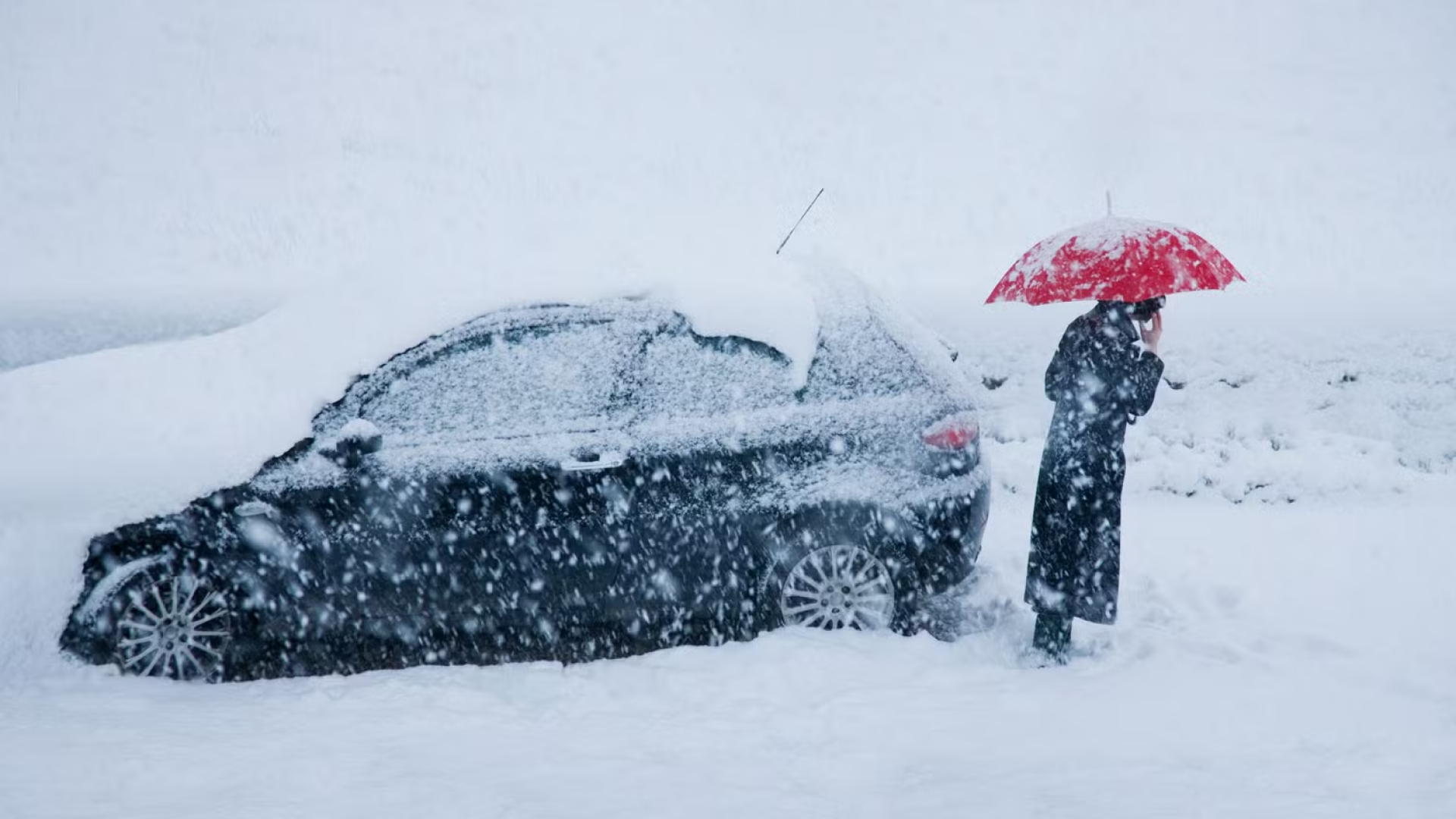
Weather can have a noticeable effect on how well a car battery performs. Extreme temperatures can make it harder for a vehicle to start, especially when the battery is already aging, undercharged, or experiencing another problem. While many drivers associate dead batteries with cold winter mornings, high temperatures can also accelerate battery deterioration and shorten its useful life.
Understanding how heat and cold affect a car battery can help you recognize warning signs before you become stranded. It can also help you decide when a battery problem may require a jump start, roadside assistance, or professional towing.
A&Z Towing provides 24/7 emergency towing and roadside assistance in Marrero and surrounding Louisiana communities. Its roadside services include jump-starts, tire changes, and vehicle lockout assistance, while its towing services include emergency towing, light-duty towing, flatbed towing, and vehicle recovery.
Quick Answer
Extreme heat and cold can both affect car battery performance, but they do so differently. Cold temperatures reduce a battery's available starting power, while high temperatures can accelerate internal battery deterioration. An aging or weakened battery may fail when temperatures become extreme, making seasonal battery checks an important part of preventing roadside problems.
Key Takeaways
Cold temperatures can reduce the amount of power a battery can provide when starting an engine.
Starting an engine in cold weather can require more battery power.
Extreme heat can accelerate battery degradation and shorten battery life.
A battery weakened by heat may finally fail when colder weather increases the demand for starting power.
Slow engine cranking, dim lights, corrosion, and repeated jump-starts can indicate a battery problem.
Short trips and long periods of inactivity can also affect battery charge and performance.
Parking in a garage or shaded location can help reduce exposure to extreme heat.
If your vehicle will not start, roadside assistance may be able to provide a jump start or determine whether towing is needed.
How Cold Weather Affects a Car Battery
Cold weather can make starting a vehicle more difficult because low temperatures slow the chemical reactions inside a traditional automotive battery.
At the same time, the engine can require more energy to start in cold conditions. This creates a difficult combination: the battery has less available starting power while the vehicle may demand more of it.
AAA notes that at 32°F, a car battery can lose about 35% of its strength, while temperatures around 0°F can reduce available power even further.
For a battery that is already weak, that reduction in performance can be enough to prevent the engine from starting.
Why an older battery may struggle more
A healthy battery has more reserve capacity than one that has already experienced significant wear.
As a battery ages, its ability to deliver the power required to start an engine gradually decreases. When cold temperatures reduce available battery performance, an aging battery may no longer have enough power to crank the engine effectively.
This is why a vehicle can appear to work normally during mild weather but suddenly refuse to start during a particularly cold morning.
How Hot Weather Affects a Car Battery
Cold weather gets a lot of attention when drivers think about battery problems, but heat can be especially damaging over time.
High temperatures accelerate the chemical reactions inside a battery and can speed up corrosion and deterioration of internal components. AAA identifies heat as one of the major factors affecting battery life.
Under-hood temperatures can become significantly hotter than the outside air, exposing the battery to additional heat while the vehicle is operating.
Heat can shorten battery life
The effect of heat is not always an immediate failure.
Instead, repeated exposure to high temperatures can gradually weaken the battery. The damage may become noticeable later when the battery is subjected to another demanding condition, such as cold weather or repeated engine starts.
This means a battery that fails during winter may have been gradually weakened by heat months earlier.
Why Summer Heat Can Lead to a Winter Battery Failure
The relationship between heat and cold can be easy to misunderstand.
A driver may assume that cold weather caused the battery to fail because the vehicle would not start on a freezing morning. However, heat can accelerate battery deterioration long before the winter arrives.
AAA explains that heat speeds up battery degradation, while cold temperatures reduce available starting power.
The result can be a battery that appears acceptable during moderate temperatures but cannot handle the increased demands of cold weather.
The seasonal chain reaction
A simplified example looks like this:
High summer temperatures accelerate battery wear.
The battery gradually loses capacity.
The driver continues using the vehicle without noticing a major problem.
Colder temperatures arrive.
The battery's available starting power decreases.
The weakened battery struggles to start the engine.
This is why battery condition matters throughout the year rather than only during winter.
How Temperature Affects Starting Power
Starting an engine requires a significant burst of electrical power.
A battery's cold cranking amps, or CCA, rating indicates how much current the battery can provide under standardized cold-temperature testing conditions. The rating is specifically associated with starting performance in cold conditions.
When temperatures fall, battery performance can decline while engine-starting demands increase.
Signs the battery may be struggling
Pay attention if your vehicle begins showing symptoms such as:
Slower-than-normal engine cranking.
Clicking when you try to start the vehicle.
Dim headlights or interior lights.
Electrical accessories behaving differently.
A battery warning light.
Corrosion around the battery terminals.
A battery that repeatedly needs a jump start.
Difficulty starting after the vehicle has been sitting.
These signs do not automatically prove that the battery is the only problem. A charging-system or other electrical issue can also create starting problems.
Short Trips Can Make Battery Problems More Noticeable
Weather is only one part of the battery-performance equation.
Driving habits can also affect how well a battery stays charged.
Frequent short trips may not give the vehicle's charging system enough time to replace the energy used during starting. AAA notes that repeated short trips can prevent a battery from fully recharging.
This can become more noticeable during periods of extreme weather.
Cold weather plus short trips
Cold temperatures can increase the demand placed on the battery while short trips may provide limited opportunity to restore the charge.
If a vehicle is already operating with a marginal battery, the combination can increase the chance of a no-start situation.
Hot weather plus short trips
Frequent short trips do not give a battery much opportunity to recover from repeated starts, while high under-hood temperatures can continue contributing to battery wear.
The result is another reason to pay attention to battery condition instead of blaming every starting problem solely on the weather.
What Happens When a Car Battery Gets Too Hot?
High temperatures can accelerate internal battery deterioration.
For conventional lead-acid batteries, heat can contribute to electrolyte loss and corrosion. These effects can reduce battery capacity and starting ability over time.
The battery may not fail immediately.
Instead, its ability to hold and deliver a charge can gradually decline.
Signs of heat-related battery problems
Look for:
Corrosion around the terminals.
A swollen battery case.
Difficulty starting the engine.
Repeated need for jump starts.
A battery that struggles to hold a charge.
Visible signs of damage.
If the battery appears swollen, cracked, leaking, or otherwise damaged, avoid attempting repairs yourself and seek professional assistance.
What Happens When a Car Battery Gets Too Cold?
Cold temperatures reduce battery performance by slowing the chemical reactions that produce electrical energy.
At the same time, the engine can require more energy to crank.
This means a battery that performs adequately under normal conditions may struggle significantly when temperatures drop.
Why cold mornings are hard on weak batteries
Imagine a battery that is already near the end of its useful life.
On a mild day, it may still have enough capacity to start the engine.
When the temperature drops, however, the battery's available power decreases. The engine may also require more effort to crank.
That combination can turn a borderline battery into a no-start situation.
How to Protect Your Car Battery From Extreme Weather
You cannot control the weather, but you can reduce some of its effects.
Park in a protected location
During extreme heat, parking in a garage or shaded area can reduce the battery's exposure to high temperatures. AAA recommends parking in a garage or shaded location when possible to help reduce heat exposure.
During very cold weather, a garage or other sheltered location can also provide some protection from extreme temperatures.
Keep the battery properly secured
Excessive vibration can contribute to battery deterioration. Make sure the battery's hold-down hardware is properly maintained and secure.
Keep battery terminals clean
Corrosion around battery terminals can interfere with electrical connections.
If you notice significant corrosion, have the battery and connections inspected rather than ignoring the problem.
Have the battery tested
Battery testing can help identify a weak battery before it leaves you stranded.
Seasonal checks can be especially useful before periods of extreme heat or cold.
When Should You Consider Replacing a Car Battery?
There is no single replacement schedule that applies to every vehicle.
Battery life depends on factors such as climate, driving habits, vehicle design, maintenance, and battery type.
AAA notes that many car batteries last roughly three to five years, although climate and other conditions can significantly affect lifespan.
Consider having an older battery checked if:
The engine cranks more slowly than usual.
You have needed multiple jump starts.
The battery is several years old.
The vehicle has difficulty starting during temperature changes.
The battery shows visible corrosion or damage.
The vehicle's battery warning light comes on.
A battery test can provide more useful information than guessing based solely on its age.
What to Do If Your Car Won't Start Because of the Battery
A dead battery can quickly become a roadside emergency.
If the vehicle will not start, first make sure you are in a safe location. If the vehicle is stopped near traffic, prioritize your safety and avoid unnecessary work around the vehicle.
If the battery is simply discharged and the vehicle is otherwise functioning normally, a jump start may get you moving again.
A&Z Towing provides jump-start assistance as part of its roadside assistance services in Marrero and surrounding communities.
For related information, see common reasons car batteries die overnight.
When a jump start may not be enough
If the vehicle will not start after a proper jump start, the battery may not be the only problem.
The issue could involve the charging system, starter, electrical system, or another vehicle component.
If the vehicle remains disabled, professional towing may be necessary.
A&Z Towing provides emergency towing, light-duty towing, and flatbed towing for vehicles that need transportation.
What to Do If You Are Stranded in Extreme Weather
A dead battery is more than an inconvenience when weather conditions are difficult.
Extreme heat, severe cold, heavy rain, or other challenging conditions can make waiting beside a disabled vehicle more uncomfortable and potentially more hazardous.
Prioritize your safety
If your vehicle is in a safe location:
Stay aware of weather conditions.
Keep your phone available.
Contact roadside assistance.
Provide your exact location.
Avoid unnecessary repairs if conditions are unsafe.
Follow appropriate local safety guidance.
If your vehicle is in a dangerous position, communicate that clearly when requesting assistance.
A&Z Towing provides 24/7 emergency towing and roadside assistance in Marrero and surrounding Louisiana communities.
Common Mistakes That Can Lead to Battery Problems
Understanding what not to do can be just as useful as knowing what to do.
Ignoring slow engine cranking
A slow start can be an early warning sign that the battery or charging system needs attention.
Waiting for the battery to completely fail
A battery that has already shown warning signs may leave you stranded at an inconvenient time.
Ignoring corrosion
Corrosion around the terminals can affect electrical connections and should not simply be overlooked.
Leaving electrical accessories running
Lights, chargers, and other accessories can drain the battery when the engine is off.
Assuming weather is the only problem
If a vehicle has repeated starting issues, do not automatically blame extreme temperatures. The battery, charging system, starter, or another component may need inspection.
Frequently Asked Questions
Does hot weather affect car battery performance?
Yes. High temperatures can accelerate battery deterioration and internal corrosion, potentially shortening battery life and reducing starting performance over time.
Does cold weather affect car batteries?
Yes. Cold temperatures slow the chemical reactions inside a battery and reduce its available starting power. Starting an engine can also require more electrical power in cold conditions.
Is heat or cold worse for a car battery?
Both can affect battery performance, but they do so differently. Cold can significantly reduce available starting power, while heat can accelerate long-term battery deterioration.
Why does my car battery die in cold weather?
Cold temperatures reduce the battery's ability to deliver electrical power while the engine can require more energy to start. If the battery is already weak, the combination may prevent the engine from starting.
Can hot weather shorten battery life?
Yes. High temperatures can accelerate internal battery degradation and corrosion, potentially reducing battery capacity and useful life.
How can I protect my car battery from extreme heat?
When possible, park in a garage or shaded location. Keeping the battery properly secured, maintaining clean connections, and having its condition checked can also help identify problems before failure.
How long does a car battery usually last?
Many automotive batteries last around three to five years, but actual lifespan varies depending on climate, driving habits, maintenance, battery type, and vehicle design.
What are the signs of a weak car battery?
Common warning signs include slow engine cranking, clicking during startup, dim lights, repeated jump-starts, visible corrosion, and difficulty starting the vehicle. These symptoms can also have other causes, so proper diagnosis may be necessary.
Can short trips drain a car battery?
Frequent short trips can prevent the battery from fully recovering the energy used during starting. Over time, this can contribute to a lower state of charge.
Should I get my battery tested before winter?
Having an aging or questionable battery checked before extreme weather can help identify a potential starting problem before you become stranded.
Can a jump start fix a battery damaged by weather?
A jump start can provide enough temporary power to start a vehicle with a discharged battery, but it does not repair a battery that is damaged or failing. If the battery repeatedly needs a jump, it should be inspected.
What should I do if my car won't start in extreme weather?
Move to a safe location if possible, avoid unnecessary troubleshooting in dangerous conditions, and contact roadside assistance. Provide your exact location and explain the symptoms you are experiencing.
Does A&Z Towing provide jump starts?
Yes. A&Z Towing lists jump-starts as one of its roadside assistance services in Marrero and surrounding Louisiana communities.
Does A&Z Towing provide emergency towing?
Yes. A&Z Towing provides 24/7 emergency towing for breakdowns, accidents, and roadside emergencies.
When to Call A&Z Towing for Battery Problems
A weak battery can become a major inconvenience when it leaves you stranded.
If your vehicle will not start, a jump start may resolve a simple discharged-battery situation. A&Z Towing provides jump-start assistance as part of its roadside services.
If the vehicle still will not start after roadside assistance or appears to have another mechanical or electrical problem, towing may be necessary.
A&Z Towing provides 24/7 emergency towing, light-duty towing, flatbed towing, vehicle recovery, and roadside assistance throughout Marrero and surrounding Louisiana communities.
When requesting assistance, provide your exact location and describe what happened. Mention if the vehicle has been having slow starts, has already required a jump, or has shown other warning signs.
Conclusion
Weather can affect car battery performance in several ways. Cold temperatures reduce the amount of power a battery can provide while increasing the demands of starting the engine. High temperatures can accelerate battery deterioration, meaning the effects of summer heat may contribute to a battery failure months later when colder weather arrives.
Pay attention to warning signs such as slow engine cranking, dim lights, corrosion, repeated jump-starts, or difficulty starting during temperature changes. Regular battery checks and basic maintenance can help identify problems before they become roadside emergencies.
If your battery leaves you stranded, do not take unnecessary risks trying to get the vehicle started. A&Z Towing provides 24/7 roadside assistance in Marrero and surrounding Louisiana communities, including jump starts, along with emergency towing and vehicle recovery when a vehicle cannot safely continue.
Understanding how weather affects your battery can help you prepare for temperature extremes, recognize potential problems earlier, and make a safer decision when your vehicle refuses to start.