What to Do Immediately After a Flat Tire on the Road
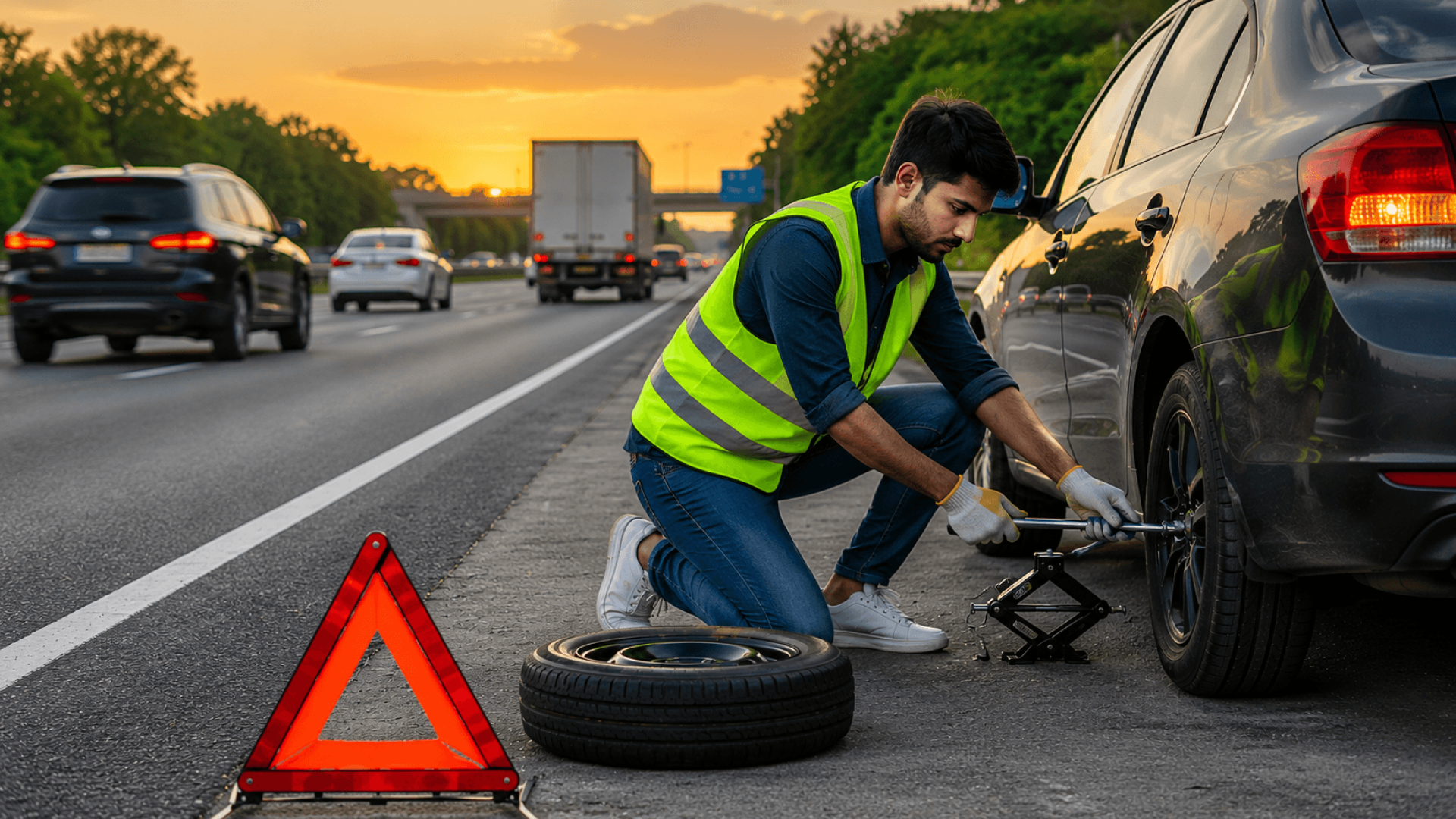
A flat tire can happen without warning, whether you're commuting to work, running errands, or traveling on the highway. The sudden loss of tire pressure can be alarming, especially if it occurs at higher speeds or in heavy traffic. While it's natural to feel stressed, knowing what to do immediately after a flat tire can help you stay safe and prevent additional damage to your vehicle.
Some flat tires can be resolved with a spare tire, while others require professional roadside assistance or towing. The right response depends on where you are, the condition of your vehicle, and whether it's safe to change the tire yourself.
This guide explains the steps you should take immediately after getting a flat tire, common mistakes to avoid, and when it's best to call for professional roadside assistance.
Quick Answer
If you get a flat tire while driving, stay calm, slow down gradually, avoid sudden braking, and pull over to a safe location. Turn on your hazard lights, assess the situation, and determine whether it's safe to change the tire or if you should contact professional roadside assistance.
Key Takeaways
Stay calm and avoid sudden steering or hard braking.
Pull over to a safe location away from moving traffic.
Turn on your hazard lights immediately.
Inspect the tire only after your vehicle is safely parked.
Not every flat tire can be safely changed on the roadside.
Driving on a flat tire can cause additional damage to the wheel and suspension.
Roadside assistance can help with tire changes if conditions are unsafe.
Professional towing may be necessary if the vehicle cannot be safely driven.
Stay Calm and Maintain Control
A flat tire can cause your vehicle to pull to one side or feel unstable. Your first priority is maintaining control.
Avoid slamming on the brakes or making sudden steering movements. Instead, keep both hands on the steering wheel and gradually reduce your speed. Gentle braking allows you to remain in control while looking for a safe place to stop.
If you're driving on a highway, continue carefully until you can reach a shoulder, rest area, or nearby parking lot if possible. Knowing what to do after a car breakdown on the highway can significantly improve your safety.
Move to a Safe Location
Once you've slowed down, pull your vehicle as far away from moving traffic as possible.
A wide shoulder, parking lot, or side street is generally much safer than stopping in an active traffic lane. If you cannot completely leave the roadway, position your vehicle as far to the side as conditions allow. Learning how to stay safe while waiting for a tow truck is essential when stranded in high-traffic zones.
Safer Places to Stop
Parking lots
Wide road shoulders
Rest areas
Side streets with low traffic
Designated emergency pull-off areas
Avoid stopping on curves, hills, bridges, or areas with poor visibility whenever possible.
Turn On Your Hazard Lights
Hazard lights help alert other drivers that your vehicle is disabled.
Turn them on as soon as you recognize the flat tire and leave them on while your vehicle remains stopped. If you have reflective warning devices and it is safe to place them outside your vehicle, they can improve visibility, particularly during nighttime or poor weather conditions.
Inspect the Tire Carefully
After you've parked safely, take a look at the damaged tire.
Sometimes the problem is obvious, such as a puncture, torn sidewall, or completely deflated tire. Other times, the damage may be less noticeable.
Avoid placing yourself in danger while inspecting the vehicle. If traffic is heavy or you're on a narrow shoulder, staying inside the vehicle may be the safer option until help arrives.
Warning Signs the Tire Cannot Be Safely Changed
Look for These Issues:
Sidewall damage
Bent or cracked wheel
Multiple flat tires
Severe tread separation
Vehicle leaning unusually
Damage caused by an accident
These situations often require emergency towing rather than a simple roadside tire change.
Decide Whether It's Safe to Change the Tire
Not every flat tire should be changed on the side of the road.
If you have the proper equipment, know how to install the spare tire, and are parked in a safe location, changing the tire may be an option. However, understanding when you should call for professional towing instead of DIY can save you from hazardous situations.
Many roadside situations are not safe for a tire change, especially if you're on a busy highway, uneven ground, or in poor weather.
It May Be Safer to Call for Help If:
Traffic is moving quickly nearby.
Visibility is poor.
You don't have a usable spare tire.
You're unfamiliar with changing a tire.
The vehicle is unstable.
The wheel appears damaged.
In these situations, professional flat tire help can often replace the tire safely or recommend towing if necessary.
Avoid Driving on a Flat Tire
One of the biggest mistakes drivers make is attempting to continue driving after a tire loses pressure.
Even driving a short distance on a flat tire can damage the wheel, reduce vehicle control, and potentially lead to more extensive repairs.
If your tire has completely lost air, stop driving as soon as it is safe to do so.
Common Mistakes to Avoid
Don't:
Continue driving on a flat tire.
Ignore unusual noises or vibrations.
Attempt repairs in unsafe traffic conditions.
Crawl underneath the vehicle.
Use damaged lifting equipment.
Making safety your priority helps reduce the risk of injury and additional vehicle damage.
When Should You Call Roadside Assistance?
Professional roadside assistance can be the safest solution when changing the tire yourself isn't practical or safe.
Roadside assistance may help if:
You don't have a spare tire.
The lug nuts cannot be removed.
The tire cannot be safely changed.
You're stranded in an unfamiliar area.
The flat occurred during severe weather.
You're unable to safely complete the repair.
If the tire damage prevents the vehicle from being safely driven, dedicated flat tire change services or emergency towing may be necessary to transport your vehicle to a repair facility.
How to Reduce the Risk of Future Flat Tires
While some punctures are unavoidable, regular maintenance can reduce the likelihood of experiencing a flat tire.
Good Tire Care Habits
Check tire pressure regularly.
Inspect tires for cuts and uneven wear.
Replace worn tires when needed.
Avoid road debris whenever possible.
Rotate tires according to your vehicle manufacturer's recommendations.
Check tire condition before long trips.
Vehicle maintenance can reduce emergency roadside calls by catching potential problems before they lead to unexpected breakdowns.
Conclusion
A flat tire can quickly interrupt your day, but knowing how to respond can make the situation much safer. Staying calm, moving to a secure location, turning on your hazard lights, and carefully assessing the damage are the most important first steps. While some flat tires can be handled with a spare, others require professional assistance to avoid unnecessary risks or additional vehicle damage.
If you're unable to safely change your tire or your vehicle cannot continue driving, A&Z Towing can provide professional roadside assistance and towing services. Whether you need help with a flat tire, a jump start, fuel delivery, vehicle lockout assistance, or emergency towing, seeking professional assistance can get you back on the road as safely as possible.