What Happens During a Professional Towing Service?
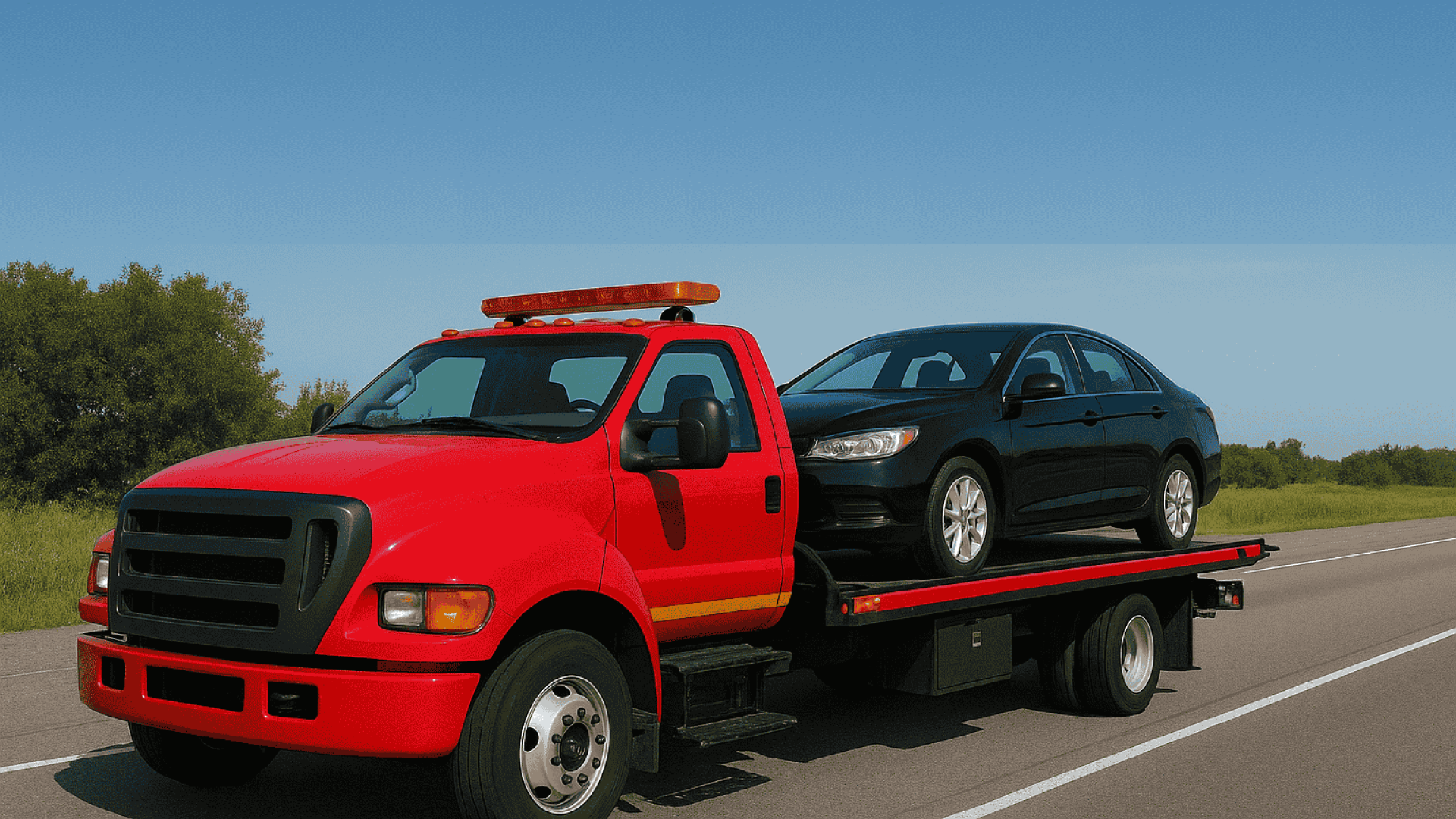
Needing a tow truck is rarely part of anyone's plans. Whether your vehicle has broken down, won't start, or has been involved in an accident, you may be wondering what happens after you call for professional towing. If you've never needed a tow before, it's normal to have questions about the towing process and what you should expect.
Professional towing services are designed to move disabled vehicles safely while helping reduce additional stress during an already difficult situation. From the initial call to transporting your vehicle, each step focuses on safely recovering and relocating your vehicle.
This guide explains what typically happens during a professional towing service, how you can prepare while waiting, and why using experienced towing professionals is often the safest choice when your vehicle cannot be driven.
Quick Answer
During a professional towing service, you'll provide information about your location and vehicle, the tow truck operator will assess the situation upon arrival, safely secure your vehicle using appropriate towing equipment, and transport it to your requested destination if it can be moved safely.
Key Takeaways
Professional towing begins with gathering important information about your vehicle and location.
The tow truck operator evaluates the situation before moving the vehicle.
Proper vehicle securement helps reduce movement during transport.
Different roadside situations may require different towing approaches.
Driver safety remains a priority throughout the towing process.
You should remove personal belongings before your vehicle is transported whenever possible.
Roadside assistance may solve some problems without requiring a tow.
Professional towing can help move vehicles safely after breakdowns or accidents.
Step 1: Contact a Professional Towing Company
The towing process begins when you contact a full-service towing company.
Providing accurate information helps the dispatcher understand your situation and determine what type of assistance may be appropriate.
Information You May Be Asked to Provide
Your exact location
Vehicle make and model
Vehicle color
Description of the problem
Whether the vehicle has been involved in an accident
Whether the vehicle can roll or steer safely
Your preferred destination, if towing is needed
Knowing what information to provide when calling a tow truck can help ensure the towing team arrives prepared for your specific situation.
Step 2: Stay Safe While Waiting
Once you've requested assistance, your priority should be staying safe.
If possible, move your vehicle to a safe location away from traffic. Turn on your hazard lights so other drivers can clearly see your disabled vehicle.
If your vehicle cannot be safely moved, remain aware of your surroundings and follow local safety recommendations based on your location and traffic conditions.
Safety Tips While Waiting
Help Protect Yourself By:
Staying visible to other drivers.
Keeping your hazard lights on.
Remaining a safe distance from moving traffic whenever possible.
Keeping your phone nearby in case the towing company needs to contact you.
Learning how to stay safe while waiting for a tow truck is essential while help is on the way.
Step 3: Vehicle Assessment
When the tow truck operator arrives, they will first assess the condition of your vehicle before beginning the towing process.
This inspection helps determine how the vehicle can be safely loaded and transported. The operator may also check for visible damage, wheel condition, or whether specialized machinery like flatbed towing vs. wheel-lift towing is required.
Every roadside situation is different, so the assessment helps ensure the safest approach is used.
Step 4: Preparing the Vehicle for Towing
Before loading your vehicle, the operator will prepare it for transport.
This typically includes positioning the tow truck, securing the vehicle, and ensuring it is ready to be safely moved. Learning how to prepare your vehicle before the tow truck arrives can speed up this phase.
Before Your Vehicle Is Loaded
You May Be Asked To:
Remove valuable personal belongings.
Turn off the engine if it's still running.
Place the vehicle in the appropriate position if instructed.
Confirm the destination for transport.
Following the operator's instructions helps make the loading process safer and more efficient.
Step 5: Securing the Vehicle
One of the most important parts of professional towing is properly securing the vehicle.
The operator uses specialized towing equipment to stabilize the vehicle before transport. Proper securement helps minimize unnecessary movement while the vehicle is being transported.
The exact method depends on factors such as the vehicle's condition, location, and recovery requirements.
Step 6: Transporting the Vehicle
Once the vehicle has been safely secured, it is transported to the requested destination.
Depending on your situation, this may be:
An auto repair facility
Your home
Another safe location you request
A location where additional repairs can be arranged
Throughout transport, the goal is to move the vehicle safely while helping reduce the possibility of additional damage.
When Roadside Assistance May Be Enough
Not every roadside emergency requires towing. Many times, can roadside assistance help without towing your vehicle? Yes, some problems can often be resolved where the vehicle is located.
Roadside Assistance May Help With:
Dead batteries requiring battery jumpstart services
If the issue cannot be safely resolved on-site, towing may then become the next appropriate step.
Situations That Commonly Require Professional Towing
Many different roadside situations can make driving unsafe or impossible.
Common Reasons Drivers Request Towing
Engine failure
Transmission problems
Overheating
Multiple flat tires
Steering or brake problems
Vehicles that will not start after troubleshooting
Recognizing when your vehicle should not be driven can help prevent further damage and improve overall road safety.
How You Can Prepare Before Help Arrives
While waiting for a tow truck, a few simple steps can make the process smoother.
Helpful Checklist
Before the Tow Truck Arrives:
Know your location if possible.
Keep your phone available.
Gather your driver's license and vehicle information if needed.
Remove important personal belongings.
Follow any instructions provided by the towing company.
Being prepared helps the towing process move more efficiently once assistance arrives.
Conclusion
A professional towing service is designed to safely move your vehicle when it cannot be driven or when continuing to drive could create additional risks. From gathering information during your initial call to assessing, securing, and transporting your vehicle, each step focuses on protecting both you and your vehicle during a stressful roadside situation.
If your vehicle breaks down or becomes unsafe to drive, A&Z Towing can provide professional emergency towing and roadside assistance services. Whether you need towing, a jump start, flat tire assistance, fuel delivery, or vehicle lockout assistance, seeking prompt professional help can make an unexpected roadside emergency easier to handle.