Can Roadside Assistance Help If Your Vehicle Is Drivable but Unsafe?
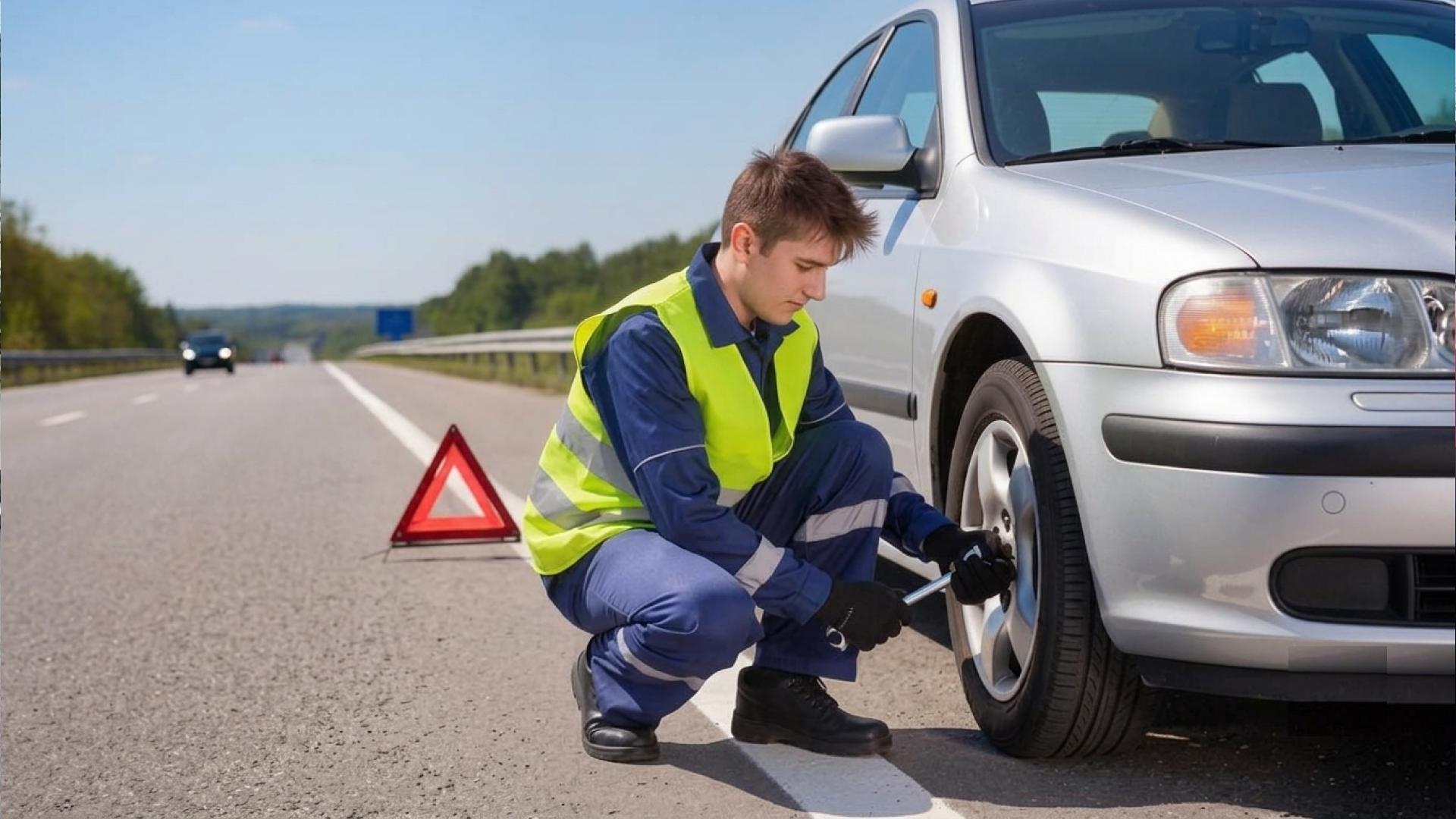
A vehicle does not have to stop completely before roadside assistance becomes necessary. In fact, some of the more difficult roadside decisions happen when a car still moves but something feels wrong. You may be able to steer it, accelerate, and reach your destination, yet continuing to drive could put you, your passengers, or other motorists at risk.
A damaged tire, overheating engine, weak battery, steering problem, brake issue, fluid leak, or collision damage can leave a vehicle technically drivable but unsafe for normal road use. The question is what to do next: drive slowly to a repair shop, pull over and call for help, or request a towing service?
In most questionable situations, professional roadside assistance can help you make that decision and provide the appropriate service. Depending on the problem, that may mean a tire change, jump-start, fuel delivery, minor roadside assistance, or towing the vehicle to a safer location or repair facility.
For drivers in Marrero, Harvey, Gretna, Westwego, and surrounding Louisiana areas, understanding when a drivable vehicle should not be driven farther can prevent a minor problem from becoming a roadside emergency.
What Does “Drivable but Unsafe” Actually Mean?
A vehicle is drivable but unsafe when it can physically move under its own power but has a mechanical, electrical, tire, steering, braking, or collision-related problem that makes continued driving risky.
This distinction matters because many drivers associate towing only with vehicles that will not start. That is not how towing and roadside assistance work in practice.
A car might start normally and still need a tow.
For example, imagine you discover that one tire has a severe sidewall bulge. The tire may still hold air, and the vehicle may move normally for a short distance. That does not make it safe to continue driving at highway speed.
Likewise, a vehicle that is overheating may still run, but driving farther can cause additional engine damage or leave you stranded in a dangerous location.
Common Signs That a Vehicle May Be Unsafe to Drive
Pay attention to changes in how the vehicle behaves. Warning signs can include:
A tire with a large puncture, damaged sidewall, bulge, or severe loss of air
Brakes that feel soft, weak, or unusually difficult to operate
Steering that suddenly feels loose, heavy, or difficult to control
Strong vibrations that appear suddenly
A vehicle pulling sharply to one side
Engine temperature rising into the overheating range
Smoke or steam coming from the vehicle
Significant fluid leaking underneath the vehicle
Strong fuel or burning smells
Dashboard warnings associated with serious mechanical problems
Damage from an accident that affects wheels, suspension, lights, steering, or body structure
A damaged wheel or suspension component
Electrical problems that cause the vehicle to lose essential functions
One unusual sound does not automatically mean a tow is required. The key question is whether continuing to drive could reasonably make the situation worse or reduce your ability to control the vehicle.
Can Roadside Assistance Help If the Car Still Runs?
Yes. Roadside assistance is not limited to vehicles that are completely disabled.
A roadside provider can assess the situation and determine whether a roadside service or towing service is more appropriate. The exact assistance available depends on the vehicle, the problem, the location, and the equipment needed.
For a relatively simple problem, roadside assistance may get you safely back on the road.
For a problem involving significant mechanical, tire, steering, brake, suspension, or collision damage, towing may be the safer choice.
When a Roadside Service May Be Enough
Some problems can potentially be resolved where the vehicle is parked.
Examples include:
Dead battery requiring a jump-start
Flat tire when a usable spare is available
Locked keys inside the vehicle
Running out of fuel
Certain minor roadside issues that can be safely addressed at the location
A roadside technician can sometimes restore basic mobility without requiring a tow.
That does not mean every roadside problem should be repaired at the scene. If the vehicle remains unsafe after the roadside service, it should not be driven simply because it starts or moves again.
When Towing Is the Better Choice
A tow is generally more appropriate when the vehicle has a problem that cannot be safely corrected at the roadside or when continued driving could cause additional damage.
Examples include:
Serious collision damage
Major tire or wheel damage
Brake problems
Steering problems
Suspension damage
Severe overheating
Significant fluid leaks
Engine or transmission problems
A vehicle that has become mechanically unreliable
A vehicle that is technically moving but cannot be operated safely
In these cases, light-duty towing or flatbed towing may be appropriate depending on the vehicle and its condition.
Why Driving a “Mostly Fine” Vehicle Can Be Risky
One of the most common mistakes drivers make is judging vehicle safety by whether the engine starts.
Starting is only one part of safe vehicle operation.
A vehicle needs functioning steering, brakes, tires, suspension, visibility, electrical systems, and other components to operate safely. A problem in any of these areas can change the risk dramatically.
A Small Problem Can Become a Larger One
Some mechanical problems become worse as the vehicle is driven.
An overheating engine is a good example. A driver may think, “I only need to make it another few miles.” If the cooling system is failing, those additional miles could turn a manageable roadside problem into extensive engine damage.
The same principle applies to tires. A tire that is losing pressure can become increasingly unstable as you continue driving, particularly at higher speeds.
The Roadside Environment Matters Too
A vehicle that might be safe to move a short distance in a controlled environment may not be safe to drive through busy traffic.
Consider where the vehicle is located:
A highway shoulder
A busy intersection
A narrow residential street
A bridge
A construction zone
A poorly lit road
A location with limited visibility
If the vehicle is in an exposed or dangerous position, getting professional roadside assistance may be safer than attempting to drive it elsewhere.
What Should You Do If Your Vehicle Is Drivable but Unsafe?
The safest response starts with reducing your exposure to traffic and avoiding unnecessary driving.
1. Assess the Immediate Situation
If something feels seriously wrong, slow down carefully and look for a safe place to stop.
If the vehicle is already stopped, avoid moving it unless remaining where it is presents a greater immediate danger.
Do not attempt to diagnose a complicated mechanical problem while standing in an active traffic lane.
2. Turn on Your Hazard Lights
Hazard lights can help make your vehicle more visible to approaching drivers.
If you have warning triangles, reflective equipment, or other roadside safety equipment and can place it safely, use it according to the conditions around you. Never put yourself in danger just to make the vehicle more visible.
3. Look for Obvious Problems
From a safe position, check for obvious signs such as:
A visibly flat or damaged tire
Smoke or steam
Fluid underneath the vehicle
Severe body damage
A warning light
A loose or damaged wheel
An unusual smell
Avoid reaching under the vehicle or attempting repairs in an unsafe location.
4. Decide Whether Roadside Assistance or Towing Is Appropriate
If you are uncertain whether the vehicle is safe to drive, describe the symptoms to the roadside provider.
Useful information includes:
Your exact location
Vehicle make, model, and year
What happened
Whether the vehicle starts
Whether it moves
Any warning lights
Tire condition
Unusual noises, smells, smoke, or leaks
Whether the vehicle was involved in an accident
This information can help the provider determine what type of assistance may be needed.
5. Follow the Recommended Safety Plan
If the vehicle requires towing, avoid driving it farther just because it technically can move.
A professional tow can relocate the vehicle without requiring you to take an unnecessary risk.
Drivable Does Not Always Mean Safe: Practical Examples
Real roadside situations often fall into a gray area. Here are several examples.
Example 1: A Tire Is Losing Air
You notice one tire is low but the vehicle still handles normally.
If the tire has a minor issue and can be safely changed using the spare, roadside tire assistance may solve the problem.
If the tire has significant sidewall damage, a damaged wheel, or another serious defect, driving to a tire shop may not be worth the risk. A tow may be the better option.
Example 2: The Engine Is Overheating
The vehicle still runs, but the temperature gauge is climbing.
Continuing to drive is generally a poor choice. Pull over safely, turn the vehicle off, and allow it to cool if conditions permit. Do not remove a hot radiator cap.
Roadside assistance can help determine the next step, and towing may be appropriate if the cooling-system problem cannot be safely resolved.
Example 3: The Steering Feels Wrong
You notice that the steering wheel has suddenly become unusually loose, heavy, or difficult to control.
This is not a problem to test by driving farther.
Steering affects your ability to control the vehicle, so a serious steering issue warrants stopping in a safe location and arranging professional assistance.
Example 4: The Vehicle Was in a Minor Collision
The engine starts and the vehicle moves after an accident, but the bumper, wheel, suspension, lights, or other components are damaged.
It may look drivable, but hidden damage can make driving unsafe.
A tow can move the vehicle to a repair facility while avoiding unnecessary road exposure.
Roadside Assistance vs. Towing: Which One Do You Need?
The two services overlap, but they solve different problems.
Roadside assistance is generally intended to address certain problems at the vehicle's location. This can include jump-starts, flat-tire assistance, lockout assistance, and fuel delivery.
Towing is used when the vehicle needs to be transported because it cannot or should not be driven.
A simple way to think about the decision is:
The problem can be safely corrected at the roadside: roadside assistance may be appropriate.
The problem cannot be safely corrected there: towing may be necessary.
You are unsure whether driving is safe: stop driving and explain the symptoms to a professional.
The vehicle has serious steering, braking, tire, suspension, overheating, or collision damage: towing is often the safer option.
The correct service depends on the circumstances rather than simply whether the engine runs.
Can a Tow Truck Move a Vehicle That Still Drives?
Yes. A tow truck does not require a vehicle to be completely disabled.
A vehicle may be towed because driving it could cause further damage or create an unnecessary safety risk. This is particularly relevant after accidents or when a vehicle has a tire, wheel, steering, suspension, or other mechanical problem.
The towing method depends on the vehicle and its condition.
Light-Duty Towing
Light-duty towing is commonly used for passenger cars, SUVs, pickups, and other smaller vehicles.
The appropriate equipment depends on factors such as vehicle configuration, drivetrain, damage, weight, and whether the wheels can safely support movement.
Flatbed Towing
Flatbed towing places the vehicle onto a flat platform rather than relying on the vehicle's wheels to travel on the roadway.
This can be useful for vehicles with certain types of damage, vehicles that need extra protection during transport, and situations where keeping all four wheels off the road is appropriate.
A professional towing provider can determine which method is suitable for the specific vehicle.
Common Misconceptions About Unsafe but Drivable Vehicles
“If It Starts, It Is Safe to Drive.” Not necessarily. A working engine does not confirm that the brakes, tires, steering, suspension, or other critical systems are safe.
“I Can Drive Slowly to the Repair Shop.” Driving slowly does not eliminate every mechanical risk. A damaged tire, failing brake system, severe overheating, or steering problem can remain dangerous even at low speed.
“A Tow Is Only for Completely Broken Vehicles.” A vehicle can require towing even when it starts and moves. Preventing further damage or avoiding an unsafe drive are valid reasons to arrange transportation.
“Roadside Assistance Only Means a Jump-Start.” Roadside assistance can include several types of emergency help, depending on the provider and situation. Tire assistance, lockout service, fuel delivery, and other roadside services may be available.
Best Practices for Handling a Potentially Unsafe Vehicle
A few simple habits can make roadside emergencies easier to manage.
Keep Basic Vehicle Information Available: Know your vehicle's make, model, year, and approximate location when requesting assistance.
Pay Attention to Warning Signs: Do not ignore new dashboard warnings, unusual noises, smells, vibrations, or handling changes simply because the vehicle still moves.
Avoid Unnecessary Testing: If you suspect a serious problem, repeatedly starting the vehicle or driving around to “see if it gets better” can make the situation worse.
Tell the Tow Provider What Happened: Accurate information helps the towing company prepare appropriate equipment.
Prioritize Your Safety Over Convenience: Getting home a little faster is not worth taking a chance with a vehicle that may not respond properly.
Roadside Assistance in Marrero and Nearby Louisiana Communities
A vehicle problem can happen anywhere: in a driveway, parking lot, neighborhood street, or major roadway.
A&Z Towing LLC provides 24/7 towing and roadside assistance for drivers in Marrero, Harvey, Gretna, Westwego, and surrounding Louisiana areas. Services include emergency towing, light-duty towing, flatbed towing, vehicle recovery, and roadside assistance for common problems such as flat tires, dead batteries, lockouts, and breakdowns.
For a vehicle that is technically drivable but appears unsafe, describe the symptoms clearly when requesting assistance. The more useful information you can provide, the easier it is to determine whether roadside assistance or towing is the appropriate response.
What Information Should You Give a Roadside Assistance Provider?
Before calling, gather as much information as you can safely provide.
Tell the provider:
Where you are: Give the street, nearby landmark, business, highway, exit, or other useful location details.
What happened: Explain whether the problem started suddenly, followed an accident, or developed gradually.
Whether the vehicle moves: Say whether it starts, runs, rolls, or has to remain stationary.
What you can see: Mention tire damage, smoke, leaks, warning lights, or visible collision damage.
Vehicle details: Provide the make, model, and approximate size or type of vehicle.
Safety concerns: Explain if the vehicle is blocking traffic, sitting on a shoulder, or located somewhere difficult to access.
Do not put yourself at risk to inspect the vehicle more closely. Your safety comes first.
Conclusion
A vehicle does not need to be completely disabled before roadside assistance or towing becomes appropriate. If your car still moves but has a serious tire, brake, steering, suspension, overheating, fluid, electrical, or collision-related problem, continuing to drive may create unnecessary risk.
The safest approach is to stop somewhere secure when possible, turn on your hazard lights, assess only what you can safely observe, and explain the problem to a professional roadside provider. A simple issue may be handled with roadside assistance, while a vehicle that should not be driven can be transported with a suitable towing service.
For drivers in Marrero, Harvey, Gretna, Westwego, and nearby Louisiana communities, knowing this distinction can make a stressful roadside situation much easier to handle. If something feels wrong with your vehicle, do not rely solely on the fact that it still starts. Drivable and safe are not always the same thing.
Frequently Asked Questions
Can roadside assistance help if my car still runs but is unsafe?
Yes. Roadside assistance can help determine whether the problem can be addressed where the vehicle is located or whether towing is safer. A vehicle may need towing even if its engine starts and the vehicle can technically move.
Should I drive my car to a repair shop if it has a serious problem?
Not always. If the vehicle has serious tire, brake, steering, suspension, overheating, or collision damage, driving to a repair shop may create additional risk. A tow can transport the vehicle without requiring you to drive it.
Can a tow truck tow a vehicle that is still drivable?
Yes. Towing is not limited to completely disabled vehicles. A vehicle may be towed because it has damage or a mechanical problem that makes continued driving unsafe or could cause additional damage.
Is a flat tire a reason to call roadside assistance?
Yes. Roadside assistance may be able to change a flat tire when a suitable spare is available. If the tire or wheel is severely damaged or the vehicle cannot safely be moved, towing may be a better option.
Should I drive if my car is overheating but still running?
It is generally safer to stop driving and arrange assistance rather than continue driving an overheating vehicle. Continued operation can worsen the problem. Avoid opening a hot radiator or cooling-system cap because pressurized coolant can cause serious burns.
Can roadside assistance help after a minor accident if the car still moves?
Yes. A vehicle may appear drivable after a collision while still having hidden damage affecting the tires, wheels, suspension, steering, lights, or other components. Professional assessment and towing may be appropriate before driving farther.
What should I do if my steering suddenly feels different?
Slow down carefully and move to a safe location if you can do so without creating additional danger. Avoid continuing to drive with a serious steering problem. Contact roadside assistance or towing and explain exactly how the steering changed.
How do I know whether I need roadside assistance or towing?
If the problem can potentially be corrected safely at the vehicle's location, roadside assistance may be enough. If the vehicle has serious damage or cannot be driven safely, towing is generally the more appropriate option.
Can a dead battery make a vehicle unsafe to drive?
A dead battery itself usually prevents the vehicle from starting rather than making an already-running vehicle unsafe. However, electrical or charging-system problems can create additional issues. Roadside assistance can provide a jump-start or help determine whether towing is needed.
What information should I provide when requesting towing or roadside assistance?
Provide your location, vehicle make and model, what happened, whether the vehicle starts or moves, visible damage, warning lights, and any unusual noises, smells, smoke, or leaks. This helps the provider understand the situation and prepare appropriately.