What Should You Do After Your Vehicle Becomes Disabled on a Louisiana Road?
Introduction
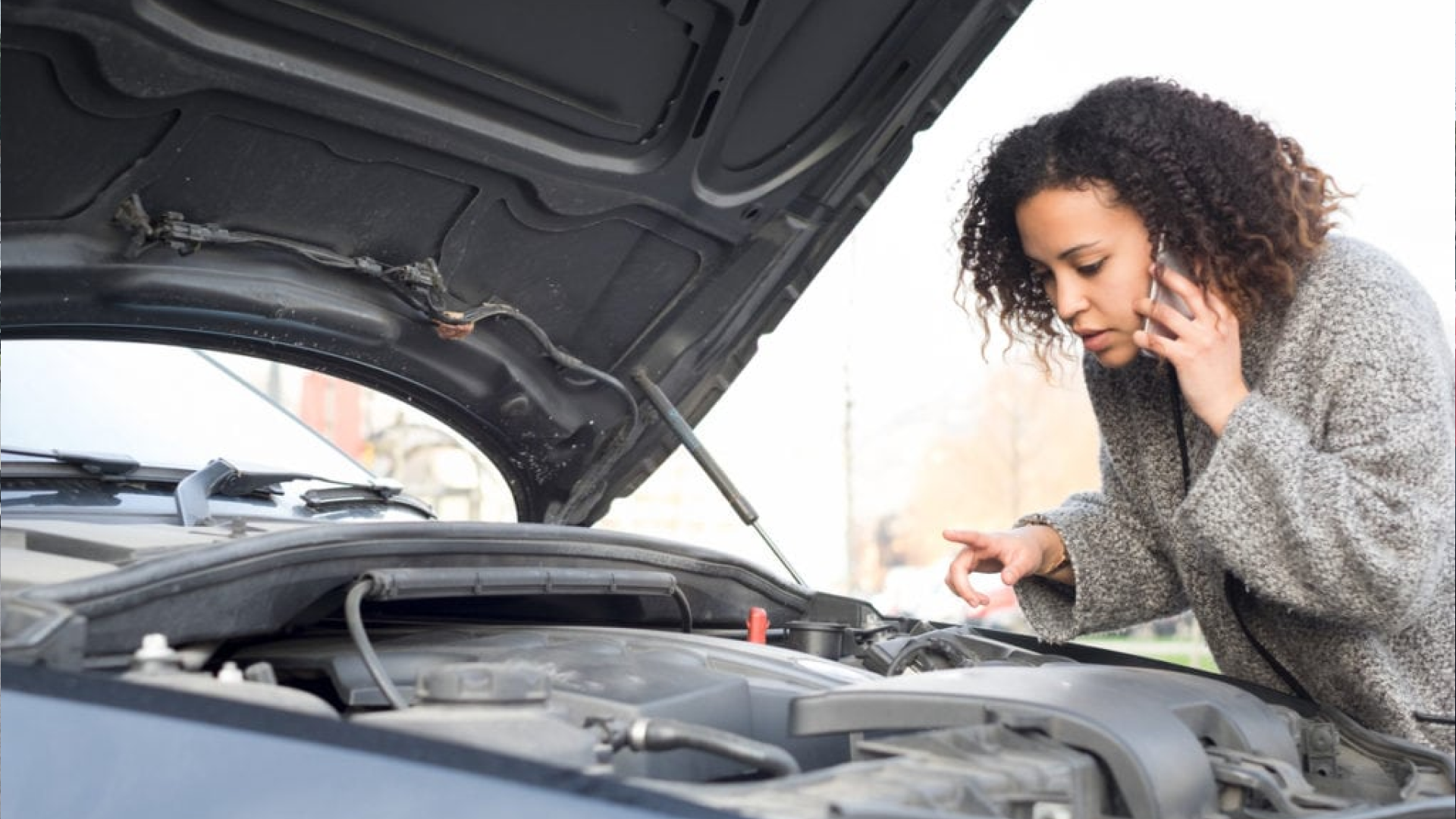
A vehicle can become disabled with little warning. An engine may suddenly stop running, a tire may blow out, the battery may die, or an accident may leave the vehicle unable to continue safely. On a Louisiana road, especially along a busy highway or in heavy traffic, knowing what to do next can make a stressful situation much safer.
The first priority is not getting the vehicle moving again. It is protecting yourself, your passengers, and other drivers from an additional collision or roadside hazard. Once everyone is in a safe position, you can determine whether the problem can be handled with basic roadside assistance or whether the vehicle needs professional emergency towing or recovery.
Drivers in Marrero, Harvey, Gretna, Westwego, and surrounding Louisiana communities can face a wide range of roadside problems. Understanding the right sequence of actions can help you make better decisions while waiting for assistance.
Move to a Safe Location If You Can
If the vehicle is still capable of moving, get it as far away from active traffic as reasonably possible. A shoulder, parking area, nearby side street, or other safe location is generally preferable to remaining in a travel lane.
Do not continue driving simply to reach a preferred destination if the vehicle is showing signs of a serious mechanical problem. Continuing to drive with an overheated engine, damaged tire, failing brakes, or another major issue can create additional damage and increase the risk of a collision.
Turn on Your Hazard Lights
Hazard lights alert approaching drivers that your vehicle is disabled or experiencing a problem.
Turn them on as soon as it is safe to do so, particularly if your vehicle is stopped near moving traffic. At night, during heavy rain, or in poor visibility, making your vehicle noticeable becomes even more important.
Keep the Vehicle in a Safe Position
If your vehicle has stopped in a dangerous location and cannot be moved, remain calm and assess the surroundings before getting out.
A vehicle stopped on an active roadway presents different risks from one parked safely on a shoulder. Do not automatically exit the vehicle without considering traffic, road conditions, and the location of your passengers.
Do Not Attempt a Dangerous Repair
A disabled vehicle is not the right place for complicated mechanical work, particularly beside fast-moving traffic.
If the problem is beyond something simple and safe to address, call roadside assistance or a towing professional. Waiting for qualified help is usually preferable to standing beside traffic while attempting an unfamiliar repair.
Assess What Caused the Breakdown
Once you are in a safer position, try to identify what happened. You do not need to diagnose the entire mechanical problem, but a few observations can help determine what type of assistance you need.
Think about what happened immediately before the vehicle stopped. Did the engine shut off suddenly? Did you hear a loud noise? Did the dashboard show a warning light? Did the steering become difficult? Did you feel a tire go flat? Did the vehicle overheat?
Common Reasons a Vehicle Becomes Disabled
Roadside emergencies can result from many different problems, including:
Dead or weak batteries
Flat or damaged tires
Engine overheating
Mechanical breakdowns
Electrical problems
Empty fuel tanks
Brake problems
Accident damage
Transmission problems
Vehicle lockouts
Steering or suspension failures
The symptoms you noticed can help a towing or roadside assistance provider understand what equipment or service may be appropriate.
Know When Not to Restart the Vehicle
Repeatedly trying to start a vehicle is not always a good idea.
If you smell fuel, see smoke, notice significant fluid leaking, hear severe mechanical noises, or suspect a serious electrical or engine problem, avoid repeatedly attempting to restart the vehicle. Explain the symptoms to the roadside professional instead.
Decide Whether You Need Roadside Assistance or Towing
Not every disabled vehicle needs to be towed immediately. Some problems can be resolved at the roadside, while others require transportation to a repair facility.
Roadside assistance may be appropriate for issues such as a dead battery, flat tire, vehicle lockout, or fuel-related problem. If the vehicle cannot safely continue after the roadside service is performed, towing may still be necessary.
When Roadside Assistance May Be Enough
A roadside service provider may be able to help with relatively straightforward problems such as:
Battery jump-start assistance
Flat tire assistance
Vehicle lockouts
Fuel delivery
Basic roadside troubleshooting
The appropriate service depends on the vehicle, location, and nature of the problem.
When You Should Request a Tow
A tow is generally more appropriate when the vehicle cannot be safely driven or requires mechanical attention elsewhere.
Examples include a vehicle involved in a collision, a vehicle with major mechanical damage, an overheated engine that should not be driven, or a car with significant steering, braking, suspension, or transmission problems.
If you are unsure whether driving the vehicle is safe, explain the symptoms to the towing provider before attempting to continue.
What Information Should You Give the Towing Company?
When you call for towing or roadside assistance, accurate information can make the process more efficient.
Start with your exact location. If you are on a highway, provide the road name, direction of travel, nearby exit, mile marker if available, and a recognizable landmark.
Information to Have Ready
Try to provide:
Your exact or approximate location
The direction you were traveling
The vehicle's make, model, and approximate size
The type of problem you experienced
Whether the vehicle can move
Whether you are blocking traffic
Whether anyone is injured
Whether the vehicle was involved in an accident
Your preferred destination if a tow is required
If the vehicle is in a ditch, mud, uneven terrain, or another difficult position, mention that before assistance arrives. A standard tow and a vehicle recovery situation may require different equipment and techniques.
Explain Any Special Circumstances
Tell the provider if the vehicle has severe damage, locked wheels, unusual clearance, or other conditions that could affect loading.
Clear information helps the towing professional prepare for the situation rather than arriving without knowing what the vehicle requires.
What Should You Do While Waiting for Help?
After requesting assistance, stay focused on safety.
Keep your hazard lights operating when appropriate and monitor traffic around the vehicle. If you have emergency equipment such as reflective warning devices, use it only when doing so does not put you in danger.
Stay Aware of Traffic
A roadside location can change quickly. Passing vehicles may move closer to the shoulder, and drivers may not see a disabled vehicle until they are nearby.
Avoid standing directly beside the traffic lane. If your location is unsafe, follow the guidance of emergency personnel or your roadside provider.
Keep Passengers Safe
Children, elderly passengers, and anyone with mobility limitations may need additional consideration.
If remaining inside the vehicle is safer, keep passengers buckled and inside unless there is an immediate danger that requires evacuation. If leaving the vehicle is necessary, move to a safer location away from moving traffic when conditions permit.
Be Careful With Louisiana Weather
Louisiana weather can create additional roadside challenges. Heat, heavy rain, storms, humidity, and reduced visibility can make a breakdown more difficult to manage.
Keep water available during longer trips, and avoid unnecessary exposure to extreme heat or severe weather while waiting for assistance.
What If Your Vehicle Breaks Down on a Highway?
A highway breakdown requires extra caution because vehicles may be traveling at high speeds.
If possible, move onto the shoulder without making sudden or unsafe maneuvers. Turn on your hazard lights and contact roadside assistance.
If the vehicle cannot be moved from a travel lane, treat the situation as an immediate traffic hazard. Contact appropriate emergency services when necessary and provide your exact location.
Do Not Stand Behind or in Front of the Vehicle
A disabled vehicle can be struck from behind, even when its hazard lights are operating.
Avoid standing in locations where another vehicle could hit you. A towing professional can handle vehicle positioning and loading once it is safe to do so.
What If the Vehicle Is Damaged in an Accident?
After a collision, safety comes before moving the vehicle.
Check yourself and your passengers for injuries and contact emergency services when necessary. Do not attempt to drive a vehicle that has suffered damage affecting its wheels, steering, brakes, suspension, engine, or other critical systems.
Why Accident-Damaged Vehicles May Need Towing
Collision damage is not always obvious.
A vehicle may appear driveable while having hidden damage underneath the body. Driving it could worsen the damage or create a new safety problem.
A professional towing provider can determine the appropriate towing approach based on the vehicle's condition and equipment requirements.
Understand the Difference Between Towing and Vehicle Recovery
A standard tow usually involves transporting a vehicle that can be safely loaded or connected to towing equipment.
Vehicle recovery is different. Recovery may be necessary when a vehicle is stuck in a ditch, mud, soft ground, an embankment, or another difficult position.
When Recovery Equipment May Be Needed
Recovery situations can involve specialized equipment such as winches, recovery straps, and other rigging equipment.
The exact approach depends on the vehicle's position, terrain, weight, access, and condition. A professional recovery operator can assess the situation and determine the safest practical method.
Do Not Try to Pull a Stuck Vehicle With the Wrong Equipment
Using an unsuitable chain, strap, or vehicle to pull a stuck car can cause equipment failure or additional vehicle damage.
If a vehicle is deeply stuck or positioned in a hazardous area, professional recovery is a safer choice than improvising with equipment that was not designed for the situation.
How to Prepare for a Louisiana Roadside Emergency
A little preparation can make a breakdown easier to manage.
Keep your vehicle's registration and insurance information accessible. Make sure your phone is charged before longer trips, and know how to identify your location using your phone's mapping application.
Keep Basic Emergency Supplies in Your Vehicle
Useful items may include:
Phone charger or power bank
Flashlight
Drinking water
Basic first-aid supplies
Reflective safety equipment
Blanket or weather-appropriate clothing
Tire pressure gauge
Vehicle owner's manual
These items do not replace professional roadside assistance, but they can make an unexpected stop more manageable.
Know Your Vehicle's Warning Signs
Pay attention to changes in how your vehicle operates.
Warning signs can include unusual noises, dashboard warning lights, overheating, fluid leaks, vibration, difficulty steering, repeated starting problems, or unusual smells.
Addressing developing problems before they become a complete breakdown can sometimes prevent a more difficult roadside emergency.
Common Mistakes to Avoid After a Breakdown
A stressful situation can cause drivers to make rushed decisions. Several common mistakes are worth avoiding.
Continuing to Drive a Seriously Damaged Vehicle
If your vehicle has major mechanical or collision damage, driving farther may create additional problems.
If you are uncertain, ask a qualified roadside professional whether towing is appropriate.
Standing Too Close to Traffic
The shoulder is not automatically a safe place to stand. Passing vehicles can drift toward disabled vehicles, especially during poor weather or heavy traffic.
Stay as far from moving traffic as practical.
Giving an Unclear Location
Saying that you are "somewhere on the highway" can make it difficult for a provider to find you.
Use your phone's location features and provide the highway, direction, nearest exit, and other useful landmarks.
Trying to Perform an Unsafe Repair
A roadside repair is only worthwhile if it can be performed safely.
If you would need to work underneath a vehicle, enter a travel lane, or handle equipment you are not trained to use, wait for professional assistance.
How Professional Towing Can Help
A professional towing provider does more than transport a disabled vehicle from one location to another.
The right service can help with roadside emergencies, vehicle loading, transportation, and recovery situations while reducing the need for a stranded driver to solve a potentially dangerous problem alone.
For drivers in Marrero, Harvey, Gretna, Westwego, and nearby Louisiana communities, A&Z Towing LLC provides 24/7 towing and roadside assistance for breakdowns, accidents, flat tires, lockouts, dead batteries, and other roadside emergencies.
Available services include emergency towing, light-duty towing, flatbed towing, vehicle recovery, and roadside assistance. You can also contact us or learn more about our local team.
A Simple Breakdown Safety Checklist
If your vehicle becomes disabled, remember this basic sequence:
Stay calm and assess the situation.
Move the vehicle away from traffic if it can be done safely.
Turn on your hazard lights.
Avoid dangerous repairs or repeated attempts to drive.
Determine whether you need roadside assistance, towing, or recovery.
Give the towing provider your exact location and vehicle information.
Keep yourself and passengers away from moving traffic.
Follow professional or emergency personnel instructions.
Have the vehicle inspected before continuing if a serious mechanical problem occurred.
This simple process can help you respond more safely and communicate clearly when assistance is needed.
Conclusion
A disabled vehicle can turn an ordinary Louisiana drive into a stressful situation, but knowing what to do can help you stay in control. Your first priority should always be personal safety, followed by moving the vehicle away from traffic when possible and contacting the appropriate roadside or towing service.
Whether the problem is a dead battery, flat tire, mechanical failure, collision, lockout, or vehicle stuck in a difficult location, the right response depends on the condition and position of the vehicle. Avoid risky roadside repairs, provide accurate location details, and do not drive a vehicle that may be unsafe.
For drivers in Marrero, Harvey, Gretna, Westwego, and surrounding areas, professional towing and roadside assistance can provide practical help when a vehicle cannot safely continue its journey.
Frequently Asked Questions
What should I do first if my vehicle breaks down on a Louisiana road?
Get yourself and your passengers to a safe position. If possible, move the vehicle away from active traffic, turn on your hazard lights, assess the problem, and contact roadside assistance or emergency services when appropriate.
Should I stay inside my vehicle after it breaks down?
It depends on the location and circumstances. If the vehicle is safely away from traffic, remaining inside may be appropriate. If the vehicle is in an immediate danger zone, follow emergency instructions and move to a safer location when possible.
Can I drive my vehicle after a breakdown?
Only if the vehicle appears safe to operate and the problem does not affect critical systems. If there is significant damage, overheating, brake or steering trouble, major fluid leakage, or accident damage, professional towing may be safer than continuing to drive.
What information should I give a towing company?
Provide your exact location, road and direction of travel, nearest exit or landmark, vehicle make and model, description of the problem, and whether the vehicle can move. Also mention accident damage, difficult terrain, or other conditions that may affect towing.
What is the difference between roadside assistance and towing?
Roadside assistance can address certain problems at the vehicle's location, such as a dead battery, flat tire, lockout, or fuel issue. Towing transports a vehicle when it cannot or should not safely continue driving.
When does a vehicle need professional recovery instead of a standard tow?
Recovery may be necessary when a vehicle is stuck in a ditch, mud, soft ground, an embankment, or another difficult position. These situations may require specialized recovery equipment and a different approach from a normal tow.
Is flatbed towing appropriate for a disabled car?
Flatbed towing can be useful for many vehicles, particularly when keeping all four wheels off the road is preferred or when the vehicle has certain types of damage. The appropriate towing method depends on the vehicle and its condition.
What should I do if my car breaks down during heavy traffic?
Turn on your hazard lights and move out of the travel lane if you can do so safely. Avoid standing near moving traffic, contact appropriate assistance, and provide your exact location so help can reach you efficiently.
Can roadside assistance help with a dead battery or flat tire?
Yes. Battery jump-starts and flat-tire assistance are common forms of roadside service. If the issue cannot be safely resolved at the roadside or the vehicle has additional mechanical problems, towing may be required.
What areas near Marrero does A&Z Towing serve?
A&Z Towing LLC serves Marrero, Harvey, Gretna, Westwego, and surrounding Louisiana areas. Drivers experiencing a breakdown or other roadside emergency can contact the company to discuss the location and type of assistance needed.