Common Reasons Drivers Run Out of Fuel
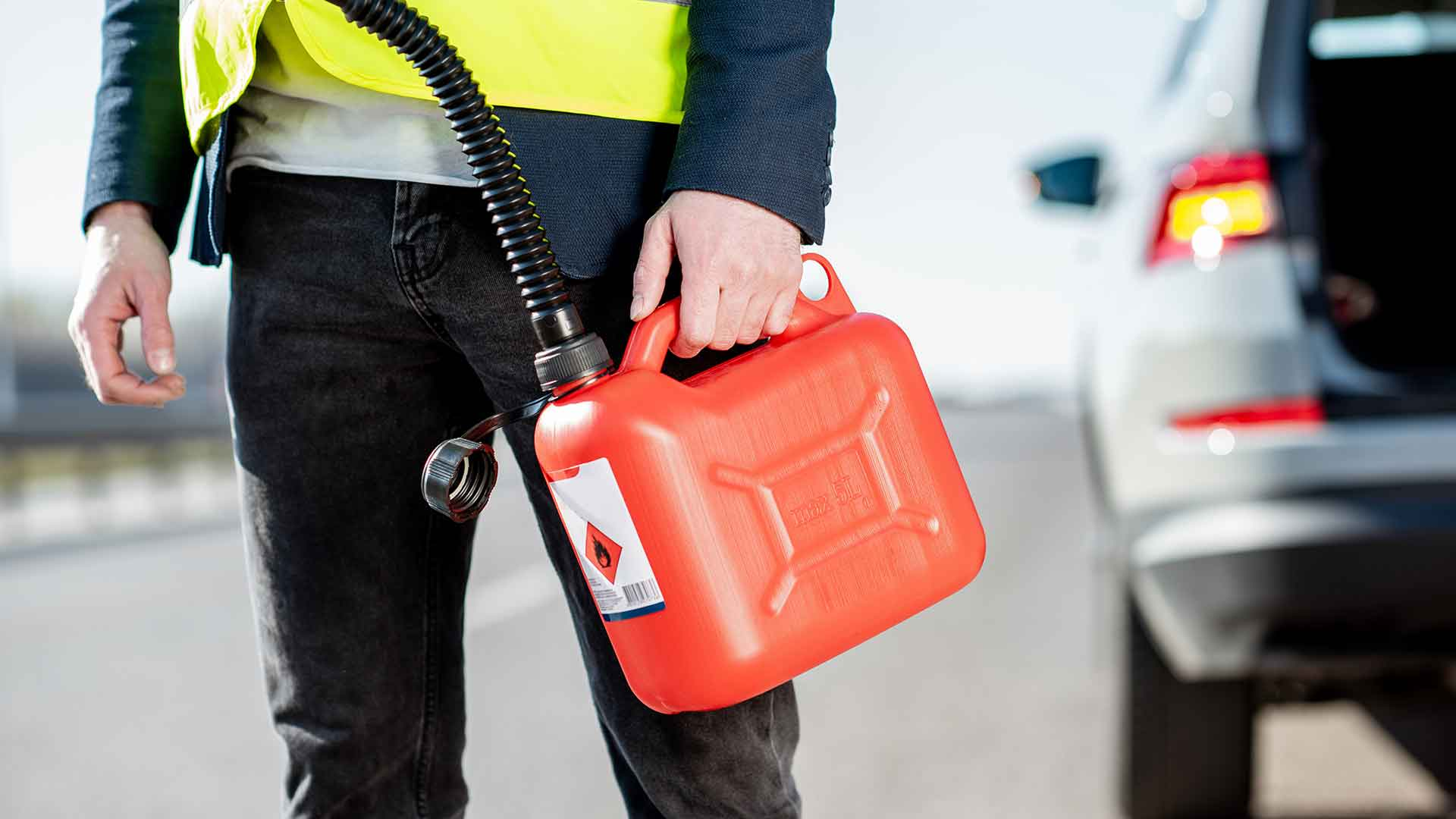
Running out of fuel is one of the simplest roadside problems to prevent, yet it can happen to almost any driver. A busy schedule, an inaccurate fuel gauge, an unfamiliar route, or the assumption that there is another gas station nearby can leave you stranded with an empty tank.
The problem becomes more stressful when it happens on a highway, at night, in an unfamiliar area, or somewhere with limited access to nearby services. Even if you realize the fuel level is getting low, you may not always have enough time or distance to reach a gas station safely.
Understanding why drivers run out of fuel can help you recognize risky situations before they become roadside emergencies. It can also help you know what to do if your vehicle stops because the tank is empty.
If your vehicle becomes disabled and you need professional roadside assistance or towing in Marrero and surrounding Louisiana communities, A&Z Towing provides 24/7 emergency towing and roadside assistance. Its services include jump-starts, tire changes, lockout assistance, emergency towing, light-duty towing, flatbed towing, and vehicle recovery.
Quick Answer
Drivers commonly run out of fuel because they ignore a low-fuel warning, misjudge how far the remaining fuel will take them, rely too heavily on the fuel-range estimate, encounter unexpected traffic or detours, or forget to refuel. If your vehicle runs out of fuel, move to a safe location when possible and seek appropriate roadside assistance rather than taking unnecessary risks.
Key Takeaways
Ignoring the low-fuel warning is one of the easiest ways to end up stranded.
A vehicle's estimated remaining range is not a guarantee of how far it can travel.
Traffic, detours, road closures, and unfamiliar roads can use more time and fuel than expected.
Driving with very little fuel can leave you vulnerable when the nearest gas station is farther away than expected.
Regularly checking your fuel level before long trips can help prevent roadside emergencies.
If your vehicle runs out of fuel, prioritize your safety and avoid walking along dangerous roads unnecessarily.
Tell roadside assistance your exact location and explain that the vehicle has run out of fuel.
If the vehicle cannot be safely moved or requires transportation, professional towing may be necessary.
Ignoring the Low-Fuel Warning
One of the most common reasons drivers run out of fuel is simple: they see the warning but assume they still have plenty of time.
A low-fuel warning is meant to alert you that the remaining fuel level is getting low. It should not be treated as a signal that you can continue driving indefinitely.
Some drivers wait until they are almost empty before stopping at a gas station. That can work when everything goes according to plan, but road conditions rarely cooperate perfectly.
Traffic can suddenly become heavier. A preferred gas station may be closed. You may miss an exit or discover that the next station is farther away than expected.
Don't treat the warning as a deadline
When the low-fuel warning appears, consider it a reminder to start looking for a convenient and safe place to refuel.
Waiting until the fuel gauge is nearly empty reduces your options if something unexpected happens.
The goal is not simply to make it to the last possible mile. The goal is to avoid becoming stranded in the first place.
Misjudging How Far the Remaining Fuel Will Take You
Another common mistake is assuming that a certain amount of fuel will always provide a specific number of miles.
Fuel consumption can vary depending on driving conditions.
Stop-and-go traffic, frequent acceleration, high speeds, heavy loads, road conditions, and other factors can affect how efficiently a vehicle uses fuel.
A driver who expects to have enough fuel for another 30 miles may discover that the actual situation is different.
Your estimated range can change
Many modern vehicles display an estimated driving range based on the amount of fuel remaining and recent driving conditions.
This can be useful information, but it should not be treated as an exact promise.
The estimated range can change as driving conditions change.
If the display says you have a limited number of miles remaining, it is safer to treat that figure as an estimate rather than planning to use every remaining mile.
Assuming There Will Always Be a Gas Station Nearby
Drivers who stay in familiar areas may have a good idea of where fuel is available.
That confidence can disappear when traveling somewhere unfamiliar.
A route may appear to have several gas stations, but some may be located farther from the main road than expected. Others may not be convenient to access from your direction of travel.
Rural and unfamiliar roads require more planning
If you are traveling through an unfamiliar area, consider your fuel level before committing to a long stretch of road.
Do not assume that a gas station will appear simply because you expect one to be nearby.
When your fuel level is already low, choosing to refuel at an available station can be wiser than waiting for a potentially more convenient one.
Unexpected Traffic Can Increase Driving Time
A route that normally takes 30 minutes can take much longer when traffic suddenly slows.
Construction, an accident, congestion, road closures, weather, or other delays can leave you sitting in traffic while your fuel level continues to decrease.
This is particularly frustrating when you are already driving with a low fuel level.
Traffic changes your fuel situation
Stop-and-go driving can require repeated acceleration and braking.
Even if you originally calculated that you had enough fuel to reach your destination, a major traffic delay can change the situation.
If you are already low on fuel and traffic becomes unexpectedly heavy, consider whether it makes more sense to find a nearby fuel stop rather than continuing toward your original destination.
Taking an Unexpected Detour
Detours can happen for many reasons.
A road may be closed, an accident may block traffic, or navigation may direct you onto a different route.
If your fuel level is already low, even a relatively short detour can become important.
Recalculate your options
When your route changes, pay attention to both your remaining fuel and the distance to your destination.
If the detour significantly increases the distance, look for a practical opportunity to refuel rather than assuming the original plan still works.
This is especially important when traveling through areas where fuel stations may be spread farther apart.
Forgetting to Refuel
Sometimes running out of fuel is simply the result of a busy day.
You may leave work, pick up children, run errands, or start a long drive and forget that the fuel level was already low.
Because fuel is something drivers use gradually, it is easy to overlook until the warning appears.
Make refueling part of your routine
Rather than waiting until the tank is nearly empty, make checking the fuel level part of your regular driving routine.
Before a long trip, look at the gauge and consider where you are likely to stop for fuel.
A few seconds of planning can be much easier than dealing with a disabled vehicle on the roadside.
Relying Too Much on the Fuel Gauge
The fuel gauge provides useful information, but it should not be treated as a perfectly precise measurement.
Fuel gauges are designed to indicate the approximate fuel level. The position of the gauge does not necessarily translate directly into a predictable number of miles remaining.
Pay attention to the overall situation
Consider more than the gauge alone.
Think about:
How far you need to travel.
Whether you are entering an unfamiliar area.
Current traffic conditions.
Whether you are taking a detour.
How close the next fuel station is.
Whether the route includes long stretches without convenient stops.
The lower the fuel level becomes, the more important it is to make a practical refueling decision.
Long Trips Without a Fuel Plan
Long-distance driving requires more preparation than a short trip across town.
A driver may start a journey with what appears to be enough fuel but encounter delays, detours, or unexpected changes along the route.
Instead of assuming you will stop whenever the tank gets low, think about fuel availability along the journey.
Before a longer drive
Check:
Your current fuel level.
The approximate length of the trip.
Areas where fuel stops are available.
Whether your route could change.
Whether you are likely to encounter significant traffic.
You do not need to plan every minute of a trip, but knowing where you can reasonably refuel can reduce the chance of an avoidable roadside emergency.
Driving Past Convenient Fuel Stops
Some drivers pass a gas station because they believe they can find a cheaper, closer, or more convenient option farther ahead.
That may be true, but the decision becomes riskier when the fuel level is already low.
If you are traveling through an unfamiliar area, the next station may not be as close as expected.
Don't gamble with a nearly empty tank
When your fuel level is already low, the benefit of waiting for another station may not be worth the risk of becoming stranded.
Refueling when you have a convenient opportunity can give you more flexibility if traffic or route conditions change.
Running Out of Fuel in Heavy Traffic
Running out of fuel in a quiet parking area is inconvenient. Running out of fuel in heavy traffic can be significantly more stressful.
A vehicle that loses power in an active traffic lane can create a dangerous situation for the driver and other road users.
If you notice that your fuel is critically low while driving in heavy traffic, do not wait for the engine to stop if you have a safe opportunity to exit the roadway and reach a fuel station.
If the engine stops
If your vehicle runs out of fuel while driving, focus on maintaining control and getting the vehicle to a safe position if possible.
Turn on your hazard lights when appropriate and remain aware of surrounding traffic.
Do not put yourself in danger by attempting to push a vehicle across active traffic lanes.
If the vehicle cannot be safely moved, contact appropriate roadside assistance.
What to Do If Your Vehicle Runs Out of Fuel
Running out of fuel can leave you unsure about what to do next.
The first priority is your safety.
If the vehicle begins losing power, avoid sudden or dangerous maneuvers. Try to move toward a safe location if you can do so without creating additional risk.
Once stopped, assess your surroundings.
Follow these basic steps
Move the vehicle to a safe location if possible.
Turn on hazard lights when appropriate.
Stay aware of nearby traffic.
Avoid walking along a dangerous roadway simply to find fuel.
Contact an appropriate roadside assistance provider.
Give the provider your exact location.
Explain that the vehicle has run out of fuel.
Follow the provider's instructions about what to do next.
If the vehicle cannot safely remain where it is or requires transportation, towing may be necessary.
A&Z Towing provides emergency towing and roadside assistance in Marrero and surrounding Louisiana communities.
For additional guidance about a vehicle that runs out of fuel while driving, see what happens if your vehicle runs out of fuel while driving.
Don't Put Yourself in Danger to Find Fuel
A common reaction after running out of fuel is to start walking toward the nearest gas station.
That is not always a safe option.
If you are on a busy highway, in an unfamiliar area, or somewhere without a safe pedestrian route, walking along the roadway can expose you to additional hazards.
Consider your location first
Before leaving your vehicle, think about:
Traffic conditions.
Whether there is a safe pedestrian route.
Weather conditions.
Lighting.
How far away the nearest service location actually is.
Whether you are alone.
Whether the vehicle is stopped somewhere dangerous.
If walking would put you at risk, remain in a safe location and seek appropriate assistance instead.
For more roadside safety guidance, see how to stay safe while waiting for a tow truck.
What Information Should You Give Roadside Assistance?
When contacting a towing or roadside assistance company, accurate location information is important.
A&Z Towing instructs customers to provide their location and explain the help they need. Its service process states that a driver is dispatched with the appropriate equipment for the requested towing or roadside service.
Provide details such as:
Your exact location.
Nearby street or intersection.
Direction of travel.
Nearby landmark or business.
Vehicle make and model.
Vehicle color.
Whether the vehicle is completely out of fuel.
Whether the vehicle is stopped safely.
Whether there are any other vehicle problems.
If your vehicle has another issue in addition to running out of fuel, mention it when requesting help.
For more information about what to tell a towing provider, see what information should you provide when calling a tow truck.
Common Mistakes Drivers Make After Running Out of Fuel
Running out of fuel is already frustrating. Avoiding a few common mistakes can help prevent the situation from becoming more difficult.
Continuing to restart the engine
If the tank is empty, repeatedly attempting to start the vehicle will not solve the fuel problem.
Leaving the vehicle in a dangerous position
If you can safely move the vehicle away from active traffic, do so. If you cannot, prioritize your personal safety and seek professional assistance.
Walking beside a busy highway
Do not assume that walking to a gas station is automatically safer than waiting for assistance.
Ignoring other vehicle problems
If the vehicle stopped because of low fuel but is also experiencing another mechanical issue, explain that to the roadside assistance provider.
Assuming the nearest gas station is close
Navigation estimates and road layouts can be misleading, especially when you are unfamiliar with the area.
How to Prevent Running Out of Fuel
The easiest way to handle an empty fuel tank is to avoid reaching it.
Check your fuel level before long drives
Before leaving for a longer trip, look at the gauge and consider whether you have enough fuel for the journey and reasonable unexpected delays.
Refuel when you have a convenient opportunity
You do not have to wait until the tank is almost empty.
Refueling earlier gives you more flexibility if traffic, detours, or unexpected delays occur.
Pay attention to warning indicators
Do not ignore a low-fuel warning simply because you believe you can drive a little farther.
Use the warning as a reminder to start planning your next fuel stop.
Consider unfamiliar routes carefully
If you are traveling somewhere new, think about where fuel will be available before the tank becomes critically low.
Keep roadside assistance information available
Saving the contact information for a trusted roadside assistance provider can make an unexpected fuel emergency easier to handle.
A&Z Towing provides 24/7 emergency towing and roadside assistance in Marrero and surrounding Louisiana communities.
Frequently Asked Questions
Why do drivers run out of fuel?
Common reasons include ignoring a low-fuel warning, misjudging the remaining driving range, forgetting to refuel, encountering unexpected traffic or detours, and assuming a nearby gas station will be available.
What should I do if my car runs out of gas?
Move the vehicle to a safe location if possible, turn on your hazard lights when appropriate, and avoid walking along dangerous roads. Contact appropriate roadside assistance and provide your exact location.
Can I drive after my car runs out of fuel?
Once the fuel is completely depleted, the engine cannot continue running normally. You need an appropriate source of fuel or professional assistance before continuing your journey.
Is it bad to regularly drive with very little fuel?
Regularly driving with very little fuel leaves less margin for unexpected traffic, detours, or difficulty finding a fuel station. It is generally better to refuel before the tank becomes critically low.
Can traffic cause a car to run out of fuel?
Traffic can contribute to running out of fuel because a trip can take significantly longer than expected. If your fuel level is already low, an unexpected traffic delay can reduce the margin you have before the tank becomes empty.
Can a detour make me run out of fuel?
Yes. A detour increases the distance you need to travel and may also take you away from convenient fuel stations. If your fuel level is already low, consider refueling before continuing through an unfamiliar or changed route.
Should I walk to a gas station if my car runs out of fuel?
Not necessarily. Walking beside a busy highway or through an unfamiliar area can create additional safety risks. Consider your surroundings and seek appropriate roadside assistance if walking is unsafe.
What information should I give roadside assistance if I run out of fuel?
Provide your exact location, vehicle information, direction of travel, nearby landmarks, and explain that the vehicle has run out of fuel. Also mention any other vehicle problems or safety concerns.
Can a tow truck help if my car runs out of fuel?
A towing provider may be able to assist depending on the services it offers and the situation. If the vehicle cannot safely remain where it is or needs transportation, towing can be appropriate. Tell the provider exactly what happened when requesting assistance.
Does A&Z Towing provide fuel delivery?
A&Z Towing's website lists roadside assistance services including jump-starts, tire changes, and lockout services, along with emergency towing, light-duty towing, flatbed towing, and vehicle recovery. It does not list fuel delivery among its services, so drivers should contact A&Z Towing directly to determine what assistance is available for an empty-fuel situation.
What if my car runs out of fuel on a highway?
Prioritize your safety and traffic awareness. If you can safely move the vehicle away from active traffic, do so. Turn on hazard lights when appropriate and seek professional assistance rather than walking along the highway unnecessarily.
How can I avoid running out of fuel on a road trip?
Check your fuel level before leaving, plan reasonable opportunities to refuel, and avoid relying entirely on the estimated remaining range. When traveling through unfamiliar areas, refuel before your tank becomes critically low.
When to Call A&Z Towing
Running out of fuel does not always mean your vehicle needs to be towed. The appropriate response depends on your location, vehicle condition, and the assistance available.
If your vehicle is stranded in an unsafe location, has another mechanical problem, or cannot safely continue, professional towing or roadside assistance may be necessary.
A&Z Towing provides 24/7 emergency towing and roadside assistance in Marrero and surrounding Louisiana communities. Its listed services include emergency towing, light-duty towing, flatbed towing, vehicle recovery, jump-starts, tire changes, and lockout assistance.
When contacting A&Z Towing, provide your location and explain exactly what happened. If your vehicle has run out of fuel along with another problem, mention the additional issue so the situation can be properly understood.
Conclusion
Running out of fuel is usually preventable, but it can happen when drivers underestimate the distance remaining, ignore a low-fuel warning, encounter unexpected traffic, take a detour, or simply forget to refuel.
The best approach is to avoid treating an almost-empty tank as an opportunity to see how far you can go. Refueling when you have a convenient opportunity gives you more flexibility when traffic, road conditions, or travel plans change.
If your vehicle does run out of fuel, focus on safety first. Move to a safe location when possible, avoid walking along dangerous roads, and contact appropriate roadside assistance. If the vehicle cannot safely remain where it is or has another mechanical problem, professional towing may be necessary.
For drivers in Marrero and surrounding Louisiana communities, A&Z Towing provides 24/7 emergency towing and roadside assistance along with light-duty towing, flatbed towing, vehicle recovery, jump-starts, tire changes, and lockout assistance.