Preparing Your Vehicle Before It Is Towed
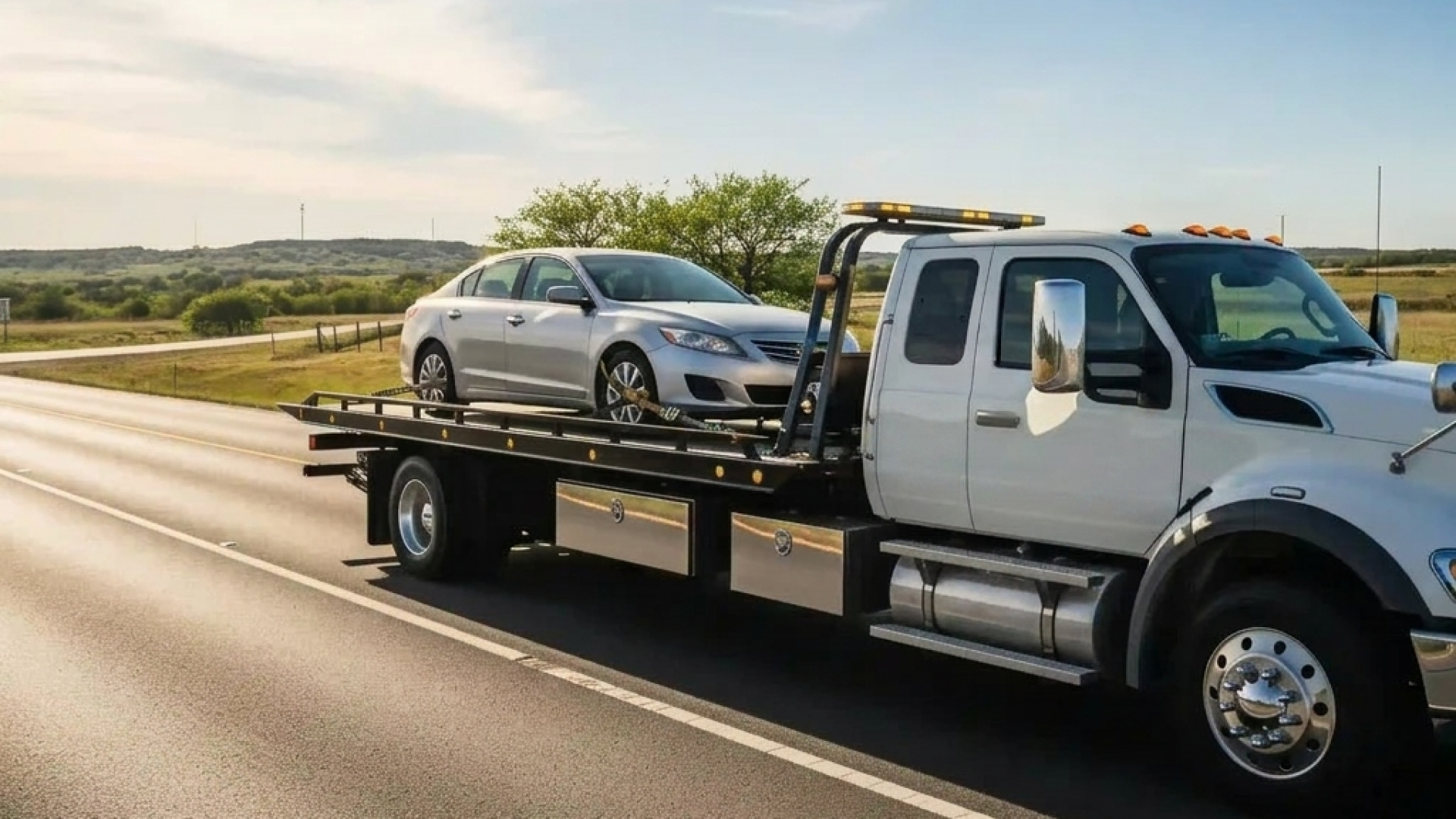
Having your vehicle towed is rarely something you plan for. A breakdown, accident, flat tire, mechanical problem, or other roadside emergency can leave you focused on getting help as quickly as possible. But once you know a tow truck is coming, taking a few simple steps can make the towing process easier and help you avoid leaving important belongings behind.
Preparing a vehicle for towing does not mean attempting to repair it or move it yourself. In many situations, the safest choice is to leave the vehicle where it is and let a professional towing operator handle the loading and transportation.
Before the tow arrives, focus on your personal safety, your belongings, and providing accurate information about the vehicle and its condition. If the vehicle is in a dangerous location or has been involved in an accident, do not take unnecessary risks just to prepare it.
A&Z Towing provides 24/7 emergency towing, light-duty towing, flatbed towing, vehicle recovery, and roadside assistance in Marrero and surrounding Louisiana communities. Its roadside services include jump starts, tire changes, and vehicle lockout assistance.
Quick Answer
Before your vehicle is towed, move yourself to a safe location, remove important personal belongings if it is safe to do so, gather your keys and necessary vehicle information, and tell the towing company about any damage or special circumstances. Do not attempt to move or repair a disabled vehicle yourself unless it is safe and appropriate.
Key Takeaways
Your safety should come before preparing the vehicle for towing.
Remove valuable and personal belongings when it is safe to access the vehicle.
Take your keys, important documents, and other essential items with you.
Tell the towing company about accident damage, flat tires, or other vehicle problems.
Make sure the towing operator can identify the correct vehicle and location.
Do not attempt to drive a vehicle that is unsafe or severely damaged.
Do not interfere with the tow truck's loading process unless the operator asks you to.
A&Z Towing provides emergency towing, light-duty towing, flatbed towing, and vehicle recovery in Marrero and surrounding areas.
Put Your Safety First
The most important part of preparing for a tow is not the vehicle itself. It is making sure you and everyone with you are safe. If your vehicle has broken down on the side of a busy road, you should not spend unnecessary time standing next to it gathering belongings or inspecting the vehicle. Likewise, if your vehicle has been involved in an accident, there may be traffic, damaged components, broken glass, or other hazards around the vehicle.
Move away from immediate traffic hazards
If it is safe to do so, move yourself and passengers away from moving traffic while waiting for the tow truck.
Turn on your hazard lights when appropriate and remain aware of surrounding vehicles.
If you cannot safely access the vehicle, tell the towing company when you call. The vehicle does not need to be perfectly prepared before professional help arrives.
Do not put yourself at risk for personal belongings
A phone, bag, laptop, or other personal item may be important, but it is not worth putting yourself in danger to retrieve it.
If the vehicle is in a dangerous location, wait for professional assistance rather than standing beside traffic or attempting to access a damaged vehicle.
Remove Personal Belongings When It Is Safe
If the vehicle is safely accessible, check the interior and remove important personal belongings before the tow. This is especially useful when the vehicle will be transported to a repair facility, storage location, or another destination where you may not immediately have access to it.
Check these areas
Look through:
Glove compartments
Center consoles
Door pockets
Seat-back pockets
Trunk or cargo area
Cup holders
Under seats
Other accessible storage areas
You do not need to empty every part of the vehicle if doing so creates a safety issue. Focus on important or irreplaceable belongings.
Items you may want to take with you
Consider removing:
Wallets and purses
Phones and electronics
Laptops and tablets
Important documents
Medication
House or work keys
Sunglasses
Personal identification
Work equipment
Other valuables
Once the vehicle is towed away, you may not have immediate access to these items.
Take Your Vehicle Keys With You
If you have the vehicle keys, keep them with you unless the towing operator needs them for the towing process. This includes traditional keys as well as key fobs. Your keys may also be needed by the repair facility or another person receiving the vehicle, so communicate clearly with the towing operator about what should happen with the keys. If the keys are locked inside the vehicle, tell the towing company before the truck arrives. A&Z Towing also provides vehicle lockout assistance as part of its roadside services.
Gather Important Vehicle Information
Before the tow arrives, gather the information you have available about the vehicle and the problem. This can help you communicate clearly with the towing company.
Useful information includes:
Vehicle make and model
Vehicle color
Your current location
License plate information
Vehicle identification information if readily available
What happened
Whether the vehicle starts
Whether the vehicle can move
Whether there is accident damage
Whether a tire is flat
Whether the vehicle is stuck
Your intended destination, if known
You do not need to delay emergency assistance while searching for every piece of information. Your location and an accurate description of the problem are especially important. A&Z Towing asks customers to provide their location and explain the help they need before dispatching a driver with the appropriate equipment.
Tell the Towing Company About Existing Damage
If your vehicle has already been damaged, explain that before it is loaded. This is particularly important after an accident.
Tell the towing company about visible damage such as:
A damaged tire
A damaged wheel
Body damage
Parts hanging from the vehicle
Broken windows
Steering problems
Severe mechanical problems
Other conditions that could affect loading or transportation
Do not assume that the towing operator will immediately know what happened. Providing accurate information gives the towing company a better understanding of the situation and helps determine the appropriate towing approach.
Take photos if it is safe
If your vehicle has been involved in an accident or has visible damage, you may want to take photographs before it is moved, provided you can do so safely. Photographs can document the vehicle's condition before transportation. Do not stand in traffic or enter an unsafe area simply to take pictures.
Don't Try to Repair the Vehicle Before the Tow
If you already know that the vehicle needs towing, there is usually little reason to attempt an unfamiliar repair while waiting for professional assistance. Trying to restart, move, or repair a severely damaged vehicle can potentially make the situation worse. For example, if a vehicle has accident damage, a serious mechanical problem, or a damaged wheel, attempting to drive it onto a different road or location may create additional risks.
Let the towing operator handle the loading
Once the tow truck arrives, allow the operator to assess the vehicle and determine how it should be loaded.
Do not attach equipment, move towing components, or attempt to operate the tow truck yourself.
A&Z Towing states that its experienced operators handle vehicles safely and carefully and dispatches drivers with the appropriate equipment for the requested towing or roadside service.
Make Sure the Vehicle Is Accessible
If the vehicle is in a driveway, parking lot, private property, or another location where access could be difficult, think about how the tow truck will reach it. If there are gates, narrow spaces, parked vehicles, or other obstacles, tell the towing company.
Provide useful location details
If you are on a road, provide:
Street name
Nearby intersection
Direction of travel
Nearby business or landmark
Highway or exit information when applicable
If you are in a parking lot, provide:
Business name
Parking area
Row or section if applicable
Nearby landmark
A&Z Towing specifically asks customers to provide their location and the type of help they need when requesting service.
Check the Parking Brake and Vehicle Controls Only When Appropriate
In some towing situations, the towing operator may need access to certain vehicle controls to load the vehicle. Do not assume that you should change settings or operate the vehicle yourself. If the towing operator asks you to unlock the vehicle, release a specific control, or provide access to the keys, follow their instructions. If the vehicle cannot be moved normally because it is damaged or disabled, tell the operator rather than attempting to force it to move. The towing professional can determine the appropriate way to handle the vehicle based on its condition and the equipment being used.
What If Your Vehicle Has a Flat Tire?
A flat tire can make preparing a vehicle for towing more complicated. If the tire is flat, tell the towing company before the tow arrives. Do not assume that the vehicle can simply be driven or rolled to another location. A&Z Towing provides tire-change assistance as part of its roadside services. If the tire problem can be addressed roadside, a flat tire help visit may be enough. If the vehicle cannot safely continue or needs transportation, towing may be appropriate.
Avoid driving on a severely flat tire
Driving on a severely deflated tire can cause additional tire or wheel damage. If you are waiting for professional assistance, keep the vehicle stationary unless moving it is necessary and safe.
What If the Vehicle Was Involved in an Accident?
Accident vehicles require additional care. Do not assume that a vehicle is safe to drive simply because the engine still starts. Collision damage can affect tires, wheels, body components, steering, or other parts of the vehicle. If the vehicle has significant damage, allow the towing professional to determine how it should be handled. A&Z Towing provides emergency towing for accidents and roadside emergencies.
Tell the operator about visible damage
Before the vehicle is loaded, point out obvious damage that could affect the towing process. If there is broken glass, a damaged wheel, a flat tire, or another unusual condition, explain it clearly. The goal is to move the vehicle without creating unnecessary additional problems.
What If the Vehicle Is Stuck?
A vehicle that is stuck may require recovery rather than a standard tow. If your vehicle is stuck off the roadway, in a difficult location, or in another position where it cannot simply be driven away, explain the situation when requesting assistance. A&Z Towing provides vehicle recovery for stuck, off-road, and difficult vehicle situations requiring careful handling.
Don't try to force the vehicle free
Spinning the tires, repeatedly accelerating, or attempting improvised recovery methods can potentially make a stuck vehicle more difficult to recover. If professional recovery is needed, explain where and how the vehicle became stuck and allow the operator to determine the appropriate approach.
What Should You Do With Your Personal Information?
Before your vehicle leaves, make sure you have important personal information with you.
Check that you have your:
Driver's license
Identification
Insurance information
Phone
Wallet
House keys
Work keys
Important documents
You should also make sure you know where the vehicle is being taken. If you are not accompanying the vehicle, confirm the destination and any instructions provided by the towing company.
Preparing for a Tow: A Simple Checklist
Once the towing company has been contacted and it is safe to access the vehicle, use this quick checklist.
Before the tow truck arrives
Move yourself to a safe location.
Turn on hazard lights when appropriate.
Remove important personal belongings.
Take your keys and personal identification.
Gather basic vehicle information.
Tell the towing company about existing damage.
Provide your exact location.
Explain whether the vehicle starts or moves.
Mention flat tires or other problems.
Tell the operator if the vehicle is stuck.
Avoid attempting unnecessary repairs.
Keep the area around the vehicle accessible when possible.
Before the vehicle leaves
Make sure you have your important personal belongings.
Confirm where the vehicle is going.
Tell the towing operator about visible damage.
Follow the operator's instructions during loading.
Do not attempt to interfere with the towing equipment.
Common Mistakes to Avoid Before a Vehicle Is Towed
Preparing your vehicle does not mean doing everything yourself. Some actions can create more problems than they solve.
Trying to drive a damaged vehicle: If the vehicle has significant damage or cannot operate normally, do not attempt to drive it simply to make the tow easier.
Standing beside moving traffic: Your safety is more important than preparing the vehicle. Move away from traffic when possible and wait for professional assistance.
Forgetting personal belongings: Once the vehicle leaves, you may not have immediate access to it. Take important belongings before the tow when it is safe to do so.
Leaving important documents inside: Take your identification, paperwork, keys, electronics, and other important items with you.
Not mentioning existing damage: Tell the towing operator about accident damage, flat tires, or other conditions before the vehicle is loaded.
Attempting to operate towing equipment: Do not try to attach straps, chains, or other towing equipment yourself unless specifically instructed by the professional handling the vehicle.
Frequently Asked Questions
Should I remove my belongings before my car is towed?
Yes, if it is safe to access the vehicle. Remove valuable, personal, and important items before the vehicle is transported because you may not have immediate access to it afterward.
Should I take my car keys when it is being towed?
Keep your keys with you unless the towing operator needs them for the loading or transportation process. If your keys are locked inside the vehicle, tell the towing company before assistance arrives.
What information should I give the tow truck driver?
Tell the driver what happened, where the vehicle is located, whether it starts or moves, and whether there is visible damage, a flat tire, or another condition that affects the vehicle.
Should I take pictures of my car before it is towed?
If it is safe to do so, photographs can document the vehicle's condition before transportation, especially after an accident. Never put yourself in danger to take photographs.
Should I leave the parking brake on when my car is towed?
Do not make assumptions about how your vehicle should be configured for towing. Follow the towing operator's instructions based on the vehicle and towing method.
Can I drive my car onto the tow truck?
If your vehicle is functioning normally and the towing professional instructs you to do so, they may provide specific directions. If the vehicle is damaged or disabled, do not attempt to drive it unless the professional determines that it is safe and appropriate.
What if my car is damaged after an accident?
Tell the towing company about the damage before the vehicle is moved. Do not assume that a damaged vehicle should be driven simply because it starts.
What if my car has a flat tire before it is towed?
Tell the towing provider about the flat tire. A&Z Towing also provides tire-change assistance as part of its roadside services, and towing may be appropriate if the vehicle cannot safely continue.
What if my car is stuck?
Explain where and how the vehicle is stuck when requesting service. A&Z Towing provides vehicle recovery for stuck, off-road, and difficult vehicle situations.
Does A&Z Towing provide emergency towing?
Yes. A&Z Towing provides 24/7 emergency towing for breakdowns, accidents, and roadside emergencies.
Does A&Z Towing offer flatbed towing?
Yes. Flatbed towing is one of A&Z Towing's listed services. The company describes its flatbed service as secure transportation designed to keep vehicles protected during transport.
What areas does A&Z Towing serve?
A&Z Towing is based in Marrero, Louisiana, and lists Marrero, Belle Chasse, Estelle, Bridge City, Harvey, Gretna, and Westwego among its service areas, along with surrounding communities.
When to Call A&Z Towing
If your vehicle needs to be towed, you do not need to spend a long time trying to prepare it yourself. The most important steps are to stay safe, provide an accurate location, explain what happened, and tell the towing company about any damage or special circumstances.
A&Z Towing provides 24/7 emergency towing, light-duty towing, flatbed towing, vehicle recovery, and roadside assistance in Marrero and surrounding Louisiana communities. Its roadside services include jump starts, tire changes, and vehicle lockout assistance.
Whether you are dealing with an unexpected breakdown, accident, flat tire, or difficult recovery, provide as much useful information as you safely can and let the towing professional handle the vehicle.
Conclusion
Preparing your vehicle before it is towed is mostly about making the situation safer and more organized. Remove important belongings when it is safe, take your keys and personal information, document existing damage when appropriate, and make sure the towing company knows your location and the condition of the vehicle.
Most importantly, do not put yourself in danger or attempt to move a damaged or disabled vehicle simply to make the towing process easier. Professional towing operators have the equipment and experience to handle the vehicle once they arrive.
A&Z Towing provides 24/7 emergency towing and roadside assistance throughout Marrero and surrounding Louisiana communities, along with light-duty towing, flatbed towing, and vehicle recovery. When your vehicle needs professional help, giving the towing company accurate information can help make the process smoother from the moment assistance is requested until the vehicle reaches its destination.