

How Wet Road Conditions Impact Braking Distances and Breakdown Risks
Introduction
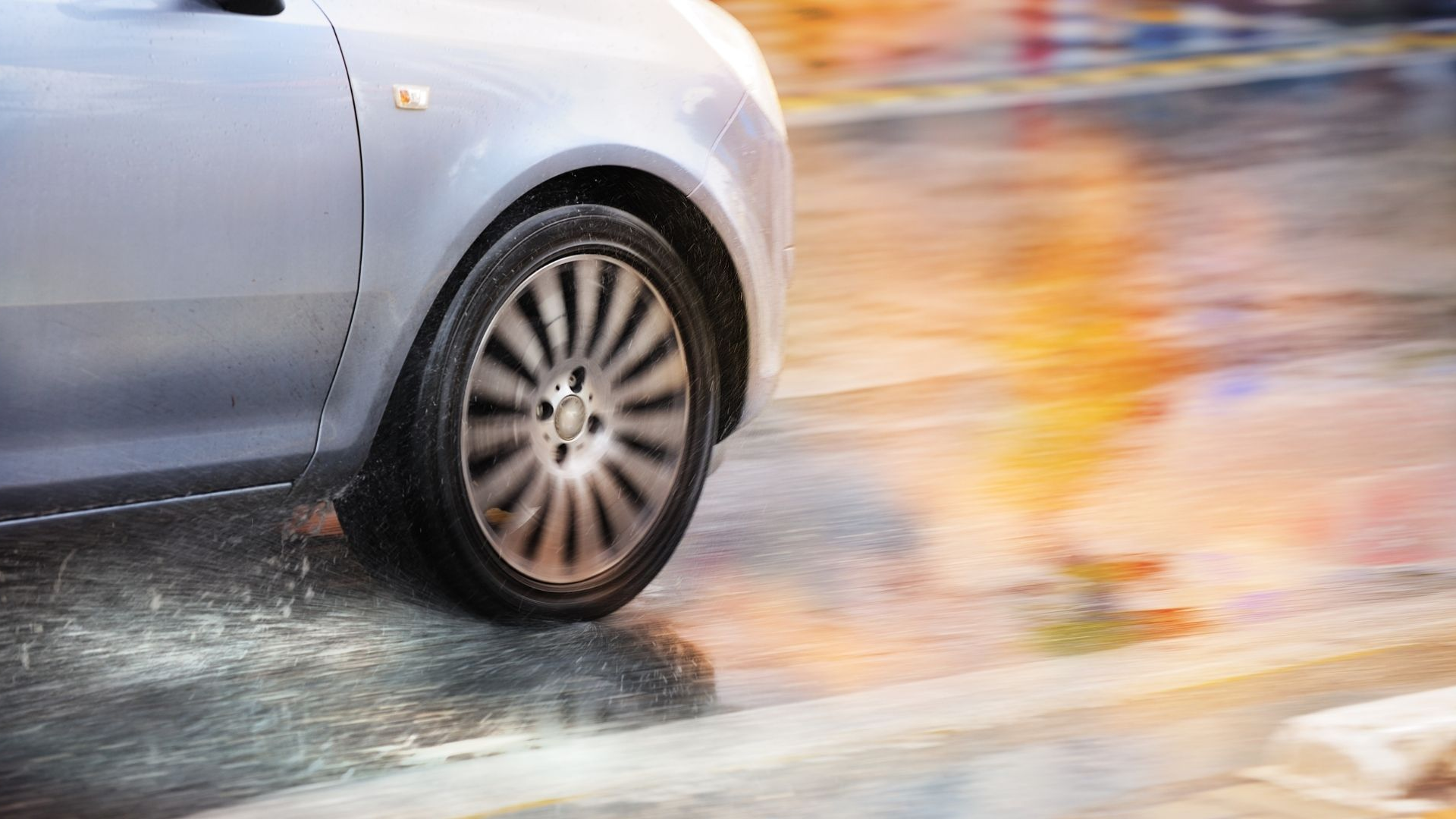
Rain can change driving conditions within minutes. A road that felt safe during a dry commute may become slippery, visibility may drop, and a vehicle that normally stops predictably may need more distance to come to a complete halt. For drivers in Marrero, Harvey, Gretna, Westwego, and surrounding Louisiana communities, understanding these risks can help prevent collisions, reduce vehicle damage, and make roadside emergencies less likely.
Wet roads affect more than braking. Water reduces tire grip, heavy rain can conceal potholes and road debris, and standing water may damage critical vehicle components. Worn tires, faulty brakes, underinflated tires, and poorly maintained windshield wipers can make these problems even more serious.
Knowing how wet pavement changes vehicle performance helps drivers make better decisions before and during a storm. It also makes it easier to recognize when continuing to drive is unsafe and professional roadside assistance or towing may be the better option.
How Wet Roads Affect Braking Distance
Braking distance is the distance a vehicle travels after the driver applies the brakes until the vehicle comes to a complete stop. Total stopping distance also includes the distance traveled while the driver recognizes a hazard and reacts to it.
On wet pavement, both distances can increase. Drivers may take longer to recognize a hazard because of poor visibility, while reduced tire traction can make it harder to slow down efficiently.
Why Tires Lose Grip on Wet Pavement
Tires rely on contact with the road surface to generate the friction needed for braking, steering, and acceleration. Rainwater creates a layer between the tire and pavement, reducing available traction under certain conditions.
The amount of grip depends on several factors, including tire tread depth, tire pressure, vehicle speed, road texture, and the amount of water on the surface. Fresh rain can also mix with accumulated oil, dust, and other contaminants, creating particularly slippery conditions.
As water builds up, tires must move it through their tread grooves to maintain contact with the road. If they cannot clear the water effectively, braking and steering performance can deteriorate.
The Difference Between Reaction Distance and Braking Distance
Understanding stopping distance helps explain why following another vehicle too closely is dangerous in the rain.
Reaction distance: The distance traveled between noticing a hazard and beginning to respond.
Braking distance: The distance traveled after braking begins until the vehicle stops.
Total stopping distance: The combined reaction and braking distances.
For example, imagine a driver traveling along a wet road when traffic ahead suddenly slows. Even if the driver reacts quickly, the vehicle may travel farther before stopping because the tires have less traction.
A driver who is distracted, fatigued, or following too closely has even less room to respond. Wet-weather safety depends on allowing enough space to accommodate both human reaction time and reduced tire grip.
How Speed Changes Wet-Road Stopping Distance
Driving faster increases the distance needed to react and stop. It also increases the energy the brakes and tires must manage during deceleration.
Reducing speed gives drivers more time to recognize hazards and can help tires maintain contact with wet pavement. However, simply driving below the posted speed limit does not guarantee safety when water is deep, visibility is poor, or tires are worn.
Drivers should adjust their speed to the actual conditions rather than treating the posted limit as a target. If water is pooling across the roadway or the vehicle becomes difficult to control, slowing down safely or stopping somewhere appropriate may be necessary.
The Dangers of Hydroplaning on Wet Roads
Hydroplaning occurs when a tire rides on a layer of water instead of maintaining adequate contact with the road. When this happens, the driver may lose some or nearly all ability to steer, brake, or accelerate effectively.
Hydroplaning can happen at highway speeds, but there is no single speed at which it always begins. Water depth, tire condition, tread design, inflation pressure, and road conditions all influence the risk.
Warning Signs of Hydroplaning
Drivers may notice several warning signs:
The steering wheel suddenly feels unusually light.
The vehicle seems to drift or slide without responding normally to steering.
The tires lose their usual road feel.
The engine speed rises unexpectedly in some front-wheel-drive situations.
The vehicle begins moving sideways through standing water.
These signs should be treated seriously. Avoid sudden steering inputs, hard braking, or sharp acceleration, which can make it more difficult to regain control.
What to Do If Your Vehicle Hydroplanes
If your vehicle begins to hydroplane, stay calm and focus on regaining traction.
Ease off the accelerator gradually.
Keep the steering wheel steady and point the vehicle in the direction you intend to travel.
Avoid sudden braking or aggressive steering.
Allow the vehicle to slow until the tires regain contact with the road.
Resume driving cautiously only when steering and traction feel normal.
If you cannot maintain control or the vehicle becomes stranded in an unsafe location, prioritize your safety and request appropriate roadside assistance. Do not attempt to cross another flooded section of road simply because the vehicle has recovered from the first one.
Why Heavy Rain Increases Vehicle Breakdown Risks
Rain does not automatically cause a mechanical breakdown, but wet conditions can expose existing weaknesses and create hazards that damage a vehicle. Drivers who prepare their vehicles before the rainy season can reduce some of these risks.
Floodwater Can Damage the Engine
Driving through deep water can allow water to enter the engine's air intake. If enough water enters the cylinders, the engine may suffer severe internal damage, commonly called hydrolock.
Floodwater can also contaminate engine oil, transmission fluid, and other components, depending on the depth and circumstances of immersion. Even if a vehicle initially appears to run normally after passing through water, hidden damage may become apparent later.
Never assume that a flooded road is safe because another vehicle has crossed it. Water depth can change quickly, and moving water can push vehicles off course. Turn around and choose another route rather than attempting to drive through uncertain floodwater.
If the engine stalls after driving through standing water, do not repeatedly attempt to restart it. Arrange professional assessment and flatbed towing when needed.
Wet Conditions Can Reveal Brake Problems
A vehicle's braking system is designed to operate in ordinary wet weather, but worn brake pads, damaged components, contaminated friction surfaces, or other existing faults can reduce braking performance.
After driving through water, some brakes may respond differently until moisture clears. Persistent grinding, unusual noises, a soft brake pedal, pulling to one side, or a brake warning light should not be dismissed as normal rain-related behavior.
If braking becomes unreliable, avoid continuing the trip. Pull over in a safe location if possible and arrange professional inspection or towing rather than risking a collision.
Battery and Electrical System Problems
Rain itself does not normally disable a properly functioning, intact vehicle electrical system. However, damaged wiring, loose connections, deteriorated insulation, and water intrusion can contribute to electrical problems.
A weak battery may also fail during a rainy-day trip, leaving the driver unable to restart the vehicle after stopping. Modern vehicles contain electronic control modules and sensors that can be vulnerable to improper water exposure.
If dashboard warnings appear, electrical systems behave erratically, or the engine stops after water exposure, avoid touching exposed wiring or electrical components. A qualified technician can determine whether the problem requires repair before the vehicle is driven again.
Tires and Pothole Damage
Heavy rain can conceal potholes, broken pavement, and road debris. Striking a hidden pothole may damage a tire, bend a wheel, or affect suspension and steering components.
A damaged tire may lose pressure gradually or deflate suddenly. Either situation can make the vehicle difficult to control, especially on slippery pavement.
After a significant impact, pay attention to steering vibration, unusual noises, pulling, or visible tire damage. If a tire is flat, the wheel appears damaged, or steering feels abnormal, stop in a safe location and seek light-duty towing assistance instead of continuing on the assumption that the vehicle is still roadworthy.
How Louisiana Weather and Road Conditions Increase the Risk
Drivers in Marrero, Harvey, Gretna, and Westwego may encounter heavy rain, water-covered streets, reduced visibility, and drainage-related flooding during severe weather. Conditions can vary considerably between neighborhoods and even between adjacent sections of the same road.
Low-lying streets and underpasses may collect water, while highway spray can make it harder to see vehicles ahead. Water can also hide lane markings, road edges, and debris that would be visible during dry weather.
Standing Water and Flooded Streets
Standing water is dangerous because its depth is often difficult to judge from the driver's seat. A shallow-looking puddle may conceal a deeper section of damaged pavement or a flooded depression.
Avoid driving through water when its depth is unknown. Never enter a flooded roadway blocked by barriers or marked as closed, and do not follow another driver into water simply because that driver appears to be making progress.
If your normal route is flooded, choose a safer alternative. Arriving late is preferable to risking engine damage, losing control, or becoming trapped in rising water.
Reduced Visibility During Heavy Rain
Rain can blur the view through the windshield, while spray from trucks and other vehicles can temporarily obscure the road ahead. Glare from headlights, reflections on wet pavement, and fogged windows can make hazards harder to recognize.
Before driving, check that the windshield wipers work properly, the washer fluid is adequate, and the headlights and taillights function. Use the vehicle's defogging controls when necessary to maintain a clear windshield.
If visibility becomes so poor that you cannot see the road safely, find a suitable place away from traffic to stop. Avoid stopping in a travel lane or on a narrow shoulder where other drivers may not see you in time.
Practical Ways to Reduce Wet-Weather Braking Risks
Good driving habits and routine vehicle maintenance can make a meaningful difference when rain begins.
Increase Your Following Distance
Leave more space between your vehicle and the one ahead. A larger gap provides additional time to react if traffic slows, another driver loses control, or an obstacle appears.
The familiar three-second following guideline used in favorable conditions may not provide enough space in heavy rain. Increase the gap substantially when pavement is slippery, visibility is reduced, or traffic conditions are unpredictable.
Choose a fixed roadside marker and count the seconds between the vehicle ahead passing it and your vehicle reaching it. If you reach the marker too soon, increase your distance.
Check Tire Tread and Pressure
Tire tread helps channel water away from the contact area. Worn tread reduces the tire's ability to disperse water, increasing the risk of losing traction.
Inspect tires for uneven wear, cuts, bulges, and damage. Check inflation pressure when tires are cold and follow the pressure specified on the vehicle's placard or owner's manual, rather than relying solely on the maximum pressure printed on the tire sidewall.
Replace tires when their tread or condition no longer meets safe operating requirements. If you are unsure whether your tires are suitable for wet conditions, ask a qualified tire professional to inspect them.
Maintain Your Brakes and Wipers
Routine maintenance can reveal problems before they become emergencies. Ask a qualified technician to inspect brake pads, rotors, fluid condition, tires, suspension, and other relevant components according to the manufacturer's maintenance schedule.
Replace worn windshield wipers when they leave streaks, skip across the glass, or fail to clear water effectively. Confirm that headlights, brake lights, turn signals, and defrosters work before traveling in severe weather.
Make Smooth Driving Inputs
Abrupt braking, sudden lane changes, and aggressive acceleration can overwhelm the available traction on wet pavement. Make steering adjustments gradually, begin slowing well before intersections, and approach curves at a controlled speed.
Avoid cruise control on slippery roads because it can complicate your response if the tires lose traction. If heavy rain or standing water makes safe travel uncertain, postpone the trip when possible.
What to Do If Your Vehicle Breaks Down in the Rain
A breakdown is stressful in any weather, but rain adds visibility, traffic, and flooding hazards. The safest response depends on the vehicle's location and the nature of the problem.
Step 1: Find the Safest Available Location
If the vehicle is still controllable, move out of active traffic when it is safe to do so. A suitable parking area or well-positioned location away from moving vehicles is generally preferable to stopping in a travel lane.
Do not drive farther if the brakes have failed, steering is severely impaired, the engine may have ingested water, or the vehicle is otherwise unsafe to operate. If you cannot move safely, turn on your hazard lights and contact emergency services if there is immediate danger.
Step 2: Make Yourself Visible
Turn on the hazard lights and remain aware of passing traffic. If the vehicle is in an exposed position, such as a highway lane or narrow shoulder, avoid standing beside it or attempting repairs where passing vehicles could strike you.
Whether to remain inside or leave the vehicle depends on the location and surrounding hazards. If the vehicle is in a safe position, staying inside with your seat belt fastened may reduce exposure to traffic. If there is an immediate threat from fire, rising floodwater, or another hazard, move to a safer location when you can do so without entering traffic or dangerous water.
Step 3: Explain the Situation When Requesting Help
When contacting a towing or roadside assistance provider, share useful details such as:
Your location, including the road name, nearest intersection, or a recognizable landmark.
The vehicle's make, model, and color.
Whether the vehicle is blocking traffic or positioned on a shoulder.
The problem, such as a flat tire, dead battery, collision damage, or suspected water intrusion.
Any special conditions, including flooding, limited access, or a damaged wheel.
Accurate details help the provider understand what equipment and assistance may be appropriate. If your vehicle is stuck in mud, trapped off the roadway, or damaged after an impact, mention those circumstances rather than describing the situation as a routine breakdown.
Step 4: Choose the Appropriate Roadside Service
The right service depends on the problem and whether the vehicle can be safely repaired at the roadside.
Jump-start assistance: May help when a compatible vehicle has a discharged battery and no other fault prevents starting.
Flat-tire assistance: May be appropriate when a tire can be changed safely and the wheel and surrounding components are suitable for the repair.
Emergency towing: Can transport a disabled or unsafe vehicle to a repair facility or another agreed destination.
Flatbed towing: Carries the vehicle on a platform and may be appropriate for collision-damaged vehicles, certain drivetrains, or vehicles that should not be driven.
Vehicle recovery: May be needed when a vehicle is stuck off the roadway or requires specialized equipment to be moved safely.
Not every situation can be resolved with a quick roadside repair. A vehicle exposed to floodwater, suffering significant brake damage, or showing serious mechanical problems may need inspection before returning to the road.
A&Z Towing LLC provides 24/7 towing and roadside assistance in Marrero, Harvey, Gretna, Westwego, and surrounding Louisiana areas. Drivers facing a wet-weather breakdown can contact us to discuss the vehicle's condition, location, and safest next step.
Common Misconceptions About Driving on Wet Roads
Myth: New Tires Eliminate Hydroplaning Risk
New tires can improve water evacuation when properly selected and maintained, but they cannot eliminate hydroplaning. Speed, water depth, inflation pressure, and road conditions still matter.
Myth: Four-Wheel Drive Helps You Stop Faster
Four-wheel drive can help a vehicle maintain traction while accelerating in certain conditions. It does not automatically improve braking on wet pavement, and it cannot overcome the limits of tire grip.
Myth: A Vehicle That Crosses Floodwater Is Fine to Keep Driving
A vehicle may continue running after water exposure even if damage has occurred. If the engine stalls in water, warning lights appear, or the vehicle behaves abnormally afterward, have it assessed before continuing.
Myth: Driving Slowly Always Makes Flooded Roads Safe
Lower speed can reduce some risks on wet pavement, but it does not make deep or moving floodwater safe to cross. Avoid flooded roads when depth, road conditions, or water movement cannot be assessed safely.
Conclusion
Wet roads increase braking distances by reducing available tire traction, while heavy rain can conceal hazards, limit visibility, and expose vehicles to water-related damage. The risks become more serious when tires are worn, brakes are faulty, following distances are short, or drivers enter flooded areas.
Safer wet-weather driving starts with good vehicle maintenance, reduced speed, smooth braking, greater following distance, and a willingness to change plans when conditions deteriorate. Drivers should never assume that a familiar route remains safe simply because they have traveled it many times before.
If a vehicle becomes disabled in the rain, prioritize personal safety, avoid flooded roadways, and seek appropriate roadside assistance. A&Z Towing LLC supports drivers in Marrero, Harvey, Gretna, Westwego, and surrounding Louisiana communities with vehicle recovery and emergency support when a breakdown, flat tire, collision, or other vehicle problem interrupts the trip.
Frequently Asked Questions
1. How much does rain increase braking distance?
There is no single percentage that applies to every vehicle or rainy road. The increase depends on speed, tire condition, water depth, pavement texture, brake condition, and driver response. Heavy rain and standing water can make stopping substantially more difficult.
2. Why do cars take longer to stop on wet roads?
Water can reduce the friction available between tires and pavement, limiting how effectively the tires slow the vehicle. Poor visibility can also delay hazard recognition, increasing the total distance traveled before the vehicle stops.
3. What should I do if my car starts hydroplaning?
Ease off the accelerator, keep the steering wheel steady, and avoid sudden braking or sharp steering movements. Allow the vehicle to slow until the tires regain contact with the road, then continue cautiously only when control has returned.
4. Can driving through a puddle damage my car?
Yes. A deep puddle can conceal potholes and debris or expose the engine and electrical components to water. If water enters the engine, severe damage may occur. Avoid puddles of unknown depth, especially on flooded streets.
5. Should I use cruise control when driving in heavy rain?
No. Avoid cruise control on slippery roads because it can complicate your response when traction changes unexpectedly. Maintain manual control of your speed and be prepared to slow down or stop somewhere safe if conditions worsen.
6. Can wet roads cause brake failure?
Ordinary rain does not automatically cause brake failure in a properly maintained vehicle. However, existing brake problems, damaged components, contamination, or severe water exposure can affect braking performance. Stop driving if the brakes feel abnormal or become unreliable.
7. What should I do if my car stalls in floodwater?
Do not repeatedly attempt to restart the engine, as water ingestion can cause severe damage. Prioritize your safety, avoid entering moving floodwater, and seek emergency help if you are in danger. Arrange professional assessment and towing when appropriate.
8. When should I call a tow truck during rainy weather?
Request towing when your vehicle cannot be driven safely because of collision damage, brake or steering problems, a serious mechanical fault, suspected engine water damage, or an unsafe tire or wheel. If the vehicle is stranded in a dangerous location, contact emergency services when necessary.
9. Is flatbed towing suitable for a rain-damaged vehicle?
Flatbed towing may be suitable for a vehicle with collision damage, certain drivetrain requirements, or suspected mechanical damage that makes driving unsafe. The appropriate method depends on the vehicle, its condition, manufacturer recommendations, and the circumstances of the breakdown.
10. How can I reduce the chance of a rainy-weather breakdown?
Maintain proper tire pressure and tread, inspect the brakes, replace worn wipers, check exterior lights, and follow your vehicle's maintenance schedule. Avoid flooded roads, drive at a speed appropriate for visibility and traction, and plan an alternative route when severe weather makes travel unsafe.
