Signs Your Vehicle Needs More Than a Simple Jump Start
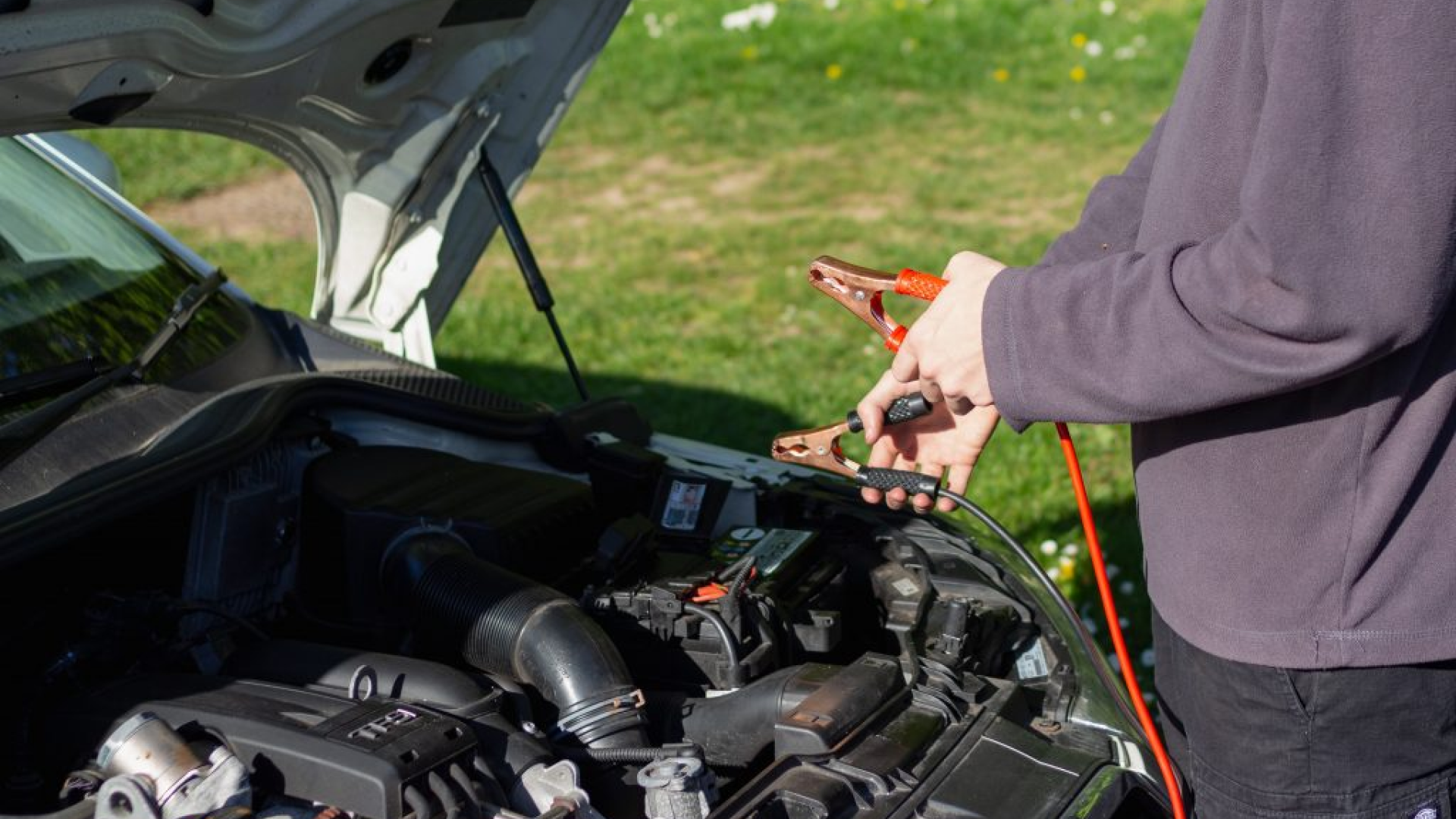
A dead battery can be one of the most frustrating problems to deal with when your vehicle suddenly refuses to start. Sometimes, a simple jump start is all you need. But a jump start does not fix every type of starting problem. If your vehicle still will not start, shuts off again, makes unusual sounds, or shows other warning signs, the problem may require more than a battery boost.
Knowing the difference between a temporary dead battery and a larger vehicle breakdown can help you avoid making the situation worse. It can also help you decide when roadside assistance is enough and when emergency towing is the safer choice.
If you are stranded in Marrero or the surrounding Louisiana communities, A&Z Towing provides 24/7 emergency towing and roadside assistance, including jump starts, tire changes, and vehicle lockout services. The company also provides light-duty towing, flatbed towing, and vehicle recovery.
Quick Answer
If your vehicle does not start after a proper jump start, starts and then dies, repeatedly needs a jump, makes unusual noises, or shows signs of a mechanical or electrical problem, you may need more than a simple battery boost. Continuing to try starting the vehicle can make the situation worse, so professional roadside assistance or towing may be the safer option.
Key Takeaways
A jump start only addresses a battery-related starting problem; it does not repair a failed mechanical or electrical component.
If the vehicle will not start after a proper jump, the problem may be more than a weak battery.
A vehicle that starts but quickly dies may have another underlying problem.
Repeatedly needing jump starts can indicate that the battery or charging system needs attention.
Strange noises, burning smells, smoke, or warning lights are reasons to stop troubleshooting and consider professional help.
Driving on a flat tire can cause additional damage and may make roadside assistance or towing necessary.
Accident damage, a vehicle stuck in a difficult location, or a serious breakdown may require towing or vehicle recovery.
When in doubt, prioritize your safety and contact professional roadside assistance rather than taking unnecessary risks.
When a Jump Start May Be Enough
A jump start can be appropriate when a vehicle has a discharged battery and the rest of the vehicle is functioning normally.
For example, you may have accidentally left your headlights, interior lights, or another electrical accessory running while the engine was off, which is one of the most common reasons car batteries die overnight. In that situation, the battery may simply not have enough power to crank the engine.
You may hear a clicking sound when turning the key or pressing the start button, while the dashboard lights may appear dim. If the vehicle starts normally after receiving a jump, the immediate problem may have been the battery's lack of charge.
However, getting the engine running does not necessarily mean the problem has been solved.
A battery that repeatedly loses power deserves attention. If you have needed multiple jump starts recently, something may be causing the battery to discharge or preventing the vehicle from maintaining its electrical power.
Signs a jump start may solve the immediate problem
The vehicle was accidentally left with lights or accessories on.
The battery appears discharged rather than physically damaged.
The engine starts normally after receiving a jump.
There are no unusual noises, smells, smoke, or other warning signs.
The vehicle continues running normally after starting.
A jump start is best viewed as a way to get a vehicle started when the battery has insufficient power. It should not be treated as a universal solution for every no-start situation.
Signs Your Vehicle Needs More Than a Jump Start
Sometimes the clearest indication that you need additional help is simply that the jump start did not work.
If the engine still refuses to start after a proper jump, repeatedly attempting to start it may not solve the underlying problem. The vehicle could have an issue unrelated to the battery, and continued attempts may leave you stranded for longer.
The vehicle still will not start
If the vehicle does not start after receiving a jump, the battery may not be the only problem.
A no-start condition can have several possible causes. Without knowing the exact cause, it is difficult to determine whether another attempt will help. If the vehicle remains inoperable, roadside assistance can help determine the appropriate next step, including whether the vehicle needs towing.
The vehicle starts but immediately dies
A vehicle that starts and then dies should not simply be assumed to have a weak battery.
If the engine will not continue running normally, there may be another issue affecting the vehicle. Continuing to restart the vehicle without understanding the problem may leave you stranded again shortly afterward.
If the vehicle cannot remain running safely, towing may be a better option than attempting to drive it.
You keep needing jump starts
One jump start can happen to almost any driver. Repeated jump starts are different.
If your vehicle frequently loses power and needs another boost, the problem deserves attention. Repeatedly relying on jump starts without addressing the underlying issue can leave you stranded in an inconvenient or unsafe location.
You hear unusual sounds
Pay attention to what your vehicle sounds like when you attempt to start it.
Unusual clicking, grinding, knocking, or other unfamiliar sounds can indicate that the problem may involve something beyond a discharged battery. If the vehicle behaves differently from normal, avoid assuming that another jump will solve the issue.
You notice smoke or a burning smell
Smoke or a strong burning smell is a reason to stop troubleshooting.
Do not continue repeatedly attempting to start a vehicle when you notice signs that something may be overheating or burning. Move to a safe location if possible and seek professional assistance.
When a No-Start Problem May Require Towing
Not every roadside problem can be solved where the vehicle is sitting. Sometimes the safest and most practical solution is to have the vehicle transported.
A&Z Towing provides emergency towing for breakdowns, accidents, and roadside emergencies, as well as light-duty towing for cars and SUVs. Flatbed towing and vehicle recovery are also available for situations requiring vehicle transport or recovery.
Your vehicle will not start after roadside assistance
If a jump start or other basic roadside assistance does not get your vehicle operating normally, towing may be the next step.
Rather than repeatedly trying to start the vehicle or attempting to drive a vehicle that is not operating correctly, professional towing can move it to an appropriate location for further inspection or repair.
Your vehicle starts but does not operate normally
Starting is only part of the problem.
If the engine starts but the vehicle has other serious symptoms, such as unusual noises, smoke, significant warning signs, or an inability to operate normally, it may not be safe to continue driving.
A vehicle that technically starts is not necessarily a vehicle that is safe to drive.
Your vehicle has been involved in an accident
After a collision, a vehicle may have damage that is not immediately obvious.
Even if the engine starts, damage to tires, wheels, steering components, body panels, or other parts can affect whether the vehicle can be safely driven. Accident towing may be appropriate when accident damage makes continued driving questionable.
Your vehicle is stuck
A dead battery is not the only reason a driver may need help.
A vehicle can become stuck in a difficult location, off the roadway, or in another situation where simply starting the engine does not solve the problem. A&Z Towing provides winch-out services and vehicle recovery for stuck, off-road, and difficult vehicle situations.
Other Roadside Problems That Need More Than a Jump Start
Sometimes a driver assumes the vehicle has a dead battery because it will not move or operate normally. But the actual problem may be completely different.
For example, a flat tire cannot be fixed with a jump start. A vehicle lockout cannot be solved by supplying battery power. Running out of fuel requires fuel delivery rather than a battery boost.
A&Z Towing's roadside assistance service includes jump starts, tire changes, and lockout services.
Flat tire
If you have a flat tire, avoid driving on it simply because the engine still runs.
Driving on a flat tire can create additional problems and may make the vehicle more difficult to handle. If you need to know what to do immediately after a flat tire on the road, changing it safely or calling for assistance is essential. If changing the tire is not practical or safe where you are stopped, flat tire assistance is a better option.
Vehicle lockout
A vehicle that will not open is a different problem from a vehicle that will not start.
If you accidentally lock your keys inside the vehicle, professional car lockout services can provide vehicle lockout assistance rather than towing the vehicle unnecessarily.
Running out of fuel
If your vehicle has run out of fuel, a jump start will not get you back on the road.
Fuel-related roadside assistance may be more appropriate than continuing to attempt to start the vehicle.
Is It Safe to Keep Trying to Start a Dead Vehicle?
It depends on what is happening with the vehicle.
If you know the battery is simply discharged and there are no other warning signs, a jump start may resolve the immediate problem. But repeated attempts become less useful when the vehicle refuses to start or begins showing unusual symptoms.
Do not ignore signs such as smoke, burning smells, significant mechanical noises, accident damage, or other conditions that could make the situation unsafe.
Your location matters, too. A vehicle stopped in an active traffic lane, on a busy road, or in another hazardous location creates a different situation from a vehicle safely parked in a driveway.
What to do if you are stranded
Move the vehicle to a safe location if it can be moved safely.
Turn on hazard lights when appropriate.
Stay aware of surrounding traffic and road conditions, following standard rules on how to stay safe while waiting for a tow truck.
Avoid unnecessary troubleshooting in an unsafe location, especially during a breakdown on a busy road or a breakdown on the highway.
Tell the roadside assistance provider your exact location.
Explain what happened and what the vehicle is doing.
Follow professional guidance about whether the vehicle should be driven or towed.
A&Z Towing asks customers to provide their location and describe the help they need so the appropriate towing service or roadside service can be dispatched.
How to Decide Between Roadside Assistance and Towing
The choice between roadside assistance and towing usually depends on whether the problem can be safely resolved where the vehicle is located.
Roadside assistance may be appropriate for situations such as a jump start, tire change, or vehicle lockout. Towing may be more appropriate when the vehicle cannot be started, cannot be driven safely, has been involved in an accident, or requires recovery.
SituationPossible AssistanceDead batteryJump startFlat tireTire changeLocked keys inside vehicleVehicle lockout assistanceVehicle will not start after a jumpTowing may be neededAccident damageEmergency towingVehicle stuck in a difficult locationVehicle recoveryVehicle requires transportationTowingBreakdown that cannot be resolved roadsideEmergency towing
The important point is not to force a vehicle back onto the road when it is showing signs that something more serious may be wrong.
Common Mistakes to Avoid When Your Vehicle Won't Start
Being stranded can make it tempting to try anything that might get the vehicle moving again. Some approaches, however, can create additional problems or put you in an unsafe position.
Repeatedly trying to start the vehicle: If the vehicle does not respond after a proper jump, repeatedly turning the ignition or pressing the start button may not solve the underlying problem.
Ignoring warning signs: A vehicle that starts but produces smoke, unusual smells, strange noises, or other serious symptoms should not automatically be considered ready to drive.
Driving on a flat tire: A flat tire is not something to ignore simply because the vehicle can technically move.
Attempting roadside repairs in traffic: Your safety should come before trying to diagnose the vehicle. If you are stopped in a dangerous location, professional roadside assistance may be a better choice than attempting repairs yourself.
Assuming every no-start problem is the battery: A jump start is useful for a discharged battery, but not every no-start condition is caused by the battery. Understanding when to call for professional towing instead of DIY can save time and prevent further damage.
Frequently Asked Questions
What should I do if my car won't start after a jump?
If your car still will not start after a proper jump, avoid repeatedly attempting to start it. The problem may involve something other than a discharged battery. Contact roadside assistance and explain what happened so you can determine whether additional assistance or towing is needed.
How do I know if I need towing or roadside assistance?
Roadside assistance is often appropriate for problems such as jump starts, tire changes, and vehicle lockouts. Towing may be necessary when the vehicle cannot be safely driven, will not start after roadside assistance, has been involved in an accident, or needs to be transported.
Can a jump start damage my vehicle?
A jump start should be performed correctly using the appropriate procedure and equipment. If you are unsure how to safely jump-start your vehicle, getting professional roadside assistance can help you avoid unnecessary mistakes.
Why does my car start and then die?
A vehicle that starts and then quickly dies may have a problem beyond a temporarily discharged battery. Because there can be multiple possible causes, it is better not to assume another jump start will permanently solve the problem.
Should I keep trying to start my car if it won't start?
If the vehicle continues refusing to start, repeated attempts are unlikely to solve an unknown underlying problem. If you also notice unusual sounds, smoke, burning smells, or other warning signs, stop troubleshooting and seek professional assistance.
Is it safe to wait inside my vehicle for roadside assistance?
Safety depends on your location and surrounding conditions. If you are stopped near moving traffic or in another hazardous area, prioritize getting yourself to a safer location when possible. Follow local safety guidance and remain aware of surrounding vehicles while waiting for assistance.
Can I call roadside assistance if I'm not at home?
Yes. 24/7 roadside assistance is designed for situations where a vehicle needs help away from home. A&Z Towing provides roadside assistance and towing throughout Marrero and surrounding Louisiana communities.
Will driving on a flat tire damage my car?
Driving on a flat tire can cause additional damage to the tire and potentially other components. If the tire cannot be safely changed where you are stopped, consider contacting roadside assistance rather than continuing to drive on it.
What happens if my vehicle is stuck?
A vehicle that is stuck may require recovery rather than a simple roadside fix. A&Z Towing provides vehicle recovery for stuck, off-road, and difficult vehicle situations.
What information should I give when calling a tow truck?
Provide your location, explain what happened, describe the vehicle's symptoms, and tell the towing provider what type of assistance you believe you need. A&Z Towing specifically asks customers to provide their location and explain the help they need when requesting service.
How long should I wait before calling roadside assistance?
You do not need to spend a long time repeatedly troubleshooting a vehicle that will not start. If a jump start does not work or the vehicle shows other warning signs, contacting roadside assistance can help you determine the next step.
Can a tow truck help if my vehicle won't start?
Yes. Towing can be appropriate when a vehicle cannot be started or cannot be safely driven. A&Z Towing offers emergency towing, light-duty towing, flatbed towing, and roadside assistance in Marrero and surrounding areas.
When You Should Call A&Z Towing
A dead battery does not always mean you need a tow truck. Sometimes a jump start is enough to get you moving again. But when your vehicle refuses to start after a jump, repeatedly loses power, develops unusual symptoms, has accident damage, or becomes stuck, it may be time to consider professional towing or roadside assistance.
A&Z Towing provides 24/7 towing and roadside assistance in Marrero and surrounding communities, including Belle Chasse, Estelle, Bridge City, Harvey, Gretna, and Westwego. Services include emergency towing, light-duty towing, flatbed towing, vehicle recovery, jump starts, tire changes, and lockout assistance.
If you are stranded and unsure what your vehicle needs, describe the problem and your location when you contact us. Getting the right type of assistance can help you avoid unnecessary risks and get the situation handled safely.
Conclusion
A jump start can be a simple solution when a vehicle has a discharged battery, but it is not a fix for every roadside problem. If your car still will not start, starts and dies, repeatedly needs a jump, makes unusual noises, shows signs of damage, or develops other serious symptoms, it may need more than a battery boost.
The safest choice is to avoid forcing a vehicle back onto the road when you are unsure whether it is operating properly. Roadside assistance can help with common problems such as jump starts, tire changes, and lockouts, while towing or vehicle recovery may be necessary when a vehicle cannot be safely driven.
For drivers in Marrero and surrounding Louisiana communities, A&Z Towing is available 24/7 for towing and roadside assistance when you need professional help getting your vehicle safely handled.