What Are the First Steps to Take When You Need Emergency Towing?
Introduction
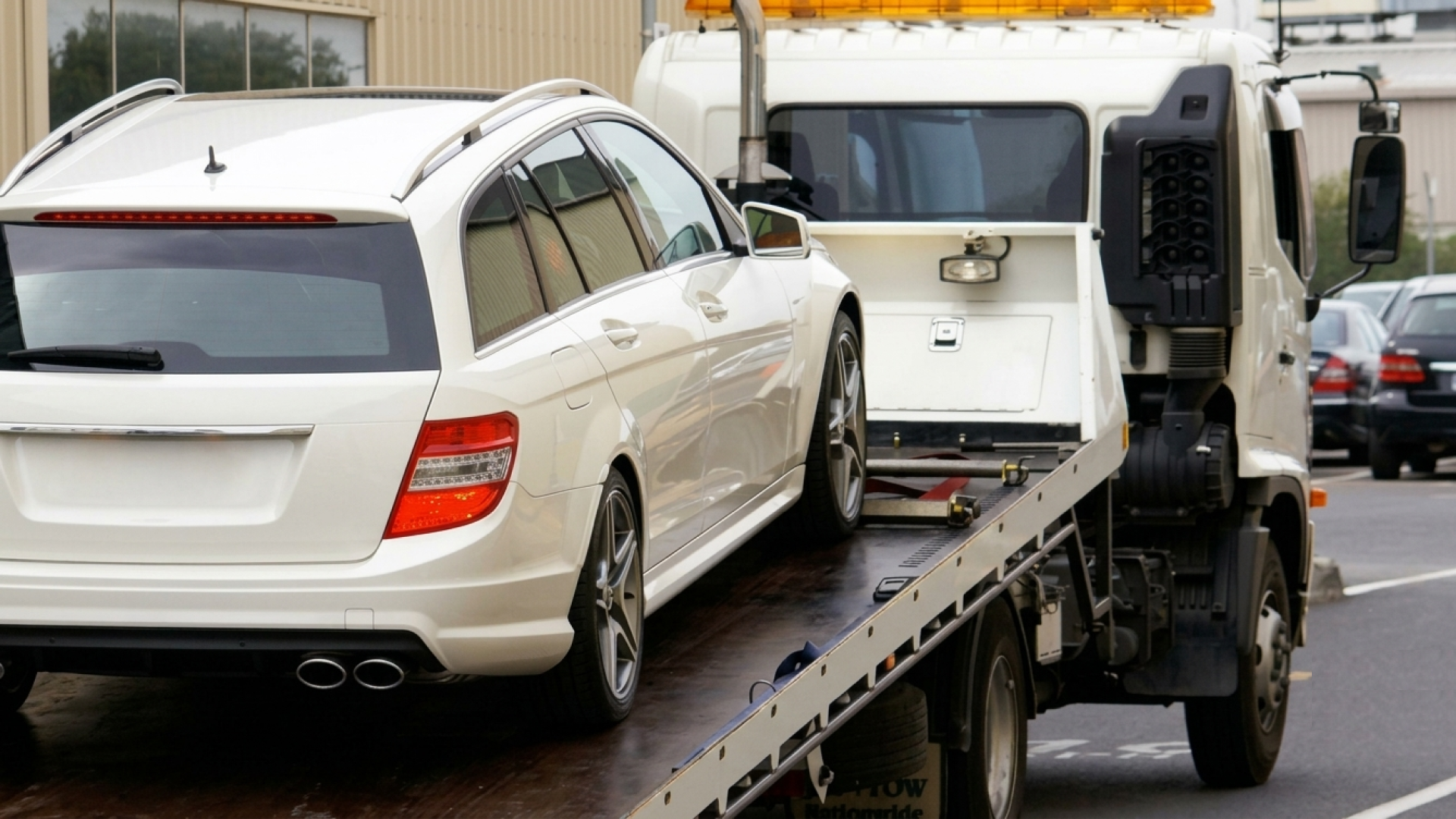
Needing emergency towing can be stressful, especially when your vehicle stops working in an unfamiliar area, after an accident, or along a busy Louisiana road. In that moment, the first few decisions matter. Your priority should be protecting yourself and other drivers, assessing the situation, and getting the right type of help.
Emergency towing is more than simply calling a tow truck. Before assistance arrives, you may need to move yourself to a safer location, determine whether your vehicle can be driven, provide accurate information about your location, and explain what happened to the towing provider.
For drivers in Marrero, Harvey, Gretna, Westwego, and surrounding Louisiana areas, knowing what to do before the tow truck arrives can make a difficult situation easier to manage.
This guide explains the first steps to take when you need emergency towing, what information to provide, when you should avoid driving your vehicle, and how to stay safe while waiting for roadside assistance.
1. Get Yourself and Others to a Safe Location
The first step is not calling a tow truck. It is getting people away from immediate danger.
If your vehicle has broken down or been involved in an accident, look around and determine whether you are in a safe position. A disabled vehicle can become a hazard, particularly near traffic, intersections, curves, bridges, or narrow shoulders.
If the vehicle can be moved safely, put it in a nearby safe location such as a parking lot, wide shoulder, or other area away from moving traffic.
Turn on Your Hazard Lights
Activate your emergency flashers as soon as practical. Hazard lights help make your vehicle more visible to approaching drivers.
If your vehicle is stopped in a dangerous location, visibility becomes especially important at night, during heavy rain, or in areas with poor lighting.
Stay Inside When Leaving the Vehicle Is Unsafe
You should not automatically get out of the vehicle.
If traffic is moving quickly around you, there is no safe place to stand, or the vehicle is stopped in a dangerous position, remaining inside with your seat belt fastened may be safer until assistance arrives.
Use your judgment based on the location and immediate conditions. If there is a serious collision, smoke, fire, leaking fuel, or another immediate hazard, contact emergency services rather than attempting to handle the situation yourself.
2. Determine Whether You Actually Need a Tow
Not every roadside problem requires towing.
A dead battery may only require a jump-start. A flat tire may be resolved with a tire change if the vehicle and equipment are suitable. A lockout may require vehicle entry assistance rather than transportation.
However, continuing to drive a vehicle that has suffered serious mechanical or collision damage can make the situation worse.
Signs You Should Avoid Driving
Request emergency towing instead of trying to continue driving if you notice problems such as:
Significant collision damage
Severe steering problems
Brake failure or major brake issues
A vehicle that will not start
Serious engine or transmission problems
Smoke or signs of overheating
Major fluid leaks
A vehicle stuck in a ditch or difficult position
Damage that affects the vehicle's ability to steer or stop safely
If you are unsure whether the vehicle is safe to drive, explain the symptoms to the roadside assistance provider. A professional can help determine whether towing or another roadside service is appropriate.
Do Not Assume a Vehicle Is Safe Because It Still Runs
A vehicle can start and move while still being unsafe to drive.
For example, a car involved in a collision may have hidden damage affecting a wheel, suspension component, steering system, or other critical part. Driving it farther could increase the risk of additional damage or create a safety problem.
If something feels significantly different after an accident or mechanical failure, stopping and arranging transportation may be the safer choice.
3. Move Away From Immediate Traffic Hazards
Once you have determined that you need emergency towing, think about where your vehicle is positioned.
A tow truck driver needs enough room to safely reach and load the vehicle. If your car is blocking a travel lane, positioned partly on a shoulder, or stuck somewhere difficult to access, tell the towing company exactly where it is.
Give Special Attention to High-Risk Locations
Use extra caution if your vehicle is stopped near:
Busy intersections
Highway entrances or exits
Curves
Narrow shoulders
Railroad crossings
Bridges
Construction zones
Dark or poorly lit roads
Areas with heavy traffic
If your vehicle cannot be safely moved, do not put yourself at risk simply to reposition it.
Your exact location will help the towing provider determine how to approach the vehicle and what equipment may be necessary.
4. Find Your Exact Location
One of the most useful things you can provide when requesting emergency towing is an accurate location.
Simply saying that you are "somewhere in Marrero" may not be enough. The towing provider needs to know where the vehicle is actually located.
Use a Street Address or Nearby Landmark
If possible, provide:
Street name
Cross street
Business or parking lot name
Highway or road number
Direction of travel
Nearby landmark
Exit number, when applicable
Apartment or business name
GPS location from your phone
For example, saying that you are on a particular road near a specific intersection is much more useful than simply giving the city.
This becomes especially important when requesting roadside assistance in Marrero, Harvey, Gretna, Westwego, or surrounding communities where roads, neighborhoods, and commercial areas can be close together.
Check Your Phone's Location
Most smartphones can provide your approximate location through mapping applications. If you are unsure of your exact position, check your map before calling.
Do not put yourself in danger by standing in traffic or walking a long distance simply to identify an address.
5. Explain What Happened to the Vehicle
When you call for emergency towing, describe the problem as clearly as you can.
The towing provider may need this information to determine what type of equipment and service is appropriate.
Instead of simply saying, "My car won't move," explain what happened.
For example:
"The engine stopped while I was driving."
"The vehicle was involved in a collision."
"The front wheel is damaged."
"The vehicle starts but will not move."
"I have a flat tire and no usable spare."
"The vehicle slid into a ditch."
"The battery is dead and the car will not start."
These details can help the towing company prepare for the situation.
6. Provide Basic Vehicle Information
The towing provider will also need information about your vehicle.
Be prepared to provide the:
Make
Model
Approximate year
Vehicle type
Color
License plate, if requested
Whether the vehicle is accessible
Whether the keys are available
You should also explain whether the vehicle is in a parking garage, driveway, ditch, roadside shoulder, accident scene, or another location that could affect the recovery process.
Why Vehicle Type Matters
Different vehicles and situations may require different towing approaches.
A standard light-duty towing service may be appropriate for many passenger cars, while certain damaged, all-wheel-drive, luxury, specialty, or heavily damaged vehicles may require different handling.
Flatbed towing can be useful when a vehicle should not be driven or when keeping all four wheels off the road is appropriate for the situation.
Providing accurate vehicle information allows the towing provider to assess what may be needed before arriving.
7. Tell the Towing Provider About Any Special Circumstances
Do not leave out information that could affect the tow.
For example, tell the provider if:
The vehicle is badly damaged
The vehicle is in a ditch
The vehicle is stuck in mud
The keys are locked inside
The steering wheel is locked
The wheels cannot turn
The vehicle is in a tight parking area
The vehicle is partially blocking traffic
The vehicle is carrying unusually heavy equipment or cargo
You are at an accident scene
This information is particularly important for vehicle recovery situations.
A car sitting safely on a level parking lot is very different from a vehicle that has left the roadway or cannot roll normally.
8. Ask for the Right Type of Roadside Assistance
Emergency towing is only one form of roadside help.
Depending on the situation, you may need a specific service.
Jump-Start or Dead Battery Assistance
If your vehicle will not start because of a dead battery, roadside assistance may be able to provide a jump-start.
If the battery repeatedly loses power or the vehicle still does not start after assistance, towing may be necessary.
Flat Tire Assistance
A flat tire does not always require towing. If the tire can be safely changed and the vehicle is otherwise operational, roadside assistance may be enough.
If the tire is severely damaged, there is no usable spare, or the wheel itself is damaged, towing may be the safer option.
Vehicle Lockout Assistance
If the keys are locked inside the vehicle, roadside assistance may be able to help without towing the car.
Avoid attempting methods that could damage the door, window, lock, or electronic systems.
Fuel Delivery
Running out of fuel can leave a vehicle stranded. Depending on the provider and service area, roadside assistance may be able to bring enough fuel delivery to help you reach a fuel station.
Vehicle Recovery
Recovery is different from a simple roadside tow.
If your vehicle has entered a ditch, become stuck, or cannot be accessed normally, specialized recovery techniques or equipment may be necessary.
9. Know When to Call Emergency Services Instead
A towing company can help with vehicle problems, but some situations require emergency responders first.
Call 911 or the appropriate emergency service when there are serious injuries, an active fire, immediate danger from traffic, a hazardous material spill, or another situation that presents an immediate threat to people.
After the immediate danger is addressed, towing and vehicle recovery can be arranged as needed.
At an accident towing scene, avoid moving an injured person unless there is an immediate danger requiring evacuation. Follow instructions from law enforcement, firefighters, or medical personnel.
10. Stay With the Vehicle When It Is Safe to Do So
If you are in a safe location and there is no reason to leave, staying with the vehicle can make the towing process easier.
Keep your phone available so the towing provider can contact you if they need clarification about your location.
If you are waiting in a parking lot or another safe area, stay somewhere visible and accessible rather than moving to a completely different location without notifying the provider.
Keep Important Items With You
Before the tow begins, take personal belongings that you need from the vehicle when it is safe to do so.
Pay particular attention to:
Wallets
Identification
Medication
Phones and chargers
Laptops
Work equipment
House keys
Important documents
Valuables
If the vehicle is damaged or cannot be opened, retrieving belongings later may be more difficult.
What Information Should You Have Ready When Calling for Emergency Towing?
A short checklist can make the call easier.
Have these details ready:
Your exact location
Your vehicle's make and model
The vehicle's approximate year
The color of the vehicle
What happened
Whether the vehicle starts
Whether the vehicle can roll or be driven
Any visible damage
Whether anyone is injured
The destination, if you already know where the vehicle needs to go
You do not need to diagnose the mechanical problem yourself. Describe what you see, hear, smell, or experienced while driving.
Clear information is more useful than trying to guess the exact cause.
Common Mistakes to Avoid During a Towing Emergency
Stress can lead drivers to make decisions they would normally avoid.
One common mistake is continuing to drive simply because the vehicle still starts. A running engine does not automatically mean the vehicle is safe.
Another mistake is giving an incomplete location. A tow truck may have difficulty finding a vehicle if the driver only knows the city or general neighborhood.
Drivers should also avoid standing close to moving traffic while waiting. If your vehicle is in a dangerous position, prioritize personal safety rather than trying to inspect the vehicle repeatedly.
Finally, do not assume that every towing situation requires the same equipment. Explain the condition of the vehicle so the provider can determine the appropriate approach.
How to Prepare for a Future Roadside Emergency
You cannot predict when a vehicle will break down, but you can make the situation easier by preparing in advance.
Keep your phone charged when traveling, especially on longer trips. Make sure you know how to share your location and keep basic vehicle information accessible.
It is also useful to know the warning signs that your vehicle may need professional attention, including unusual noises, warning lights, overheating, fluid leaks, braking problems, or changes in steering.
Routine maintenance does not eliminate every breakdown, but paying attention to developing problems can reduce the chance of being surprised by a major failure.
For businesses and service companies, the same principle applies to digital visibility: having the right information available before a customer needs it can make the decision process easier. Clear service pages, local SEO, useful content, and accurate business information all help people find the right service when they are searching under pressure.
Emergency Towing in Marrero and Surrounding Louisiana Areas
Drivers in Marrero, Harvey, Gretna, Westwego, and nearby Louisiana communities may need towing for many different reasons, from a vehicle that suddenly stops running to collision damage or roadside recovery.
A&Z Towing LLC provides 24/7 towing and roadside assistance for situations involving emergency towing, light-duty towing, flatbed towing, vehicle recovery, dead batteries, flat tires, lockouts, and other roadside problems.
When requesting help, give the towing provider as much accurate information as possible. Your location, vehicle condition, and description of the problem can help determine the right type of assistance. You can also about our team or contact us directly for immediate aid.
Conclusion
When you need emergency towing, start with safety. Move the vehicle out of traffic if you can do so safely, turn on the hazard lights, and keep yourself away from immediate hazards.
Next, determine whether the vehicle needs towing or another type of roadside assistance. Give the towing provider your exact location, vehicle information, and a straightforward description of what happened. If the vehicle is damaged, stuck, or unsafe to drive, do not take unnecessary risks trying to get it moving.
For drivers in Marrero, Harvey, Gretna, Westwego, and surrounding Louisiana areas, knowing these steps before a breakdown happens can help you respond calmly and provide the information a towing professional needs.
The goal is simple: protect people first, avoid additional vehicle damage, and get the appropriate roadside assistance as safely as possible.
Frequently Asked Questions
1. What should I do first when I need emergency towing?
Get yourself and passengers to a safe location if possible, turn on the hazard lights, and assess whether the vehicle can be moved safely. Then contact a towing or roadside assistance provider and provide your exact location and vehicle details.
2. Should I drive my car if it is damaged but still running?
Not necessarily. A vehicle can still start while having serious steering, braking, suspension, wheel, or other damage. If the vehicle behaves abnormally after an accident or mechanical failure, arrange an inspection or towing rather than taking an unnecessary driving risk.
3. What information should I give a towing company?
Provide your exact location, vehicle make and model, approximate year, color, and a description of the problem. Explain whether the vehicle starts, whether it can roll, and whether there is visible damage or a difficult recovery situation.
4. Do I need towing for a dead battery?
Not always. A dead battery may be resolved with a jump-start if the vehicle and battery are otherwise suitable. If the vehicle still will not start or another mechanical issue is suspected, towing may be necessary.
5. Can roadside assistance help with a flat tire?
Roadside assistance may be able to change a flat tire when appropriate equipment and a usable spare are available. If there is no spare, the tire or wheel is badly damaged, or the vehicle cannot be safely driven, towing may be the better option.
6. When is flatbed towing appropriate?
Flatbed towing can be appropriate when a vehicle should not be driven or when transporting it with all wheels off the roadway is suitable. The towing provider can consider the vehicle's condition, drivetrain, damage, and location when determining the appropriate towing method.
7. What should I do if my vehicle is stuck in a ditch?
Stay in a safe position and avoid repeatedly trying to drive the vehicle out if doing so could cause additional damage. Tell the towing provider that the vehicle is off the roadway and provide details about its position, accessibility, and condition.
8. Should I call a tow truck after a car accident?
If the vehicle is damaged and cannot be safely driven, towing may be necessary. First address injuries and immediate hazards, follow instructions from emergency responders or law enforcement, and then arrange towing for the damaged vehicle when appropriate.
9. What areas can emergency towing services cover near Marrero?
Emergency towing providers serving the Marrero area may also assist drivers in nearby communities such as Harvey, Gretna, Westwego, and surrounding Louisiana areas. Availability can depend on the provider, location, vehicle situation, and current service demand.
10. How can I make an emergency towing call easier?
Before calling, identify your location, vehicle type, and the problem you are experiencing. Mention whether the vehicle starts, whether it can move, and any visible damage. Clear information helps the towing provider understand the situation and determine what assistance may be appropriate.