What Causes Sudden Engine Overheating and How to Handle It Safely
Introduction
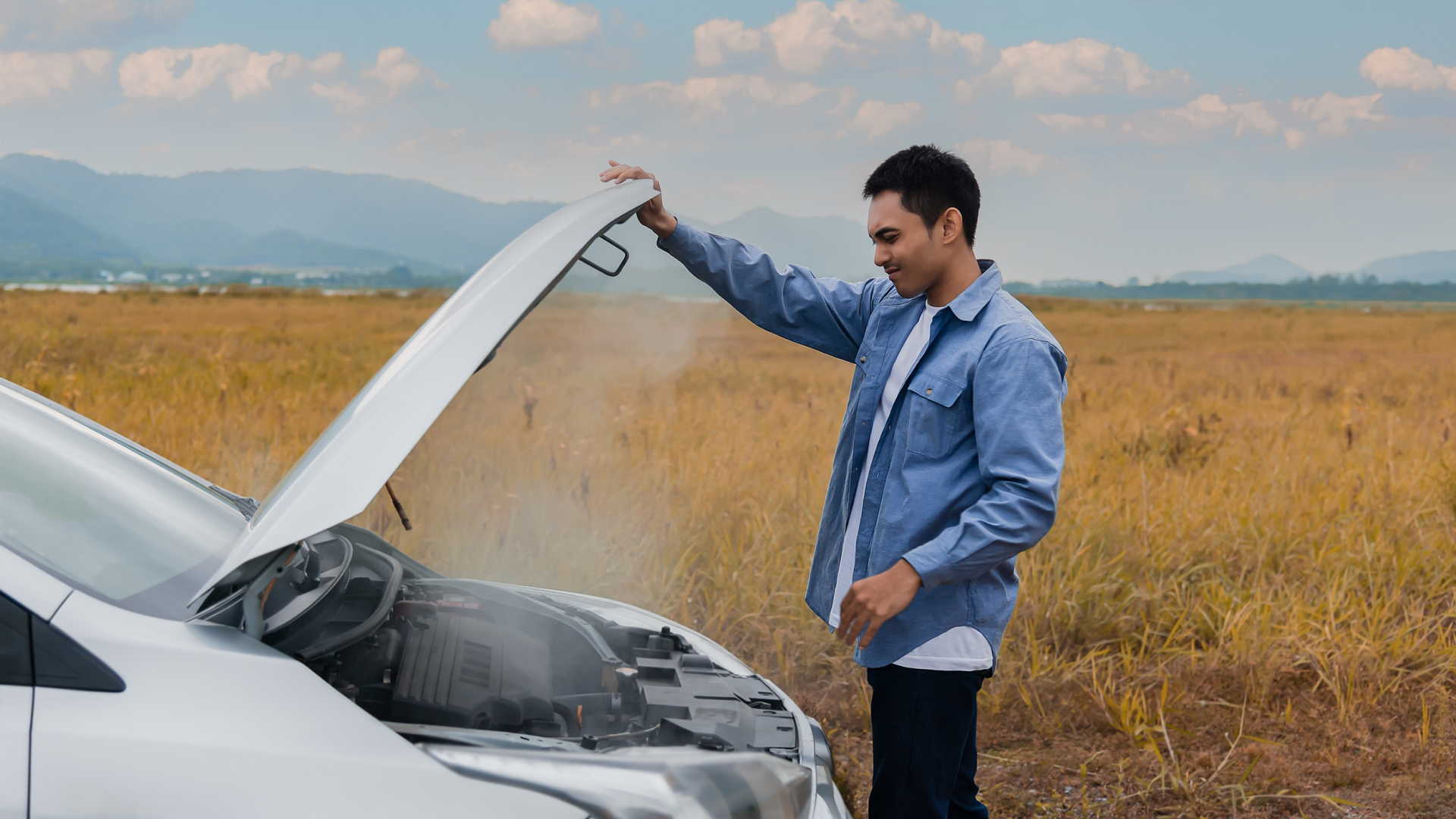
A sudden rise in engine temperature can turn an ordinary drive into a stressful roadside emergency. You may notice the temperature gauge climbing, a warning light appearing on the dashboard, steam coming from under the hood, or an unusual smell coming from the engine compartment.
Engine overheating should never be ignored. Continuing to drive an overheating vehicle can turn a manageable cooling-system problem into serious engine damage. In some situations, the safest decision is to pull over, shut the engine off, allow it to cool, and arrange professional roadside assistance or towing.
Understanding why an engine overheats can help you respond quickly without making the situation worse. This guide explains the common causes of sudden engine overheating, the warning signs to watch for, what to do immediately, what not to do, and when towing is safer than attempting to drive to a repair shop.
What Does It Mean When an Engine Overheats?
An engine overheats when its operating temperature rises beyond the range the cooling system can safely control.
A gasoline or diesel engine produces a significant amount of heat while running. The cooling system is designed to remove that heat and maintain a controlled operating temperature. Coolant circulates through the engine, absorbs heat, and travels to the radiator, where that heat is released.
If coolant is lost, circulation is interrupted, airflow is reduced, or a cooling-system component fails, the engine temperature can rise quickly.
What Happens Inside an Overheating Engine?
Several components work together to keep engine temperatures under control, including:
Engine coolant
Radiator
Water pump
Thermostat
Radiator fans
Hoses
Coolant reservoir
Radiator cap
Drive belts and related components
A problem with one part can affect the entire system.
For example, a leaking radiator hose can allow coolant to escape. A failed water pump may prevent coolant from circulating properly. A thermostat that does not open can restrict coolant flow and cause the engine temperature to climb.
The result may be anything from a warning light to severe mechanical damage if the vehicle continues operating while overheated.
What Causes Sudden Engine Overheating?
Engine overheating does not always happen gradually. A vehicle can appear to be running normally and then develop a temperature problem within a short period.
Several issues can cause this.
Low Coolant or a Coolant Leak
Low coolant is one of the most common car reasons an engine may overheat.
The cooling system requires enough coolant to absorb and transfer heat away from the engine. If the coolant level becomes too low, the system may not be able to regulate temperature effectively.
A leak can occur from a damaged hose, radiator, water pump, gasket, reservoir, or another cooling-system component.
Signs of a possible coolant leak include:
A puddle or wet area underneath the vehicle
Sweet-smelling fluid near the engine
A low coolant warning
Repeatedly needing to add coolant
Visible coolant around hoses or radiator components
If coolant is leaking rapidly, adding more fluid may only provide temporary relief. The underlying problem still needs to be diagnosed.
Failed Thermostat
The thermostat controls coolant flow between the engine and radiator.
When the engine is cold, the thermostat generally remains closed to help the engine reach its normal operating temperature. As temperature rises, it opens to allow coolant to circulate through the radiator.
A thermostat that becomes stuck closed can restrict coolant flow. This may cause the engine temperature to rise even though the vehicle has adequate coolant.
Damaged or Failing Water Pump
The water pump helps circulate coolant through the engine and cooling system.
If the pump fails or its operation becomes severely impaired, coolant may not circulate correctly. The engine can then accumulate heat faster than the cooling system can remove it.
A failing water pump may be associated with coolant leaks, unusual noises, overheating, or visible problems around the pump area.
Radiator Problems
The radiator releases heat from the coolant before that coolant returns to the engine.
A radiator can become clogged, damaged, or restricted. External debris can also interfere with airflow through the radiator.
If the radiator cannot transfer heat efficiently, engine temperature may increase, especially during demanding driving conditions.
Cooling Fan Failure
Radiator fans help move air through the radiator, particularly when the vehicle is moving slowly or sitting in traffic.
A failed fan, electrical problem, damaged fan motor, relay issue, or related component can reduce airflow. This may become especially noticeble during stop-and-go driving.
A vehicle that overheats in traffic but seems to cool down while moving may have a cooling-system airflow problem.
Broken or Damaged Drive Belt
Some vehicles rely on belts to operate components that are essential to engine cooling.
If a belt breaks or becomes severely damaged, the water pump or other components may stop functioning properly, depending on the vehicle's design.
A broken belt can sometimes be accompanied by unusual noises or a sudden change in how the vehicle operates.
Head Gasket Problems
A damaged head gasket can create serious engine and cooling-system problems.
The head gasket helps seal the connection between the engine block and cylinder head. If it fails, coolant may enter areas where it should not, combustion gases can enter the cooling system, or engine fluids can become contaminated.
Possible warning signs include repeated overheating, white exhaust smoke, coolant loss without an obvious external leak, or changes in engine performance.
A suspected head gasket problem should be treated as a serious mechanical issue rather than something to drive through.
What Are the Warning Signs of an Overheating Engine?
The temperature gauge is not the only warning sign.
Your vehicle may show one or more symptoms before or during an overheating event.
Common Overheating Symptoms
Watch for:
Temperature gauge moving into the hot zone
Temperature warning light
Steam or vapor from under the hood
Burning or unusual odors
Coolant leaking underneath the vehicle
Reduced engine performance
Unusual engine noises
Heater blowing unusually cold air when the engine is hot
Engine misfiring or running poorly
The exact symptoms vary by vehicle and the cause of the overheating.
If the dashboard temperature gauge is rising rapidly, do not wait for steam to appear before taking action.
What Should You Do If Your Engine Suddenly Overheats?
The safest response is to reduce the risk of further engine damage and get yourself away from moving traffic.
1. Take the Warning Seriously
If the temperature gauge enters the red zone or a high-temperature warning appears, treat it as a mechanical emergency.
Avoid assuming that the gauge will return to normal on its own.
2. Turn Off the Air Conditioning
If you notice the temperature beginning to rise, turning off the air conditioning can reduce the load placed on the engine.
In some situations, turning the heater on temporarily may help remove some heat from the engine. This can be uncomfortable, but it may provide a short window to reach a safe location.
This is only a temporary measure. It is not a repair and should not be used to justify continuing a long drive with an overheating engine.
3. Find a Safe Place to Stop
Pull over somewhere away from moving traffic whenever possible.
A safe shoulder, parking area, or other suitable location is preferable to stopping in an active traffic lane.
Turn on your hazard lights if your vehicle is creating a roadside hazard.
4. Shut the Engine Off
Once you are safely stopped, turn the engine off.
Allow the vehicle to cool naturally.
Do not immediately open the radiator cap or coolant reservoir if the system is hot or pressurized.
5. Stay Away From Hot Coolant and Steam
An overheating cooling system can contain extremely hot, pressurized coolant.
Opening a radiator cap while the engine is hot can release scalding coolant or steam and cause serious burns.
Do not put your hands near steam, hot hoses, the radiator, or other components simply to determine how hot they are.
6. Arrange Roadside Assistance or Towing
If the vehicle has overheated significantly, the safest option may be professional roadside assistance or towing rather than continuing to drive.
A towing professional can help move the vehicle to a safer location or repair facility without requiring you to risk additional engine damage.
For drivers in Marrero, Harvey, Gretna, Westwego, and surrounding Louisiana areas, A&Z Towing LLC provides 24/7 towing and roadside assistance for vehicle breakdowns and other roadside emergencies.
What Should You Never Do With an Overheating Vehicle?
Knowing what not to do can be just as important as knowing what to do.
Do Not Open a Hot Radiator Cap
This is one of the most important safety precautions.
The cooling system may be pressurized. Removing the cap while hot can release hot coolant or steam unexpectedly.
Wait until the vehicle has cooled sufficiently before attempting to inspect the cooling system, and follow the vehicle manufacturer's instructions.
Do Not Pour Cold Water Into a Hot Engine
Rapidly introducing cold liquid to extremely hot engine components may create thermal stress and is not a substitute for diagnosing the cooling-system problem.
If coolant needs to be added after the vehicle has cooled, use the correct type of fluid and follow the manufacturer's recommendations.
Do Not Keep Driving With the Temperature Gauge in the Red
An overheating engine does not become safer because the vehicle is only a few miles from home.
Continuing to drive can increase the possibility of expensive engine damage.
Do Not Assume the Problem Is Fixed After the Temperature Drops
The temperature may temporarily return to normal after the vehicle sits.
That does not mean the underlying problem has disappeared.
A coolant leak, thermostat issue, water pump failure, fan problem, or other fault can return as soon as the engine is placed under load again.
Is It Safe to Drive an Overheating Car to a Repair Shop?
Usually, driving an actively overheating vehicle is not a good idea.
The decision depends on the severity and cause of the problem, but a vehicle that is already showing a high-temperature warning should generally be treated cautiously.
If the gauge is in the red, steam is coming from the engine compartment, coolant is leaking heavily, or the engine is running poorly, towing is a safer choice than attempting to reach a repair shop under your own power.
When Towing Makes More Sense
Consider arranging towing when:
The temperature remains high after stopping
The vehicle loses coolant
Steam continues coming from under the hood
The car stops running
The temperature warning returns quickly
The vehicle is making unusual mechanical noises
You cannot identify the cause of overheating
The vehicle is in an unsafe roadside position
You are far from a repair facility
A flatbed tow truck can be particularly useful when a vehicle should not be driven because of mechanical damage or another serious problem.
Can Hot Weather Cause an Engine to Overheat?
Hot Louisiana weather can place additional demands on a vehicle's cooling system, but high outside temperatures alone do not necessarily mean an engine should overheat.
A properly functioning cooling system is designed to regulate engine temperature under normal operating conditions.
Extreme heat, heavy traffic, long periods of idling, towing, low coolant, poor airflow, or an existing mechanical problem can expose weaknesses in the cooling system.
Why Traffic Can Make Overheating More Noticeable
Vehicles moving at highway speeds receive substantial airflow through the front of the vehicle.
During slow traffic or extended idling, the radiator depends more heavily on its cooling fans to move air.
If a cooling fan is not operating correctly, an engine may run hotter during traffic even though it appears normal at higher speeds.
How Can You Prevent Sudden Engine Overheating?
You cannot prevent every mechanical failure, but routine maintenance can reduce the chance of cooling-system problems catching you by surprise.
Check Coolant Levels
Check coolant according to the vehicle manufacturer's recommendations and only when the engine is cool.
If you repeatedly need to add coolant, do not treat that as normal maintenance. It may indicate a leak or another cooling-system problem.
Watch the Temperature Gauge
Make a habit of noticing where your vehicle normally operates on the temperature gauge.
A change from its usual position can provide an early warning that something is wrong.
Inspect for Leaks
During routine vehicle checks, look for unusual fluid underneath the vehicle or visible signs of leakage around the cooling system.
Do not touch unknown fluids with your bare hands.
Maintain the Cooling System
Follow the vehicle manufacturer's maintenance recommendations for coolant service and inspection.
Hoses, belts, radiator components, fans, thermostats, and water pumps can all affect engine temperature.
Do Not Ignore Small Warning Signs
A slightly unusual temperature reading, recurring coolant loss, or intermittent overheating deserves attention.
Small symptoms can become larger problems if the underlying cause is left unresolved.
Common Misconceptions About Engine Overheating
Several assumptions can lead drivers to make risky decisions during an overheating event.
Myth: Adding Coolant Always Fixes Overheating
Adding coolant may restore the proper fluid level if the problem is simply low coolant, but it does not repair the reason the coolant was lost.
A leak or failed component still needs attention.
Myth: You Can Drive Slowly Until the Engine Cools Down
Driving an overheating vehicle still produces engine heat.
If the cooling system cannot control that heat, continuing to drive may worsen the situation.
Myth: Steam Always Means the Engine Is Destroyed
Steam indicates a serious overheating or coolant-related problem, but it does not automatically prove that the engine has suffered permanent damage.
The vehicle needs to cool safely and be properly inspected.
Myth: An Overheating Engine Can Be Restarted Immediately
Restarting a hot engine can increase the risk of additional damage if the underlying problem remains.
Allow the vehicle to cool and seek professional assistance when necessary.
What Information Should You Give a Towing Company?
When requesting towing or roadside assistance, provide as much useful information as possible.
Tell the dispatcher:
Your exact location or nearest identifiable landmark
Your vehicle's make, model, and approximate size
What happened
Whether the engine is still running
Whether you see steam or leaking fluid
Whether the vehicle is blocking traffic
Whether anyone needs emergency medical assistance
Your preferred destination, if known
Clear information helps the towing provider understand the situation and determine the appropriate equipment.
For an overheating vehicle, mention the overheating specifically rather than simply saying the vehicle "broke down." This gives the towing provider more useful context before dispatch.
Conclusion
Sudden engine overheating can result from low coolant, leaks, thermostat problems, radiator restrictions, cooling fan failures, water pump issues, damaged belts, or more serious engine problems.
The most important response is to protect yourself and avoid turning a cooling-system problem into major engine damage. If the temperature gauge reaches the danger zone, pull over safely, turn the engine off, stay away from hot pressurized components, and allow the vehicle to cool.
Do not open a hot radiator cap, pour cold water into a severely overheated engine, or continue driving simply because your destination is nearby.
When the cause is unknown or the vehicle remains unsafe to drive, emergency towing is often the better choice. A&Z Towing LLC provides 24/7 towing and roadside assistance for drivers in Marrero, Harvey, Gretna, Westwego, and surrounding Louisiana areas, helping motorists move a disabled vehicle safely when driving it is no longer a reasonable option. If you ever find yourself in need of help, feel free to contact us right away.
Frequently Asked Questions
What causes a car engine to suddenly overheat?
A car can suddenly overheat because of low coolant, a coolant leak, failed thermostat, damaged water pump, radiator problem, cooling fan failure, broken belt, or another cooling-system or engine problem. The exact cause requires proper inspection.
Is it safe to drive a car that is overheating?
Driving an actively overheating vehicle can cause additional engine damage. If the temperature gauge reaches the red zone, steam appears, coolant is leaking, or the warning continues, pull over safely, shut the engine off, and consider arranging professional towing.
How long should I wait before opening the hood after overheating?
Allow the vehicle time to cool before inspecting the engine compartment, and use caution around steam and hot components. Never remove a radiator cap while the cooling system is hot or pressurized because hot coolant or steam can escape.
Can low coolant cause sudden engine overheating?
Yes. Low coolant can prevent the cooling system from transferring enough heat away from the engine. If coolant is repeatedly low, there may be a leak or another mechanical problem that needs to be identified rather than simply adding coolant repeatedly.
Why does my car overheat in traffic but not on the highway?
Overheating that occurs mainly in traffic may be related to insufficient airflow through the radiator. Cooling fan problems are one possible cause, although other cooling-system issues can produce similar symptoms.
Can a bad thermostat make a car overheat?
Yes. A thermostat that fails to open properly can restrict coolant circulation between the engine and radiator. This can prevent heat from being removed efficiently and cause the engine temperature to rise.
Should I use the heater if my engine is overheating?
Turning the cabin heater on may temporarily transfer some engine heat into the passenger compartment, but it is not a repair. If the temperature continues rising, pull over safely and shut the engine off rather than relying on the heater to keep driving.
What should I do if my car overheats and shuts off?
Move yourself to a safe location away from traffic if possible, activate hazard lights when appropriate, and avoid repeatedly restarting the vehicle. Allow it to cool and arrange professional roadside assistance or towing for further evaluation.
Can an overheating engine damage the vehicle?
Yes. Continuing to operate an engine at excessively high temperatures can cause serious mechanical damage. The potential consequences depend on the cause, severity, and duration of the overheating, which is why prompt action is important.
When should I call a tow truck for an overheating car?
Call for towing if the vehicle remains overheated, loses coolant, produces steam, has a serious mechanical symptom, shuts down, or cannot be safely driven. Towing can prevent the need to operate a vehicle that may already have a significant mechanical problem.