How Does Professional Vehicle Recovery Work When a Car Is Stuck?
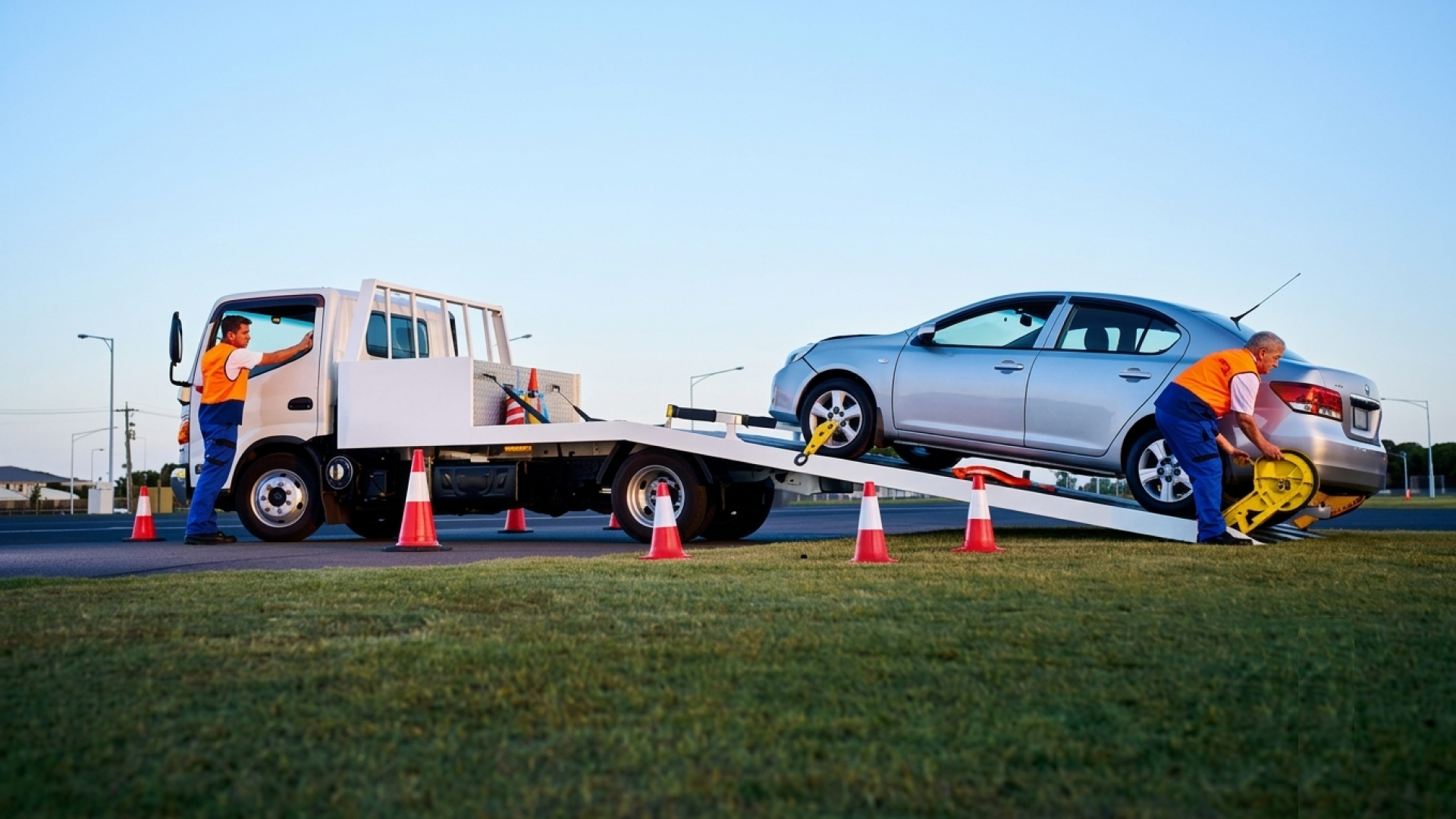
A vehicle can become stuck in places that make a normal tow impossible. A car may slide into a roadside ditch after an accident, sink into mud after heavy rain, lose traction on loose gravel, or become lodged on uneven ground. Trying to pull it out with the wrong equipment can damage the vehicle, the recovery equipment, or the surrounding property.
Professional vehicle recovery is designed for situations like these. Instead of simply attaching a vehicle to a tow truck and driving away, a recovery operator first evaluates the vehicle, the terrain, the safest recovery direction, and the equipment needed to move it.
For drivers in Marrero, Harvey, Gretna, Westwego, and nearby Louisiana communities, understanding how vehicle recovery works can make a stressful roadside emergency easier to handle. This guide explains the recovery process, the equipment involved, what drivers should do before help arrives, and when professional recovery is a safer choice than attempting to free a stuck vehicle yourself.
What Is Professional Vehicle Recovery?
Professional vehicle recovery is the process of safely removing a vehicle that cannot move under its own power or cannot be towed normally because of its position, terrain, damage, or loss of traction.
A standard tow generally involves connecting a movable vehicle to a tow truck and transporting it to another location. Recovery can be more involved because the vehicle may need to be repositioned, winched, lifted, or carefully extracted before it can be transported.
Common recovery situations include:
A car stuck in mud or soft ground
A vehicle that has slid into a ditch
A car trapped in sand, gravel, or loose terrain
A vehicle involved in an accident and left in an awkward position
A car with wheels stuck against an obstacle
A vehicle that cannot safely roll onto a tow truck
A disabled vehicle partially off the roadway
A vehicle that has lost traction on uneven ground
The recovery method depends on the circumstances. A trained operator does not automatically use maximum pulling force. The goal is controlled movement that minimizes unnecessary stress on the vehicle and surrounding area.
Why a Stuck Vehicle Can Be Difficult to Recover
A vehicle that looks only slightly stuck can present several complications. The wheels may be buried, the vehicle may be sitting at an angle, or the ground beneath it may not provide enough support for a conventional tow truck.
The Vehicle May Be Sitting at an Unsafe Angle
A car in a ditch or on an embankment can shift unexpectedly during recovery. Its center of gravity, wheel position, and direction of movement all matter. If the vehicle is pulled from the wrong direction, it may move sideways rather than forward. That can increase the risk of body damage or make the recovery more difficult.
The Wheels May Have Lost Traction
Mud, sand, wet grass, loose gravel, and similar surfaces can prevent tires from generating enough traction to move the vehicle. Spinning the tires harder does not always solve the problem. It can dig the vehicle deeper into the surface, making the recovery more complicated.
Damage May Affect the Recovery Method
After a collision, suspension components, steering systems, wheels, bumpers, or other parts may be damaged. A vehicle that looks towable may require a different approach if its wheels cannot roll normally. The recovery operator needs to account for visible damage before deciding how to move the vehicle.
The Location Can Create Additional Risks
A stuck vehicle near moving traffic creates a separate safety concern. So does a vehicle near a steep slope, drainage area, construction zone, fence, or other obstacle. Professional recovery is not only about getting the car unstuck. It is also about controlling the situation around it.
How Professional Vehicle Recovery Works Step by Step
Although every recovery is different, professional operators generally follow a structured process rather than immediately pulling the vehicle.
Step 1: Assess the Scene
The first step is evaluating the vehicle and its surroundings. The operator may look at:
How deeply the vehicle is stuck
Whether the vehicle is damaged
The direction the vehicle needs to move
The condition of the ground
Wheel and tire position
Nearby traffic and obstacles
Available attachment points
Whether the vehicle can roll
What equipment can safely access the location
This assessment helps determine the safest recovery strategy.
Step 2: Stabilize the Vehicle
Before applying pulling force, the operator may need to stabilize the vehicle. This can be particularly important if the vehicle is sitting at an angle or has moved partly off the roadway. Stabilization helps prevent unexpected movement during the recovery.
Why Stabilization Matters
A vehicle can shift as force is applied. If it is already unstable, uncontrolled movement can create additional damage or put people nearby at risk. The recovery plan should account for how the vehicle will behave as it begins moving.
Step 3: Choose the Appropriate Recovery Point
The attachment point matters. Recovery equipment should be connected to a suitable structural point or manufacturer-approved recovery location whenever possible. Using an inappropriate attachment point can damage vehicle components. This is one reason improvised methods can be risky. A tow strap connected to a convenient but unsuitable part of the vehicle may pull against something that was never designed to withstand recovery forces.
Step 4: Select the Right Equipment
The equipment depends on the vehicle and recovery conditions. Potential equipment may include:
Winches
Recovery straps
Chains where appropriate
Shackles and connection hardware
Tow trucks
Flatbed trucks
Wheel-lift equipment
Stabilization equipment
Auxiliary recovery tools
The operator chooses equipment based on the recovery problem rather than assuming one method works for every vehicle.
Step 5: Apply Controlled Recovery Force
Once the vehicle is secured, the operator can begin the extraction. The movement is generally controlled and gradual. The operator watches the vehicle, attachment points, wheels, terrain, and surrounding area throughout the process. If the vehicle begins moving in an unexpected direction, the recovery can be stopped and reassessed.
Step 6: Reposition the Vehicle
Sometimes getting the vehicle out of the immediate problem is only the first part of the job. A car pulled from a ditch may still need to be repositioned so it can be safely loaded onto a tow truck. A damaged vehicle may need to be aligned carefully before transportation.
Step 7: Tow or Transport the Vehicle
After recovery, the vehicle may be transported to a repair shop, home, collision center, storage facility, or another appropriate destination. If the vehicle has significant damage or cannot safely roll, flatbed towing may be appropriate because the entire vehicle can be carried on the truck rather than relying on its damaged wheels to support movement.
What Equipment Is Used for Vehicle Recovery?
Professional vehicle recovery equipment varies according to the situation. There is no single tool that is ideal for every stuck vehicle.
Winches
A winch can pull a vehicle toward a recovery point when driving or conventional towing is not possible. Winching is particularly useful when a vehicle is stuck in mud, a ditch, or another position where controlled pulling is required. The winch must be used with appropriate connection points and recovery equipment.
Recovery Straps
Recovery straps can provide a flexible connection between recovery equipment and the vehicle when appropriate for the situation. They need to be correctly rated and positioned. Improvised ropes, unsuitable straps, or damaged recovery equipment should not be treated as professional recovery gear.
Wheel-Lift Equipment
Wheel-lift systems raise one end of a vehicle so it can be moved. They can be useful for certain towing situations, but whether they are appropriate depends on the vehicle's drivetrain, condition, wheel position, and damage.
Flatbed Tow Trucks
A flatbed tow truck carries the vehicle on a platform. Flatbed towing can be useful when a vehicle has substantial damage, cannot roll normally, or needs to be transported with all four wheels off the ground.
Stabilization and Rigging Equipment
Some recoveries require additional equipment to stabilize or guide the vehicle. The exact setup depends on terrain, vehicle position, and the recovery plan. Experienced operators select equipment based on the actual conditions rather than relying on a one-size-fits-all method.
Common Situations That Require Vehicle Recovery
Vehicle recovery can become necessary in several different roadside emergencies.
A Car Stuck in a Ditch
Ditches are one of the most common examples of a recovery situation that goes beyond ordinary towing. The vehicle may have one or more wheels off the pavement, making it difficult to connect a conventional tow setup safely. The recovery operator may need to pull the vehicle back toward a stable surface before loading or towing it.
A Vehicle Stuck in Mud
Mud can reduce tire traction dramatically. Continuing to spin the tires can cause the vehicle to sink deeper. A professional recovery approach focuses on controlled extraction and minimizing unnecessary wheel spin.
A Car Stuck After an Accident
Collision scenes can involve damaged wheels, suspension components, body panels, or steering systems. If the vehicle cannot roll safely, specialized recovery and transportation equipment may be necessary.
A Vehicle Off the Road
A vehicle that leaves the roadway may encounter grass, soft shoulders, uneven terrain, drainage areas, or other obstacles. Even if the car appears undamaged, pulling it back onto the road requires careful attention to its position and the surrounding terrain.
What Should You Do Before the Recovery Truck Arrives?
The driver's actions before help arrives can affect safety and the eventual recovery.
First, move yourself and your passengers to a safe location if the vehicle's position creates a traffic hazard. If the car is on or near an active roadway, use hazard lights when appropriate and avoid standing directly beside traffic.
Do not crawl underneath a stuck vehicle to attach a strap or chain.
Avoid repeatedly accelerating in an attempt to escape deep mud or loose ground. Wheel spin can make the situation worse and may create additional mechanical stress.
When contacting a towing or recovery provider, give as much useful information as possible. Tell the operator:
Your location or nearest cross street
The type of vehicle
Whether anyone is injured
Whether the vehicle is damaged
Whether it is in a ditch, mud, sand, or another difficult position
Whether the vehicle can move
Whether the location is creating a traffic hazard
Photos can also help the recovery provider understand the situation before arriving, provided you can take them safely.
Can You Recover a Stuck Vehicle Yourself?
Some minor traction problems can be resolved without professional assistance, but not every recovery should be attempted as a DIY project. A vehicle stuck only slightly on a flat, stable surface may sometimes be freed using appropriate traction methods. The situation becomes more complicated when the vehicle is deeply buried, tilted, damaged, close to traffic, or positioned in a ditch.
Why Improvised Recovery Can Be Dangerous
Recovery equipment stores and releases significant amounts of force. If a strap, chain, or attachment point fails, the equipment can move unexpectedly. Another problem is choosing the wrong attachment location. A bumper, suspension component, or other convenient-looking part may not be designed for pulling. If you are uncertain about the vehicle's position or the correct recovery method, professional assistance is generally the safer choice.
Vehicle Recovery vs. Regular Towing
The terms towing and recovery are sometimes used interchangeably, but they describe different roadside situations. Regular towing usually involves a vehicle that can be connected to a tow truck and transported in a relatively straightforward manner.
Vehicle recovery is needed when the vehicle first has to be extracted, repositioned, or stabilized because of where or how it is stuck.
For example, a car parked on a paved driveway with a mechanical failure may simply need towing. A car that slid into a muddy roadside ditch may require recovery before it can be transported. Understanding this distinction can also help you describe your situation accurately when requesting roadside assistance.
Common Misconceptions About Vehicle Recovery
Several assumptions can make a difficult recovery even harder.
“More Pulling Force Is Always Better”
Not necessarily. Excessive force can damage a vehicle or recovery equipment. Controlled recovery is usually preferable to simply applying more force.
“If the Tires Spin, the Car Will Eventually Get Out”
Wheel spin can dig tires deeper into mud, sand, or soft soil. Sometimes the best next step is to stop trying to drive and arrange professional recovery.
“Any Tow Truck Can Recover Any Vehicle”
Different recovery situations require different equipment and techniques. A basic towing setup may not be appropriate for a vehicle that is severely stuck, damaged, or positioned off the roadway.
“A Vehicle That Looks Undamaged Is Safe to Pull”
A vehicle can have hidden mechanical or structural damage, particularly after an accident. The operator should assess the vehicle before deciding how to move it.
How to Make a Vehicle Recovery Safer
A few simple practices can make roadside recovery more efficient and reduce unnecessary risk.
Give Accurate Information
When calling for help, describe the location and condition honestly. Saying that the vehicle is “just stuck” may not give the operator enough information. Mention whether it is in mud, a ditch, a yard, a soft shoulder, or another difficult location.
Follow the Recovery Operator's Instructions
Stay clear of recovery equipment unless the operator asks you to assist. Do not stand between the vehicle and the pulling direction, near tensioned straps, or in another area the operator identifies as unsafe.
Keep Passengers Away From the Recovery Area
Children, pets, and other passengers should remain in a safe location away from the vehicle and recovery equipment.
Do Not Rush the Process
A recovery can take longer when the vehicle is badly positioned or the terrain is unstable. Taking the time to set up the equipment properly is preferable to rushing a pull that could cause damage.
How A&Z Towing Helps With Vehicle Recovery in Louisiana
A&Z Towing LLC provides 24/7 towing and roadside assistance for drivers in Marrero, Harvey, Gretna, Westwego, and surrounding Louisiana areas.
Vehicle recovery is part of the service for situations where a car cannot simply be hooked up and towed normally. Depending on the circumstances, recovery may involve getting a vehicle out of a ditch, off difficult terrain, or back into a position where it can be safely transported.
The company also provides emergency towing, light-duty towing, flatbed towing, and roadside assistance for problems such as flat tires, lockouts, dead batteries, breakdowns, and accidents. For drivers requesting assistance, clear communication is useful. Providing the vehicle's location, condition, and surroundings helps the towing provider understand what kind of assistance may be required.
Practical Takeaways for Drivers With a Stuck Vehicle
If your car becomes stuck, remember these basic steps:
Protect people first. Move to a safe location when possible.
Avoid making the situation worse. Do not repeatedly spin the tires.
Describe the situation accurately. Tell the recovery provider where and how the vehicle is stuck.
Do not use unsafe attachment points. A convenient-looking part may not be designed for recovery.
Avoid standing near recovery equipment under tension.
Use professional recovery for difficult situations. Ditches, deep mud, severe damage, unstable terrain, and traffic exposure can make DIY recovery unsafe.
Arrange transportation after extraction. The vehicle may still need towing after it has been recovered.
Professional vehicle recovery is a controlled process built around assessment, proper equipment, safe attachment, careful pulling, and appropriate transportation. The objective is not simply to move a stuck car as quickly as possible. It is to recover the vehicle while limiting unnecessary risk to the vehicle, people, equipment, and surroundings.
Conclusion
A stuck vehicle can turn a routine drive into a serious roadside problem, particularly when the car is in a ditch, trapped in mud, damaged after an accident, or sitting partly off the road. Professional vehicle recovery handles these situations differently from ordinary towing by first evaluating the vehicle and terrain, selecting appropriate equipment, stabilizing the situation, and applying controlled recovery force.
Drivers can help by staying away from hazardous areas, avoiding repeated wheel spin, and giving the towing provider accurate information about the vehicle's location and condition. For difficult recoveries, professional equipment and experience can make the difference between a controlled extraction and a situation that becomes more complicated.
A&Z Towing LLC provides 24/7 towing and roadside assistance throughout Marrero, Harvey, Gretna, Westwego, and surrounding Louisiana areas, including vehicle recovery, emergency towing, light-duty towing, and flatbed towing.
Frequently Asked Questions
1. What is vehicle recovery?
Vehicle recovery is the process of safely removing a vehicle that cannot move normally because it is stuck, damaged, off the roadway, trapped in a ditch, or positioned on difficult terrain. Recovery may involve winching, stabilization, repositioning, and towing.
2. Can a towing company get a car out of a ditch?
Yes. A towing and recovery provider may be able to extract a vehicle from a ditch using appropriate recovery equipment and techniques. The method depends on the vehicle's position, damage, terrain, and access to the vehicle.
3. Can a vehicle be recovered from mud?
A vehicle stuck in mud can often be recovered with appropriate equipment and controlled pulling. Repeatedly spinning the tires may make the vehicle sink deeper, so professional recovery can be a safer option when traction cannot be restored.
4. Is vehicle recovery different from regular towing?
Yes. Regular towing generally involves transporting a vehicle that can be connected and moved relatively easily. Recovery is more involved because the vehicle may first need to be extracted, stabilized, repositioned, or lifted before it can be transported.
5. When should I call a professional for a stuck vehicle?
Call a professional when the vehicle is deeply stuck, in a ditch, damaged, tilted, off the roadway, near traffic, or located on unstable terrain. Professional recovery is also appropriate when you do not have properly rated recovery equipment or know how to use it safely.
6. Can flatbed towing be used after vehicle recovery?
Yes. After a vehicle is extracted, a flatbed tow truck may be used to transport it, particularly when the vehicle is damaged or cannot safely roll. The appropriate towing method depends on the vehicle's condition and recovery circumstances.
7. Should I keep trying to drive when my vehicle is stuck?
Usually, repeated attempts are not helpful if the tires are spinning without gaining traction. Continued wheel spin can dig the vehicle deeper into soft ground. Stop and assess the situation before attempting additional movement.
8. What information should I give a towing company during a recovery call?
Provide your exact location or nearest identifiable landmark, vehicle type, direction of travel, and details about how the vehicle became stuck. Explain whether it is in mud, a ditch, soft ground, or another difficult position and whether there is visible damage.
9. Is it safe to attach a tow strap to any part of a vehicle?
No. Recovery straps should be connected only to suitable, manufacturer-approved or structurally appropriate recovery points. Attaching equipment to an unsuitable component can cause damage or create a dangerous equipment failure.
10. What areas does A&Z Towing serve?
A&Z Towing serves Marrero, Harvey, Gretna, Westwego, and surrounding Louisiana areas. The company provides 24/7 towing and roadside assistance, including emergency towing, light-duty towing, flatbed towing, vehicle recovery, and roadside help.