How Do You Know If Your Vehicle Needs Towing Instead of Roadside Assistance?
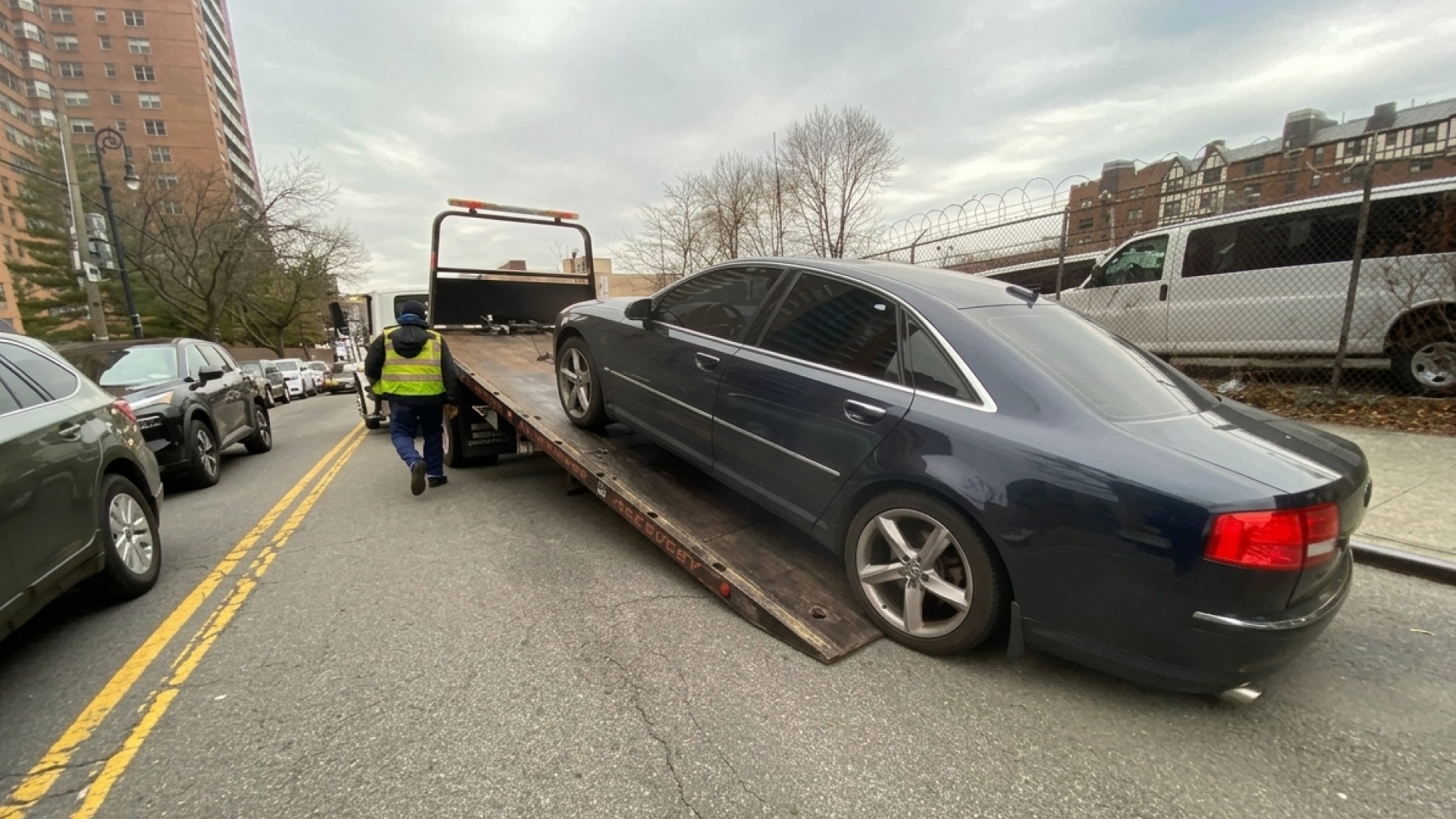
Breaking down on the side of the road can leave you with one immediate question: Do I need a tow truck, or can roadside assistance fix the problem where I am?
The answer depends on what caused the problem, whether the vehicle can be safely driven, and whether a roadside service can realistically resolve the issue. A dead battery, flat tire, empty fuel tank, or locked vehicle may only require roadside assistance. A vehicle with serious mechanical damage, accident damage, steering problems, or unsafe wheels may need to be towed.
Knowing the difference can save time, prevent additional vehicle damage, and help you make a safer decision during an already stressful situation. For drivers in Marrero, Harvey, Gretna, Westwego, and surrounding Louisiana communities, understanding your options can also make it easier to explain the situation when requesting emergency towing or roadside assistance.
What Is the Difference Between Towing and Roadside Assistance?
The simplest distinction is this:
Roadside assistance is intended to solve certain problems at the location where your vehicle has stopped. Towing is used when the vehicle needs to be transported because it cannot or should not be driven.
Roadside assistance may include services such as:
Changing a flat tire
Providing emergency fuel delivery
Helping with a vehicle lockout
Performing limited roadside troubleshooting
Assisting with other minor problems that can be safely addressed at the roadside
Towing serves a different purpose. A tow truck transports the vehicle to another location, such as a repair shop, collision center, dealership, residence, or secure parking area.
The two services can also work together. For example, a driver may first request roadside assistance for a vehicle that will not start. If the battery is not the cause of the problem and the vehicle remains inoperable, towing may be the next step.
When Does a Vehicle Need Roadside Assistance?
Roadside assistance is usually appropriate when the problem is relatively straightforward and the vehicle can potentially return to normal operation after a basic service.
Dead Battery or No-Start Problem
A vehicle that will not start because of a discharged battery may only need a jump-start.
If the engine starts normally after assistance and there are no other warning signs, you may be able to continue driving. However, a jump-start does not repair a failing battery or alternator.
If the vehicle dies again shortly afterward, produces electrical warning signs, or refuses to restart, it may show signs your vehicle needs more than a jump start, and towing may be safer than repeated jump starts.
Flat Tire
A flat tire is another common roadside emergency.
If the vehicle has a usable spare tire and the necessary equipment, a tire change may get you back on the road. Roadside assistance can be useful when you do not have a spare, cannot safely change the tire yourself, or encounter a problem with the vehicle's tire equipment.
A vehicle with multiple damaged tires, severe wheel damage, or a tire situation that cannot be safely corrected may require towing.
Vehicle Lockout
Locking your keys inside your vehicle generally does not mean the vehicle needs to be towed.
A roadside assistance provider can offer car lockout services to help you regain access without transporting the vehicle. Drivers should avoid forcing doors open or using improvised tools, as DIY vehicle lockout methods can cause damage.
Empty Fuel Tank
Running out of fuel is another situation where towing may not be necessary.
Fuel delivery services can sometimes get a stranded driver moving again. If the vehicle still will not start after receiving fuel, however, there may be another mechanical or electrical problem requiring further assistance or a tow.
When Does a Vehicle Need Towing?
A tow is generally the better choice when the vehicle cannot be safely driven or the problem requires repairs that cannot be completed at the roadside. Several warning signs point toward towing rather than a simple roadside service.
The Engine Has Serious Mechanical Problems
A vehicle that suddenly develops severe engine problems should not be driven simply because it still moves. Examples can include:
Loud knocking or grinding noises
Heavy smoke
Major fluid leaks
Severe overheating
Loss of engine power
Persistent warning lights combined with unusual vehicle behavior
An engine that starts but immediately runs poorly or stalls
Continuing to drive with a serious mechanical problem can turn a manageable repair into a much larger one. If you are unsure whether the vehicle is safe to operate, explain the symptoms to the towing or roadside professional before attempting to drive it.
The Vehicle Was Involved in an Accident
Collision damage is a strong reason to consider accident towing.
Even when a vehicle appears driveable, hidden damage can affect the steering, suspension, brakes, wheels, frame, or other safety-related components. A vehicle involved in a collision may need to be transported to a repair facility or another safe location rather than driven through traffic.
The Steering or Brakes Are Not Working Properly
Steering and braking problems should be treated seriously.
If the steering wheel suddenly becomes difficult to control, the vehicle pulls severely, the brakes feel abnormal, or braking performance is significantly reduced, driving the vehicle can create a serious safety risk. In these situations, towing is generally more appropriate than trying to reach a repair shop yourself.
A Wheel or Suspension Component Is Damaged
A damaged wheel, broken suspension component, or severely bent steering part can make a vehicle unsafe to drive.
Even a short trip can place additional stress on damaged components. A tow truck can transport the vehicle without requiring you to operate it on public roads.
The Vehicle Is Stuck
A vehicle stuck in mud, sand, a ditch, or another difficult location may require vehicle recovery rather than ordinary roadside assistance.
Winch-out services and recovery can involve specialized equipment and techniques depending on the terrain and position of the vehicle. Trying to free a deeply stuck vehicle by repeatedly accelerating can cause wheel spin, drivetrain stress, or additional damage. Professional recovery equipment is the safer approach.
7 Signs You Should Choose Towing Instead of Roadside Assistance
If you are standing beside a disabled vehicle and trying to decide what service to request, look for these signs:
The Vehicle Cannot Start After Basic Troubleshooting: A dead battery may be solved with a jump-start. But if the vehicle still refuses to start after a reasonable attempt, the cause could involve the starter, alternator, fuel system, ignition system, engine, or another component. At that point, towing may be more practical than repeated roadside attempts.
The Vehicle Starts but Cannot Be Driven Safely: Starting successfully does not automatically mean the vehicle is roadworthy. A car with brake problems, steering issues, severe overheating, major tire damage, or substantial accident damage should not be driven simply because the engine runs.
Warning Signs Appear While Driving: Unusual smoke, burning smells, severe vibrations, fluid leaks, or sudden loss of power can indicate a problem that needs professional inspection. Pull over somewhere safe, turn off the vehicle when appropriate, and assess whether continued driving is reasonable. If there is any doubt about safety, towing is the safer option.
The Vehicle Has Significant Accident Damage: Collision damage can be difficult to evaluate from the outside. A bumper may look like the primary problem while steering, suspension, wheel alignment, or other components have also been affected. Towing the vehicle for inspection can prevent additional damage and reduce the risk of operating an unsafe vehicle.
The Vehicle Is Stuck Off the Road: Understanding vehicle recovery vs. standard towing is key here. A vehicle in a ditch, mud, sand, or another difficult position may need recovery equipment rather than a simple tow.
The Tire Problem Cannot Be Safely Fixed: A simple flat tire with a usable spare may be a roadside assistance issue. A shredded tire, damaged wheel, multiple flat tires, or a vehicle without a usable spare can change the situation. Know when to call a towing company if the vehicle cannot be safely returned to roadworthy condition.
You Are Unsure Whether Driving Will Cause More Damage: This is one of the most useful rules to remember. If you suspect that driving the vehicle could make the mechanical problem worse or create a safety hazard, do not take the risk just to avoid a tow.
Explain what happened to the roadside or towing professional and let them help determine the appropriate service.
Can Roadside Assistance Turn Into a Towing Service?
Yes. A roadside assistance call does not always end with the vehicle being repaired at the scene.
For example, imagine a driver in Harvey whose car suddenly will not start. The driver initially believes the battery is dead and requests roadside assistance. A jump-start is attempted, but the engine still does not start. At that point, the vehicle may need to be towed to a repair facility for diagnosis.
The same thing can happen with a flat tire. If the tire cannot be replaced safely, or the wheel itself is damaged, the appropriate solution may shift from roadside assistance to towing.
This is why it helps to know can roadside assistance help without towing your vehicle and describe the problem accurately when requesting help rather than choosing a service based only on what you think the problem is.
What Information Should You Give a Towing or Roadside Provider?
Knowing what information to give a tow truck provider helps them understand what equipment or service may be needed:
Your exact location: Include the road, nearby intersection, business, landmark, or highway direction when possible.
Vehicle information: Give the make, model, approximate year, and color.
What happened: Explain whether the vehicle broke down, was involved in an accident, has a flat tire, will not start, or became stuck.
Vehicle condition: Mention whether the wheels roll, whether the steering works, and whether the vehicle can move.
Safety concerns: Tell the provider if you are blocking traffic, on a busy roadway, in a ditch, or in another hazardous position.
Destination if towing is needed: If you already know where the vehicle needs to go, provide the repair shop, dealership, home, or other destination.
The more accurately you describe the situation, the easier it is to determine whether roadside assistance, towing, or vehicle recovery is appropriate.
What Should You Do While Waiting for Help?
Your safety comes before the vehicle. Learning how to stay safe while waiting for a tow truck is essential.
If your vehicle breaks down on a roadway, move to a safe location if the vehicle can be moved without creating additional danger. Turn on hazard lights and remain aware of surrounding traffic. Follow a proper safety guide if experiencing a breakdown on a busy road.
If you cannot safely move the vehicle, stay in a location that provides reasonable protection from traffic when possible. Avoid standing directly beside the vehicle in a traffic lane or attempting roadside repairs in an unsafe position.
If there is smoke, fire, a serious collision, leaking fuel, or another immediate hazard, contact emergency services when appropriate. Do not attempt complicated mechanical repairs beside a busy road simply because you want to avoid a tow.
Common Misconceptions About Towing and Roadside Assistance
“If My Car Starts, I Don't Need a Tow.”
Not necessarily. A vehicle can start while still having dangerous steering, braking, suspension, tire, or engine problems. The question is not only whether the engine runs. The bigger question is whether the vehicle can be operated safely.
“A Tow Is Only Necessary After an Accident.”
Accidents are one reason for towing, but they are far from the only one. There are many common reasons vehicles need professional towing, including mechanical failure, overheating, transmission problems, electrical issues, severe tire damage, suspension failure, or recovery situations.
“Roadside Assistance Can Fix Any Breakdown.”
Roadside assistance is designed for specific problems that can often be addressed at the vehicle's location. It is not a replacement for a full mechanical repair facility. If the underlying problem requires extensive diagnosis or repair, the vehicle may need to be transported.
“I Should Drive Slowly to the Repair Shop If the Car Still Moves.”
This can be risky. A vehicle with a serious mechanical or safety problem may become more difficult to control as the problem worsens. Driving farther can also increase the damage. If there is a legitimate concern about the vehicle's safety, towing is usually the more sensible option.
Towing Options for Different Vehicle Problems
Not every disabled vehicle requires the same type of towing.
Light-duty towing is commonly used for passenger cars, SUVs, and other smaller vehicles.
Flatbed towing places the vehicle onto a flat platform and can be particularly useful when the vehicle should not be driven, has significant damage, or requires a transportation method that keeps all four wheels off the road. Understanding flatbed towing vs. wheel lift towing helps you know which option is right for your situation.
Vehicle recovery is different from a standard roadside tow. Recovery may be necessary when a vehicle is stuck in a ditch, mud, sand, water, or another difficult position.
The right towing method depends on the vehicle, its condition, its location, and the type of problem involved.
A Simple Decision Guide for Drivers
When you are unsure what to request, ask yourself three questions:
Can the problem be safely fixed where the vehicle is parked? If yes, roadside assistance may be enough.
Can the vehicle be driven safely after the problem is addressed? If yes, you may not need transportation.
Could driving the vehicle cause additional damage or create a safety hazard? If the answer is yes or you are uncertain, towing is usually the safer direction.
The goal is not to diagnose the vehicle yourself. The goal is to provide enough information for a qualified roadside or towing professional to recommend the appropriate next step.
Choosing the Right Help During a Roadside Emergency
A reliable towing and roadside assistance provider should make the process straightforward.
For drivers in Marrero, Harvey, Gretna, Westwego, and nearby Louisiana areas, A&Z Towing LLC provides 24/7 towing services for situations ranging from breakdowns and flat tires to vehicle recovery and emergency towing. Learn about their fleet and capabilities before you need them.
Services may include light-duty towing, flatbed towing, vehicle recovery, jump-start assistance, tire assistance, lockout help, and other roadside support depending on the situation.
The best approach is to describe the problem honestly and contact us with your location clearly. A professional provider can then determine whether you need roadside assistance, a standard tow, flatbed transportation, or recovery equipment.
Conclusion
Knowing whether you need towing or roadside assistance comes down to one central question: Can your vehicle be safely returned to normal operation where it is, or does it need to be transported?
A dead battery, flat tire, lockout, or empty fuel tank may often be handled with roadside assistance. Serious mechanical problems, accident damage, brake or steering issues, damaged wheels, unsafe tires, and vehicles stuck in difficult terrain are stronger reasons to request towing or vehicle recovery.
When you are uncertain, do not take unnecessary chances by driving a vehicle that may be unsafe. Give the roadside professional a clear description of what happened, where you are, and what the vehicle is doing. That information can help determine the right type of assistance and get you moving toward a safe resolution.
Frequently Asked Questions
What is the difference between towing and roadside assistance?
Roadside assistance is intended to resolve certain problems at the vehicle's location, such as a dead battery, flat tire, lockout, or empty fuel tank. Towing transports a vehicle when it cannot be safely driven or requires repairs that cannot be completed at the roadside.
How do I know if my car is unsafe to drive?
Signs can include brake failure, steering problems, severe overheating, major fluid leaks, significant tire or wheel damage, heavy smoke, serious accident damage, or unusual mechanical noises. If you are unsure about the vehicle's safety, avoid driving it and request professional assistance.
Can a car that starts still need to be towed?
Yes. Starting does not mean the vehicle is safe to drive. Problems involving the brakes, steering, suspension, tires, engine, or transmission can make a vehicle unsafe even when the engine starts normally.
Should I get roadside assistance or towing for a dead battery?
A dead battery that can be safely jump-started may only require roadside assistance. If the vehicle does not start after assistance, repeatedly loses power, or has another suspected electrical or mechanical problem, towing may be necessary.
Do I need a tow after a minor accident?
Not necessarily, but the vehicle should only be driven if it is clearly safe and legally operable. Hidden damage to steering, suspension, brakes, wheels, or other components can make driving risky, so professional inspection may be appropriate after a collision.
Can a tow truck move a vehicle that will not start?
Yes. Towing providers can transport many non-running vehicles, although the appropriate equipment depends on the vehicle's condition, location, steering and wheel condition, and type of tow required.
Is flatbed towing better for a damaged vehicle?
Flatbed towing can be a useful option for vehicles with significant damage or situations where keeping the vehicle's wheels off the road is preferred. The appropriate towing method depends on the vehicle and its condition.
Can a vehicle stuck in a ditch be towed?
A vehicle stuck in a ditch may require vehicle recovery rather than a conventional tow. Recovery equipment and procedures depend on how deeply the vehicle is stuck, the terrain, vehicle position, and whether the wheels can move normally.
What should I do if my car breaks down on a busy road?
Turn on your hazard lights and move the vehicle to a safer location if it can be done without creating additional danger. Avoid standing in traffic or attempting unsafe repairs. Contact roadside assistance or towing and provide your exact location and vehicle condition.
How can I tell a towing company what kind of help I need?
Describe what happened, your exact location, the vehicle's make and model, whether it starts or moves, and any visible damage or safety concerns. If you are unsure whether you need roadside assistance or towing, explain the symptoms and ask the provider to recommend the appropriate service.